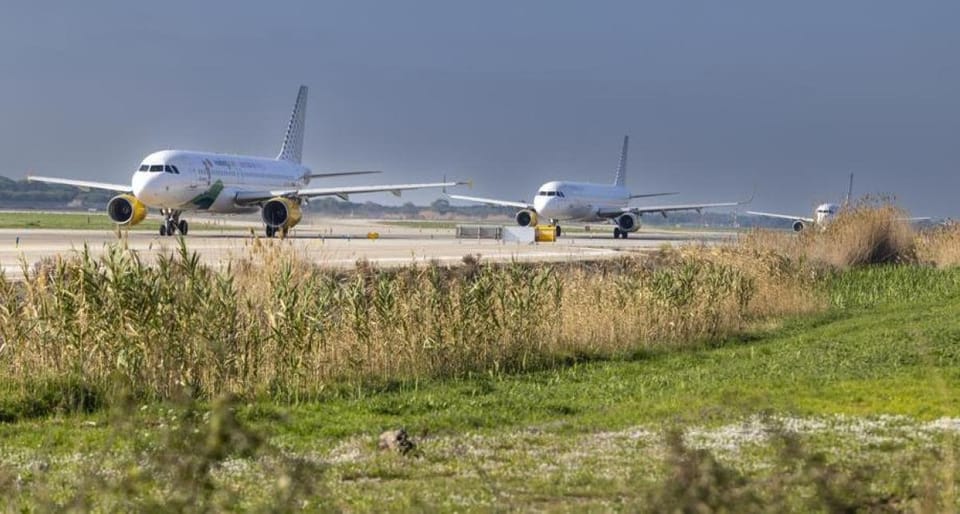
Barcelona-El Prat Airport is set to offer a record 62 intercontinental flight connections in 2026, three more than in 2025. The new routes will link Barcelona with Seattle, Lima and El Salvador, even as geopolitical uncertainty continues to affect parts of the global aviation market.
The airport director, Eva Valenzuela, announced the figures during the presentation of the new strategic plan for the Barcelona Air Route Development Committee, known as CDRA, on Monday. She said growth for 2026 is expected to be “stable and consolidated”, with the international market showing “certain resilience” despite the conflict in the Middle East.
The new services will be operated by Delta Airlines to Seattle, Level to Lima and Iberojet to El Salvador. Barcelona-El Prat currently connects to 16 destinations in North America, 11 in Latin America, 19 in Africa, 7 in Asia and 9 in the Middle East.
The airport has already passed its technical capacity limit. It handled 57.5 million travellers in 2025, including 8 million intercontinental passengers. Until April this year, it carried nearly 17.4 million passengers, up 4.1% on the same period last year, according to the latest available data.
The CDRA, which brings together Aena, the Generalitat de Catalunya, the Ajuntament de Barcelona and the Barcelona Chamber of Commerce, says El Prat still has room to add more long-haul routes. It points to strong indirect demand between Barcelona and destinations in Asia, Latin America and the United States, with almost 5.3 million people travelling via layovers.
International air links are also being reshaped by wider global shifts. The article says major hubs in the Persian Gulf have not yet fully recovered normal activity levels, while Asian airlines are looking to increase direct routes with European cities. Taiwan’s Starlux airline has said it intends to start flights to Barcelona from 2027. For more on the airport’s long-term plans, see our coverage of El Prat expansion and the wider community impact.
The CDRA also warned that high geopolitical volatility, rising jet fuel prices and a possible kerosene shortage remain risks for airlines. It said leading airlines do not expect major fuel supply problems for the summer season, following European Commission authorisation allowing companies to buy a specific type of fuel from the United States. Barcelona’s airport is expected to face years of works in Terminals 1 and 2 before a larger expansion, which the article says could take around ten years if plans stay on track.