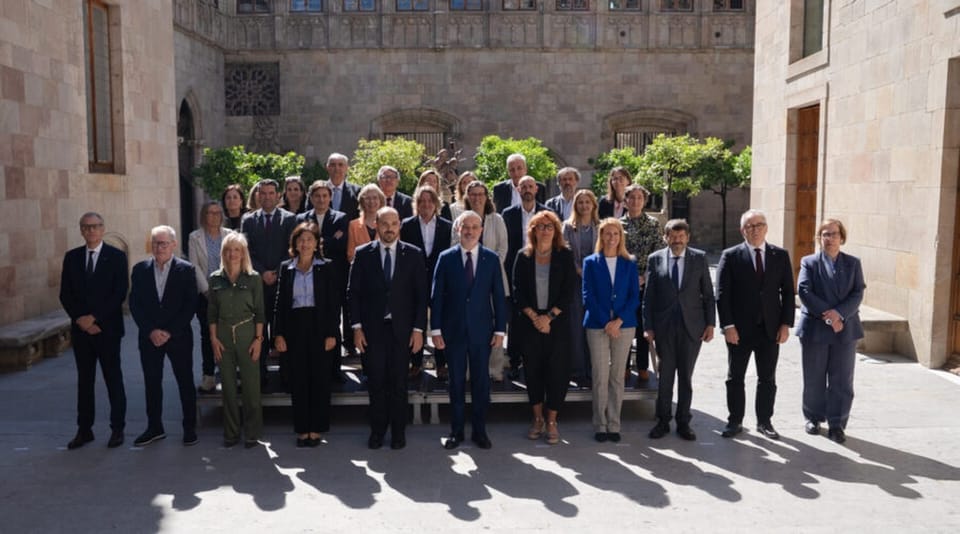
Barcelona City Council and the Generalitat de Catalunya have agreed a historic €415 million investment. This will regenerate the Besòs i el Maresme neighbourhood in the Sant Martí district over the next decade. This significant programme aims to rehabilitate housing and enhance safety for the area's 25,000 residents.
The agreement, reached during a Bilateral Commission meeting, addresses structural deficiencies in many buildings. The Municipal Urban Planning Institute detected these issues. These structures were constructed during the 1950s and 1960s. Officials expect the programme to impact up to 4,000 homes across 200 blocks. Barcelona Mayor Jaume Collboni celebrated the agreement, stating it delivers "concrete results affecting the daily lives of Barcelona residents." He added that the goal is "to guarantee the right to remain in the city."
Mayor Collboni highlighted the scale of this project. "Barcelona has not seen an urban regeneration project of this scale in 20 years," he noted. A pilot scheme is currently developing actions in nine buildings. These buildings contain 192 homes. Both administrations consider it necessary to expand these interventions significantly. The Generalitat will contribute €15 million annually for ten years, totalling €150 million. The City Council will allocate €265 million over the project's duration.
New Company to Drive Regeneration
To oversee and coordinate all actions, a new public limited company will be established before the end of the year. Barcelona City Council will hold a majority stake in this new entity. Mayor Collboni emphasised that this structure will allow for greater "agility, flexibility, and speed because we have too much delay." He also stated that it frees up City Council resources. This will allow for improvements and rehabilitation in other neighbourhoods, including Trinitat Vella and La Pau. Minister of the Presidency Albert Dalmau described the agreement as a "country operation." He said it addresses "a historic debt" with the transformation of Barcelona's Besòs neighbourhoods. The aim is to ensure a dignified life for all residents.
Addressing Safety Concerns
Both Mayor Collboni and Minister Dalmau also addressed recent security incidents in the metropolitan area. Mayor Collboni pointed to substantially improved coordination between police forces. He noted a reduction in crime over the past two years, particularly concerning repeat offenders. He valued the return to crime figures from ten years ago. Mayor Collboni also mentioned the upcoming update to the Penal Code. "We work to improve effectiveness and to eradicate the feeling of impunity," he said, adding, "criminals should know that those who commit crimes will pay." Minister Dalmau echoed this sentiment, sending a message of "zero tolerance against crime and violence." He stated, "People who commit crimes in Catalonia must know that we will act forcefully."
Police Expansion and Legal Reforms
The Generalitat has implemented several measures to further reduce crime. These include expanding the Mossos d'Esquadra police force by over 5,000 agents in the next five years. They also plan to incorporate 250 new judicial units across Catalonia. Additionally, the government is modifying regulations, such as strengthening the Penal Code regarding repeat offending. The two administrations also committed to joint progress in social rights, education, and language policy. Specifically, the City Council will support the Generalitat's CURA Plan, launched in April. This plan aims to streamline dependency procedures and reduce waiting lists.
The creation of the new governance body and the substantial financial commitment mark a significant step forward for urban development in Barcelona. This long-term programme seeks to improve living conditions and security for thousands of residents. It also sets a precedent for future large-scale regeneration efforts across the city.
Come and join our Barcelona English Speakers community on WhatsApp.
Originally published by Barcelona City Council Press Room. Read original article.