Barcelona recorded 921 reported bicycle thefts in 2024, a 20% decrease from the previous year. However, a new report highlights that two-thirds of these incidents go unreported, raising significant concerns about cycling safety in the city.
This underreporting stems from a "generalised perception of impunity," according to a study by Bicicleta Club de Catalunya (BACC) and the City Lab research team at the Institut de Ciències i Tecnologies Ambientals (ICTA-UAB). Many victims feel reporting a theft will not lead to recovery or justice. The study reveals that four out of ten regular cyclists in Barcelona have experienced bicycle theft, a high figure impacting daily commutes and leisure rides. Despite the official drop in reported cases, the true scale of the problem remains much larger. Catalan police data shows 1,167 bicycles stolen in 2023 and slightly over 1,000 in 2022. The pandemic year of 2020 saw a low of 870 thefts, coinciding with significantly reduced movement across the city.
The primary issue behind these thefts is a lack of secure parking, states Adrià Arenas, a spokesperson for the BACC. "The City Council has not yet presented any plan this legislature to encourage cycling or enable new secure parking spaces," Mr Arenas lamented. He pointed to the BiciBox system, closed parking spaces for bicycles managed by the Barcelona Metropolitan Area, as a successful model for secure storage. These BiciBox units offer a protected environment, contrasting sharply with the vulnerability of street parking.
Underreported Crime and Its Impact
The BACC and ICTA-UAB report indicates that the 921 reported thefts do not include cases where victims could not provide a frame number or other identifying marks. Police classify these as "unmarked" and do not add them to traceability lists, effectively losing them from official statistics. This data gap further obscures the true number of bicycle thefts in Barcelona. The problem significantly discourages residents from using bicycles as a sustainable and healthy mode of transport. An earlier study found that 17% of theft victims in Barcelona did not buy a new bicycle afterwards, directly impacting the city's cycling culture and environmental goals.
Theft Hotspots and Methods
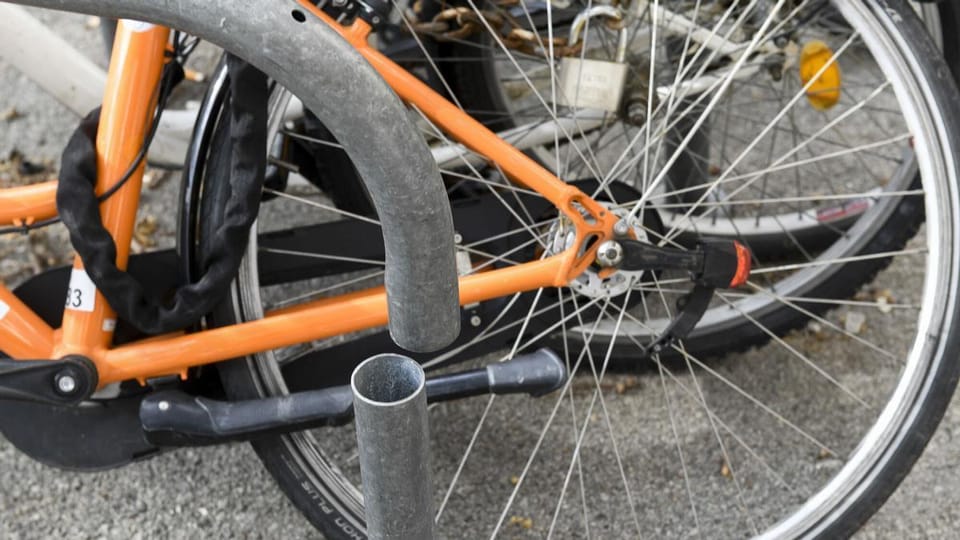
Thefts concentrate heavily in the districts of Sant Martí, Eixample, and Ciutat Vella. Sant Martí includes areas like Poblenou and Diagonal Mar, while the Eixample is a densely populated central district. Ciutat Vella, the historic old town, attracts many tourists. These areas experience high tourist and leisure activity, making them attractive targets for thieves due to the increased presence of bicycles. Most incidents, 60%, occur on public roads, often in plain sight. Another 20% happen in private or public car parks, with the remaining 20% inside homes, offices, or communal areas. This confirms that public street parking is the least secure option for bicycles, despite its widespread use. Thieves often target bicycles secured to U-inverted anchors, which account for four out of ten stolen bikes. A similar number are taken from urban furniture, such as signs, fences, trees, or railings, highlighting the need for purpose-built, secure infrastructure.
Seasonal and Daily Patterns
The study also identified specific patterns in bicycle thefts across the year and day. More thefts occur between January and March, perhaps linked to post-holiday purchases or increased regular commuting. Conversely, the main holiday months of July to September and December see significantly fewer incidents, possibly due to fewer people commuting or being away from the city. Thieves also appear to take a break at night. The peak time for thefts is between 18:00 and 22:00, coinciding with high public activity and people leaving work or leisure activities.
Addressing the Parking Shortage
Barcelona currently offers approximately 39,000 U-inverted public street parking spaces. These are the most common type of bicycle parking in the city. However, the BACC and ICTA-UAB study highlights an insufficient supply in important areas like residential zones, workplaces, and public transport stations. The report also points out significant territorial imbalances in parking availability, meaning some neighbourhoods have far fewer options than others. This shortage of safe, accessible parking options remains a critical barrier to increasing bicycle use and ensuring cyclists feel secure in the city.
Future Actions Against Theft
The BACC and ICTA-UAB will present their detailed findings at a meeting of the Bicycle Theft Coordination Space on Thursday. This important group brings together key stakeholders: the City Council, the Catalan government, the Guardia Urbana, Catalan police, and various cycling organisations. Their collective priorities include improving data collection methods, integrating online resale platforms to track stolen goods, promoting secure parking solutions, developing GPS tracking pilot projects, and launching public awareness campaigns. One ongoing initiative is Biciregistro, a public bicycle registration system designed to help identify and recover stolen bikes more effectively. This collaborative effort aims to make Barcelona a safer city for cyclists.
Sign up for our new entrepreneurs community Bizcelona, now accepting our second wave of applicants.
Originally published by El Periódico Barcelona. Read original article.