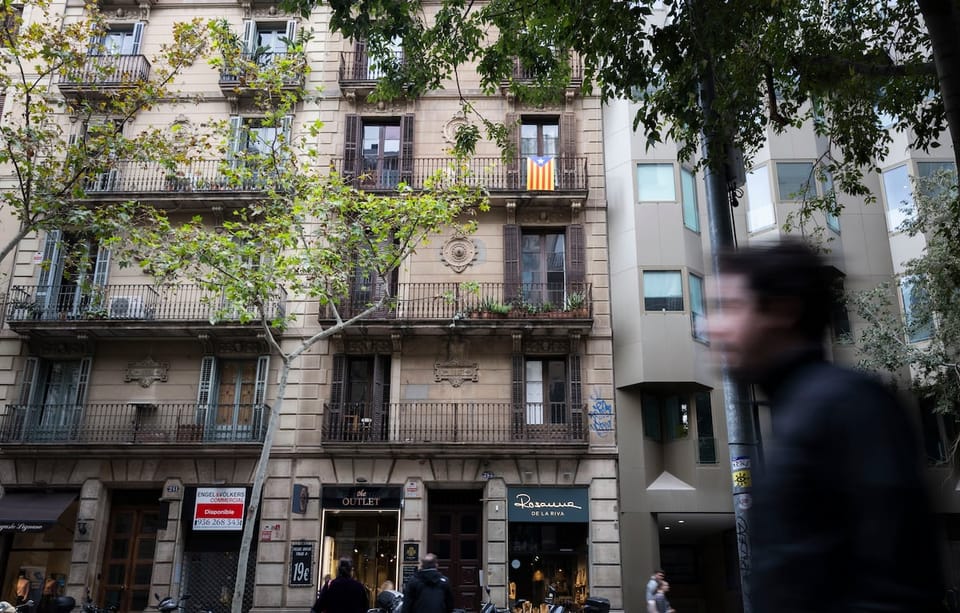
Barcelona has seen a 31% fall in whole-building residential sales between 2024 and 2025, according to data released by the City Council. The number of properties sold dropped from 217 to 149, a clear shift in the city’s property market.
City officials say the decline is linked to housing regulations designed to protect tenants and reduce speculative buying. The council receives data on these transactions because it holds a preferential purchase option, known as tanteo y retracto, for these assets. Most offers it sees are in Eixample, Ciutat Vella and Sant Martí, while fewer come from Sant Andreu, Les Corts and Nou Barris.
Housing commissioner Joan Ramon Riera welcomed the fall in these deals. He said that since rental prices were regulated under the Housing Law, and later seasonal rentals and co-living spaces were also regulated, the scope for investor profit has become smaller. He added that speculative demand is easing, while residential demand remains.
The purchase of whole buildings can lead to long-term tenants being pushed out. New owners may choose not to renew contracts, then renovate flats for higher rents, convert them into co-living spaces, or sell them on. Co-living rooms can cost up to €1,000 a month, and tenants’ unions have highlighted several high-profile cases across the city.
Those cases include community campaigns around Casa Orsola, a block on Sant Agustí street in Gràcia linked to eviction attempts against tenant Txema Escorsa, and the modernist Bloc Papallona, where residents have reported heritage damage by landlords. Other affected buildings include one on Mallorca street, where buyers split the flats among three companies on the day of purchase, plus properties tied to elderly care homes in Eixample and blocks from Poble Sec to Sarrià.
In parallel, the Barcelona City Council published the Metropolitan Housing Observatory’s semi-annual report on Monday. The report looks at the impact of rental regulation in Barcelona, the first major Spanish city to cap rental prices. Carles Donat, co-director of the OHB, said the analysis covers price behaviour, the rental housing stock and seasonal rental trends, using data from the Incasòl deposit registry.
Donat said new rental contracts fell sharply when regulation began, partly because longer contract terms took longer to expire. He also said owners have less incentive to change tenants when prices are capped, so they keep existing ones. The rental housing stock, which stands at about 230,000 flats, grew by 1,374 units during the period. Average prices for new contracts fell from €1,193 to €1,161 a month, a 2.7% drop, although prices rose in the last two quarters and the price per square metre also increased.
The report also found a 53% drop in new seasonal rental contracts in one quarter, from the third to the fourth quarter of 2025, to 1,282 contracts. Officials say that figure should be treated with caution because it covers only one quarter and the administration does not know how many seasonal contracts are registered with Incasòl. The council says it will keep monitoring the market as the rules continue to shape housing in Barcelona. For more local coverage, see our sport and community pages.
Originally published by El País Barcelona. Read original article