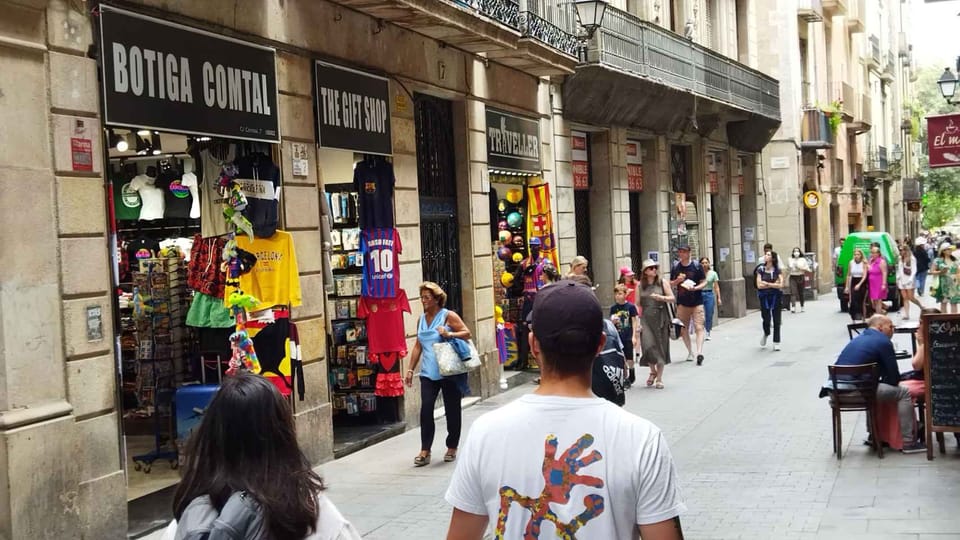
Barcelona City Council announced a new urban plan for Ciutat Vella on Friday, 15 May, to strictly limit new stores selling marijuana products and nail salons. This measure aims to protect traditional commerce and improve resident coexistence in the city's central district.
Albert Batlle, Third Deputy Mayor and Ciutat Vella Councillor, presented the new Ciutat Vella Urban Plan. He stated the document represents a significant step in commercial control. The plan triples the number of regulated activities, increasing them from 55 to 180. This expansion will drastically condition the opening of businesses with high visual impact and low value for residents. These include nail and pedicure salons and mobile phone case shops.
Councillor Batlle described the measure as "continuist" but with a "much more agile, precise, and surgical" regulatory model. He added, "The council will apply close monitoring to activities generating the greatest negative impact on resident coexistence and public space saturation." This protects the identity of the district's neighbourhoods, which include the Gòtic, Raval, and Barceloneta.
Curbing Proliferation in Ciutat Vella
The Ciutat Vella district, home to over 100,000 residents, faces unique challenges due to its status as a major tourist hub. Areas like La Rambla and the Gòtic neighbourhood have seen a rapid increase in businesses catering primarily to visitors. These often displace traditional shops and services essential for daily life. The new plan specifically targets these establishments, aiming to rebalance the commercial offerings. It seeks to ensure the district serves its residents first.
Barcelona City Council's Head of Urban Planning, David Martínez, Ciutat Vella Manager Fèlix Ortega, and Commissioner for the Ciutat Vella Pact, Ivan Pera, joined Councillor Batlle for the announcement. They highlighted the need to preserve the unique character of these historic areas. The proliferation of "grow shops" and similar businesses has raised concerns about public image and safety. This plan directly addresses those concerns.
Boosting Culture, Not Nightlife
Alongside these commercial limitations, the new regulation encourages artistic revitalisation. It prioritises cultural and musical uses in the city centre. This aims to foster a more diverse and enriching environment for both residents and visitors. The council hopes to see more theatres, art galleries, and music venues open.
However, the municipal government clarified that this cultural flexibility does not permit unrestricted nightlife. Councillor Batlle emphasised the plan will not allow new nightclubs to open freely. Instead, it will exclusively support artistic and cultural activities the city wishes to see thrive. This distinction aims to foster a vibrant cultural scene without increasing noise or public disturbance, which often accompanies late-night venues.
Political Backing and Opposition
The Ciutat Vella Urban Plan has strong political backing for its final approval. The municipal group Junts has already pledged support for Mayor Jaume Collboni's proposal. This ensures the plan will pass its initial vote next Tuesday in the Urban Planning Commission. Final ratification is expected at the municipal plenary session later this month. This broad support suggests a consensus on the need for stricter commercial regulation in the district.
Junts Councillor Damià Calvet defended the plan, stating it has "broad social and political majority." He believes its modifications will improve coexistence and neighbourhood life. Calvet noted support from groups like Friends of La Rambla, the Plaça Reial Association, and the Gòtic Neighbourhood Association. These local entities represent significant community interests within Ciutat Vella.
However, two major entities, the Federation of Barcelona Neighbourhood Associations (FAVB) and the Confederation of Neighbourhood Associations of Catalonia (CONFAVC), oppose the plan. Their opposition highlights ongoing debates about the best approach to urban planning and resident welfare.
Councillor Calvet highlighted an important new provision proposed by Junts and accepted by the council. All "low-value" businesses established before the licence suspension must accredit their conditions within 18 months. Failure to do so will result in sanctions and potential closure. This significantly increases the capacity for inspection, sanction, and closure of activities, providing a stronger enforcement mechanism for the new rules.
The new Ciutat Vella Urban Plan represents a significant effort to shape the district's commercial future. It balances economic activity with resident quality of life. Its implementation will redefine the streetscape of Barcelona's historic heart, aiming for a more sustainable and resident-focused urban environment.
Come and join our Barcelona English Speakers community on WhatsApp.
Originally published by Metrópoli Abierta - Urban Life. Read original article.