

The Barcelona Gothic Quarter is the historic anchor of the world’s favourite tourist destination for 2025. Consequently, millions of visitors are drawn to its coast. However, the true essence of the Catalan capital lies in its oldest stones. The Barri Gòtic serves as the city’s historical core, preserving a legacy that spans four millennia.
Walking through this district means navigating a timeline stretching back to the Neolithic period. Therefore, the area is a dense network of streets where Roman ruins stand alongside medieval palaces. This creates an urban tapestry that few modern cities can match. According to local reports, this rich heritage concentration is a key factor in the city’s enduring global appeal.
Your browser does not support the video tag.
Home » Barcelona Gothic Quarter: Exploring the City’s Historic Roman Core
Roman Foundations in the Barcelona Gothic Quarter
The origins of the Barcelona Gothic Quarter date back to the 1st century BC. At that time, the Romans established the settlement of Barcino on Mount Tàber. This small hill remains the geographical and historical centre of the old city. Visitors can still identify clear traces of this imperial past today. For example, preserved sections of the original defensive walls and the ancient columns of the Temple of Augustus are visible.
These Roman foundations dictated the layout of many streets that residents and tourists walk today. Moreover, the district is not a single uniform block. Instead, it is a collection of distinct historic neighbourhoods, including El Call, Sant Just i Pastor, and Santa Maria del Pi. Each area retains a unique character while contributing to the broader identity of the Ciutat Vella district.
Medieval Power in the Barcelona Gothic Quarter
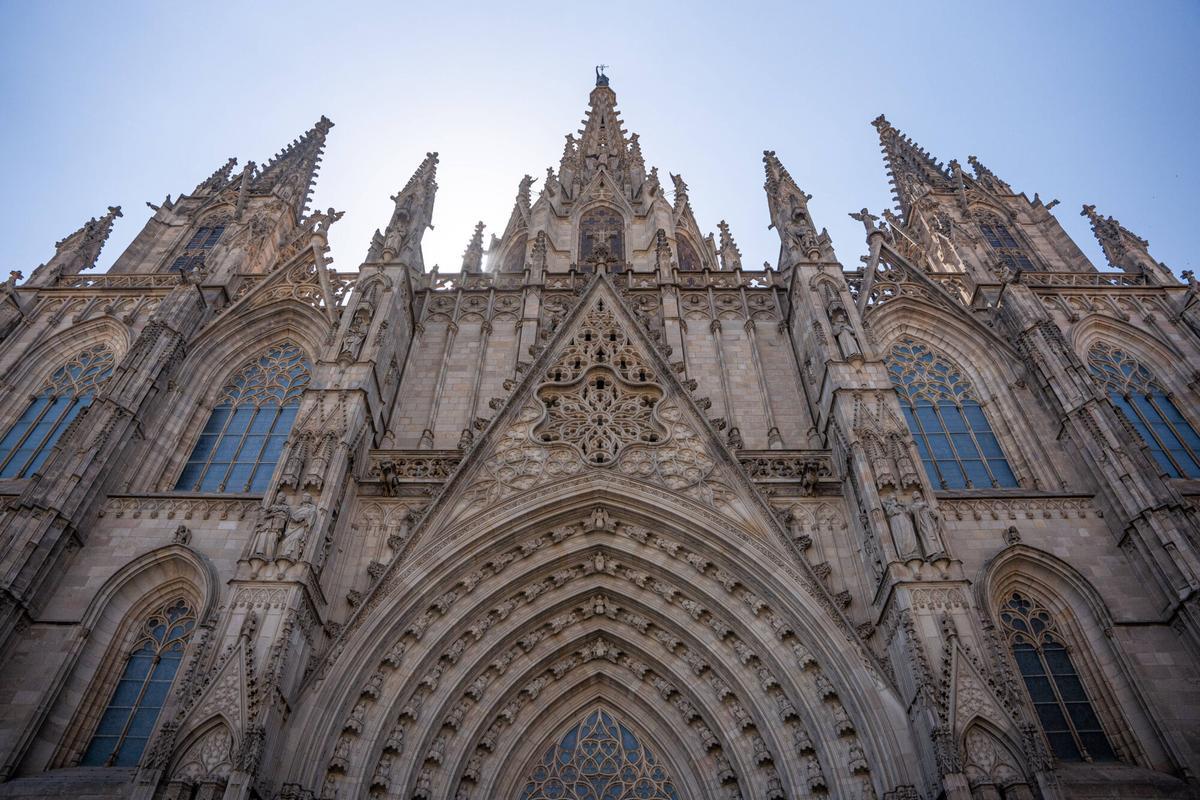
The medieval city grew directly upon the Roman base. This created the narrow, winding alleys that define the quarter today. Many streets still bear names from this era, such as Carrer del Bisbe, named for the Bishop’s residence. The most prominent symbol of this period is the Cathedral of Santa Eulàlia, often simply called Barcelona Cathedral.
Builders constructed the current cathedral between the 13th and 15th centuries. However, the site has been sacred for much longer. The Gothic structure sits atop an earlier Romanesque cathedral. This earlier cathedral replaced a church from the Visigothic period and a Paleo-Christian basilica before that. Archaeologists have uncovered remains of these earlier structures beneath the City History Museum.
Nearby, the Plaça del Rei served as the medieval city’s seat of power. The Palau Reial Major, built in the 9th century, dominated this square. It acted as the residence for the Catalan counts from the 13th to the early 15th century. The palace’s Saló del Tinell remains a highlight for architecture enthusiasts. It features a succession of grand round arches that now host exhibitions.
Historical Layers of the Barcelona Gothic Quarter
The Barcelona Gothic Quarter is more than a museum exhibit. It is a physical record of the city’s social and political evolution. Spaces like Plaça Sant Felip Neri and Plaça Sant Jaume have witnessed centuries of upheaval and celebration. While these squares form the medieval heart, exploring the history of Plaza del Cinc d’Oros reveals a different chapter in the city’s urban development. In addition, the Barri Gòtic sits alongside other early medieval expansions such as El Born and El Raval. These areas complete the historic footprint of the old city.
This deep layering of eras—from Roman Barcino to the height of medieval Catalan power—provides the context for Barcelona’s modern success. Therefore, the preservation of these 4,000 years of history ensures that even as the city tops global tourism rankings, its ancient heart remains visible to those who know where to look. For further reading on Barcelona’s history, visit the Barcelona City History Museum website.
Get all of the news delivered to your phone via our WhatsApp Broadcast Channel .
