

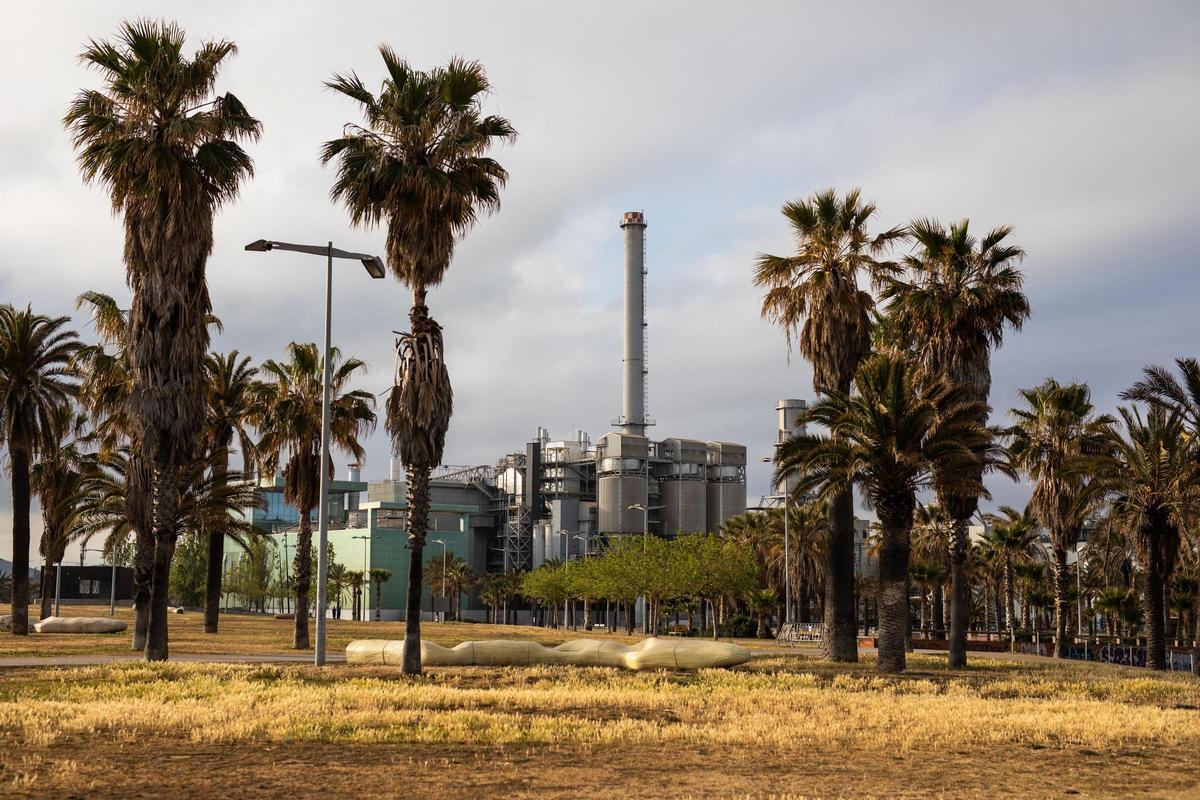
The High Court of Justice of Catalonia (TSJC) has validated Barcelona’s Low Emission Zone (ZBE). Consequently, the court rejected a series of legal challenges that sought to blame the city’s air quality issues on the Tersa waste incinerator rather than private traffic.
In two recent rulings reported by El Periódico, the court dismissed arguments brought forward by the Barcelona Garage Owners’ Guild (Gremi de Tallers) and the Platform for Those Affected by Traffic Restrictions. The appellants had argued that the restrictions on older vehicles were disproportionate. They claimed that industrial plants—specifically the Tersa facility in Sant Adrià de Besòs—were the true drivers of pollution in the Catalan capital.
Your browser does not support the video tag.
Home » Barcelona Low Emission Zone Upheld as Court Rejects Incinerator Defence
The ‘Tersa Defence’ Against the Barcelona Low Emission Zone
As the criminal investigation into alleged environmental crimes at the Tersa plant heads towards trial, critics of the ZBE have attempted to use the scandal as leverage to overturn traffic restrictions. The logic presented to the court was straightforward: if the incinerator is spewing unchecked pollutants, banning cars without environmental labels is an unfair and ineffective solution.
The appellants argued that the pollution attributed to traffic—specifically nitrogen dioxide levels—was artificially inflated because it included emissions from the waste plant. The Garage Owners’ Guild highlighted that Tersa is currently under judicial investigation regarding the use of an allegedly uncertified algorithm to measure combustion temperatures. They suggested that this potential fraud meant the incinerator was “not providing real results to the administration,” thereby distorting the data used to justify the ZBE.
Similarly, the Platform for Those Affected by Traffic Restrictions listed the incinerator alongside the port, airport, and the Zona Franca industrial estate as the primary sources of environmental damage. They contended that restricting private vehicles was “not proportional.” They argued that permitted cars might pollute as much as the banned ones when the broader industrial context is ignored.
Judicial Rejection of the Incinerator Argument
Despite the severity of the allegations against Tersa, the TSJC judges remained unswayed regarding the traffic ordinance. The court ruled that the situation at the incinerator was not a sufficient argument “to invalidate and question the ZBE.”
A key factor in the dismissal was jurisdictional. The magistrates noted that the Tersa plant is located in Sant Adrià de Besòs, just across the border from Barcelona proper. Consequently, the court stated that the incinerator is “an issue that is not appropriate to address here, exceeding also the territorial competence of the city council.”
Effectively, the court determined that the potential criminal mismanagement of a waste plant does not negate the City Council’s authority to regulate traffic to improve air quality within its own borders.
Criminal Investigation Continues
While the ZBE remains in force, the legal troubles for Tersa—a public company 58% owned by the Barcelona City Council—are far from over. The facility burns over 300,000 tonnes of waste annually and is facing a criminal trial over alleged pollution.
The Public Prosecutor and the environmental group Airenet are seeking a four-year prison sentence for the plant’s former operations manager. They argue that the facility’s operations may have posed a serious risk to public health. However, Tersa maintains that it has always complied with emission limits. The company states that the judicial debate is now confined to technical disagreements over combustion processes.
Join Barcelona English Speakers WhatsApp Community .
<!– link-enriched:v2 –>
Related: .
Service info: .
