

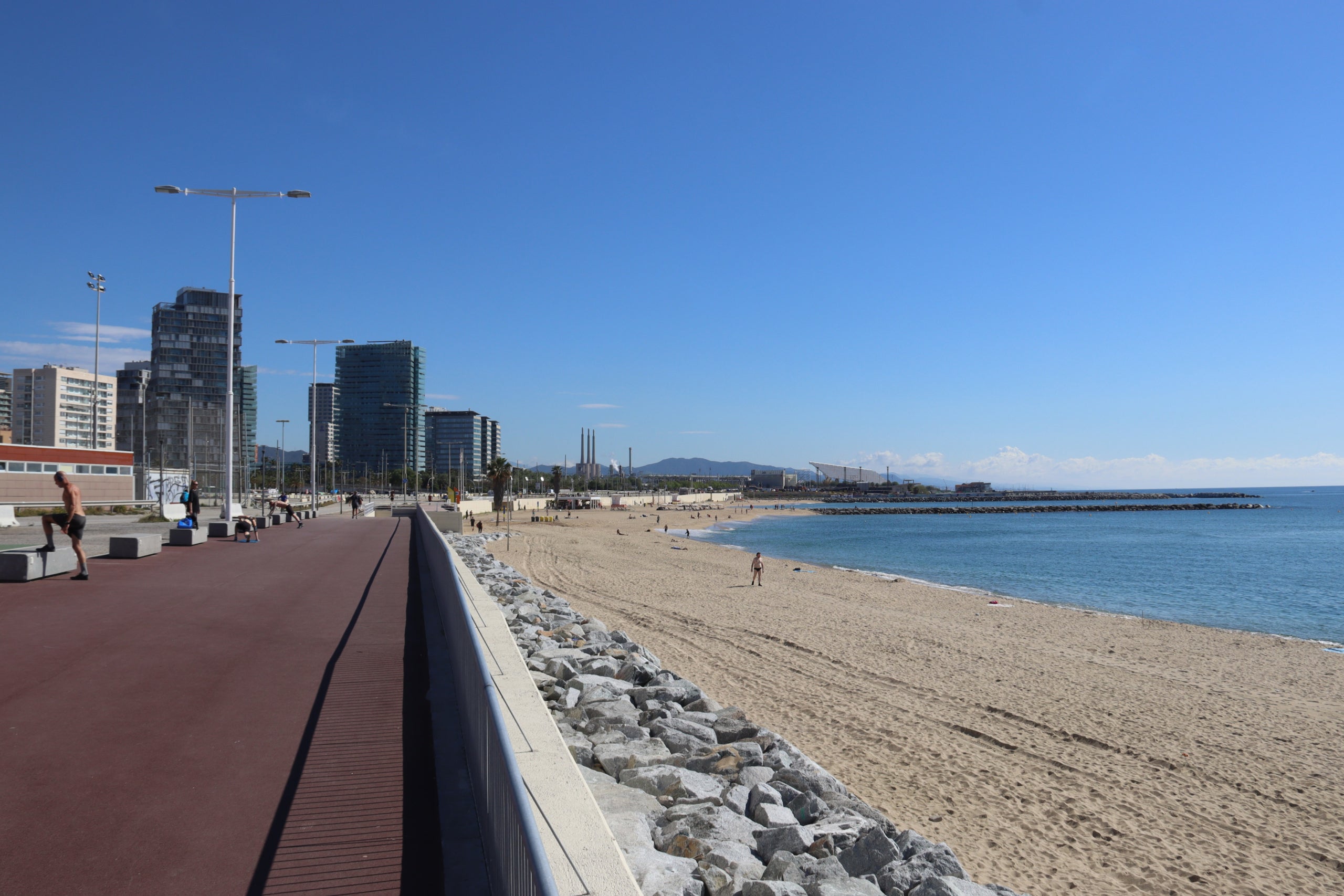
Barcelona’s Mayor, Jaume Collboni, has unveiled a comprehensive plan to urbanise the city’s final stretch of undeveloped coastline. The project targets the Barcelona marine platform (plataforma marina), a 12.7-hectare expanse located near the Fòrum, where the Rambla de Prim meets the sea. However, the €52 million proposal has immediately drawn sharp criticism from local residents and opposition parties. They fear the area will become little more than an extension of the event-heavy Fòrum complex.
From Failed Zoo to Future Event Hub
The site has a troubled history of unfulfilled promises. At the turn of the century, the City Council designated the area for a grand “Marine Zoo,” a project intended for completion by 2004. Despite foundations being laid in 2007 under Mayor Jordi Hereu, the plan was abandoned four years later amidst the economic crisis.
Your browser does not support the video tag.
Home » Barcelona Marine Platform: Mayor Collboni’s €52m Coastal Plan Sparks Controversy
Mayor Collboni’s new administration is now looking to revive the space. The proposed development aims to connect the Rambla de Prim to the waterfront—a long-standing neighbourhood demand. In addition, it incorporates a large, open central space designed to host sports, cultural activities, and large-format events.
According to the proposal, the site could host major festivals such as Primavera Sound, Cruïlla, and the Fira d’Abril, which currently take place in the adjacent Fòrum area. Furthermore, the plan includes relocating the Poblenou-Agapito Fernández football pitch to this new zone. If approved, construction would take an estimated five to six years.
Residents Fear a “Fòrum 2.0” for the Barcelona Marine Platform
While the administration touts the project as a necessary completion of the city’s seafront, local community groups have reacted with fury. A coalition of neighbourhood associations—including Maresme, Poblenou, Front Marítim, and SOS Besòs—alongside the Federation of Neighbourhood Associations of Barcelona (FAVB), claim the design prioritises private interests over public wellbeing.
Critics argue that creating a space specifically for mass gatherings will effectively double the capacity of the Fòrum. Consequently, this would exacerbate existing issues regarding noise, mobility, and overcrowding. Residents have long campaigned for a green park focused on vegetation and local leisure rather than another concrete expanse for international festivals.
“It does not respond to participation criteria and favours the interests of international investment funds,” the associations stated. They warned that the design is “incompatible” with a true public park.
Political Backlash Over the Marine Platform Plan
The proposal has faced a frosty reception from much of the political opposition. Jordi Martí Galbis of Junts per Barcelona dismissed the announcement as part of Collboni’s “fictional Barcelona.” He characterised it with “renders, pretty drawings, and impossible calendars” rather than solutions to pressing issues like housing and security.
“We will not accept that Collboni continues governing with his back to the citizens,” Martí Galbis added, criticising the lack of consensus.
Barcelona en Comú, led by former mayor Ada Colau’s party, echoed the residents’ concerns. Councillor Tània Corrons warned that the space risks being privatised for large events. Therefore, it would intensify the “noise, mobility, and coexistence problems that the neighbourhood already has with the Fòrum.” They advocate for the greener, community-focused promenade originally proposed during Janet Sanz’s tenure in the urban planning department.
The Republican Left (ERC) expressed scepticism regarding the timing and lack of public consultation. “We are surprised that a project of this magnitude has been announced without any prior neighbourhood participation process,” ERC sources noted. They emphasised that any development must balance city-wide use with residents’ quality of life.
Meanwhile, the People’s Party (PP) welcomed the move to finally urbanise the area after “20 years of waiting” but labelled the six-year lead time as “exaggerated.” Conversely, right-wing party Vox offered support, calling the project an “evident improvement” over the current abandonment. They also criticised neighbourhood groups for opposing economic revitalisation.
Join Barcelona English Speakers WhatsApp Community .
