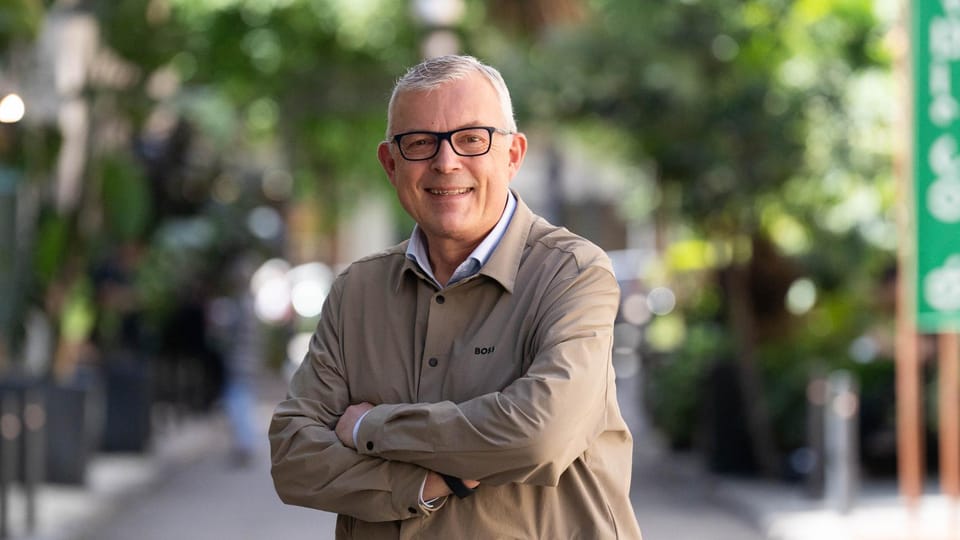
Barcelona remains a global leader in MICE tourism, and Christoph Tessmar, director of the Barcelona Convention Bureau for Turisme de Barcelona, says the city must keep pushing to stay there. The sector brings in about €1.5 billion a year for the Catalan capital and hosts around 450 congresses annually.
Tessmar said the events sector leaves a strong legacy for Barcelona, not just through spending but also through learning and talent attraction. He pointed to the city’s strength in medical congresses, where Barcelona holds the world number one spot, helped by its healthcare system, major hospitals and leading professionals.
He joined the bureau after working as a congress manager for a large pharmaceutical laboratory in Germany. Since then, he says Barcelona has built on an already strong base. The city has stayed in the global top five for MICE events since 2001, despite most of the top ten being national capitals.
That position, he said, comes down to infrastructure and teamwork. Barcelona offers quick access from the airport to Fira de Barcelona and the city centre, along with a strong hotel offer and close coordination between venues such as Fira, the Centre de Convencions Internacional de Barcelona and the Palau de Congressos de Catalunya. He also highlighted support from the city council and the Chamber of Commerce.
The Barcelona Convention Bureau is now working on 113 bids for future congresses. One of the biggest possibilities is the world’s largest space congress, which could come to Barcelona in 2029. Tessmar said that would be a different kind of event for the city, which usually hosts technology, medical and food congresses, and would help widen its offer.
He also said 2027 should be a strong year for medical congresses, with some major events returning. The bureau is developing the Barcelona Legacy Program, which aims to create long-term benefits through events by linking local groups with congress associations. He cited the World Parkinson’s Congress, where police, airport staff, hotel workers and transport operators received training to better understand Parkinson’s patients.
Tessmar also backed the expansion of Barcelona-El Prat Airport, saying more connections, especially to Asia and Latin America, would help the sector. He added that Barcelona faces strong competition from cities including Madrid, London, Paris, Amsterdam, Munich, Hamburg and Vienna, and warned that the city cannot afford to assume it will stay ahead without effort.