Barcelona City Council will install over 40 new public monuments across its ten districts in the coming years. This initiative aims to transform the city into an open-air museum.
Mayor Jaume Collboni's administration is finalising this plan. The Consell d’Art Públic is developing the project. This body includes city museums, the Institut Municipal de Cultura (ICUB), and chief architect Maria Bohigas. As Mayor Collboni and Culture Councillor Xavier Marcè explained this Friday, the council intends to make the city an open-air museum. They want art to become part of daily life for residents. This will help mitigate the constant rush of urban living.
First Tributes and Local Controversies
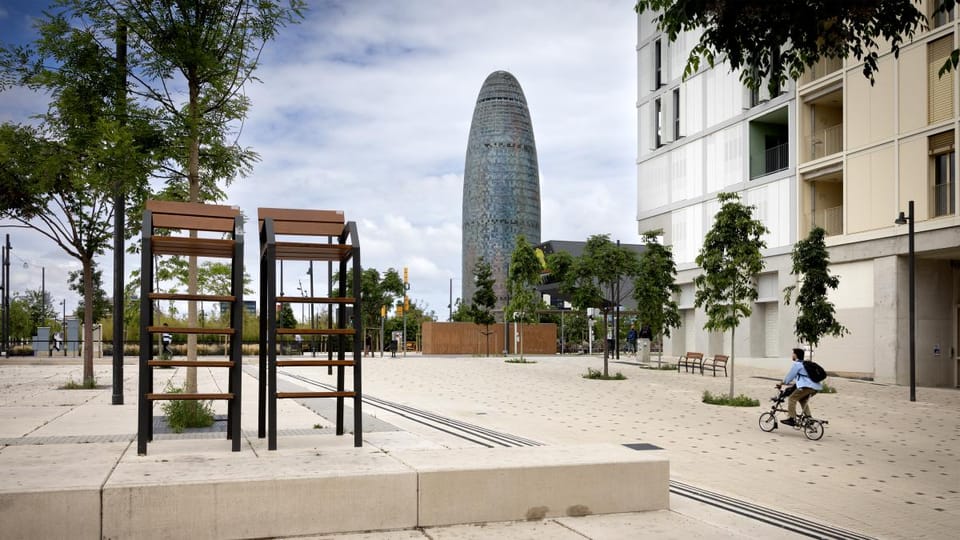
The first monuments will honour urban planner Ildefons Cerdà. This tribute will be in Plaça Universitat. Artists Montserrat Caballé and Freddie Mercury will receive a joint tribute. This will be in the renovated Plaça de les Glòries. City entrepreneurs will also get public recognition. The business association Pimec is driving this. A location in the 22@ technology district is still to be confirmed. Three established artists will create these initial works. The City Council will select them through a restricted call. Not everyone can participate.
Some of these decisions have already caused neighbourhood and political controversy. Several community groups from the Clot, Poblenou, Fort Pienc, and Sagrada Família neighbourhoods have repeatedly stated their opposition. These areas converge at Plaça de les Glòries. They do not want a monument to the soprano Montserrat Caballé. Residents acknowledge her exceptional artistry. However, they criticise her past tax issues. These neighbours insisted they preferred a monument honouring Cerdà in their streets. Admiration for Cerdà is widespread across the city. Many residents would like a monument to him near their homes. The City Council understands this recognition must occur in the Eixample district. This area is home to 260,000 residents.
Artist Selection and Budget Details
This municipal plan includes a second call for artists. This will award three more pieces. These are also due for completion by 2027. This initiative targets local and emerging artists. The Consistory will organise this competition with the city's art schools. Authors will have much freedom regarding themes, techniques, and artistic languages. However, winners must adapt to locations designated by the Consell d’Art Públic. These two calls have a combined budget of 1.5 million euros.
Meanwhile, the Consell d’Art Públic will identify the other 40 locations. The City Council will install these additional monuments in Barcelona during the next mandate. This ensures a continuous rollout of public art.
Public Art and Political Legacy
Political scientist Max Weber stated that the state holds a monopoly on the legitimate use of violence. Another key privilege of the administration is deciding what appears in public spaces. Street names, square names, and statues always show who holds power at any given time. This has always been true everywhere. For example, Barcelona's street names have seen several saints replaced by non-beatified women over time.
It is no coincidence that the most advanced project in this municipal plan honours Caballé and Mercury. This recognition celebrates Barcelona's major transformation. Socialist Mayor Pasqual Maragall led this transformation for the 1992 Olympic Games. Mayor Collboni often recalls Maragall's work when he highlights his party's legacy. The City Council also works to remove graffiti. They see graffiti as both unsightly and a protest against the system. This plan reflects a broader strategy to shape the city's identity through its public spaces.
Come and join our Barcelona English Speakers community on WhatsApp.
Originally published by La Vanguardia Barcelona. Read original article.