

The Barcelona Pla Endreça has entered its decisive final phase. Consequently, Barcelona City Council is injecting €200 million into the city’s public spaces. This comprehensive maintenance strategy prioritises mobility infrastructure, specifically the renovation of escalators and elevators in the city’s hilliest districts.
Mayor Jaume Collboni announced the package on Wednesday. He described it as the “most important investment ever made” in this specific area. This move responds directly to persistent resident complaints regarding frequent breakdowns. These failures often leave elderly and mobility-impaired citizens stranded.
Your browser does not support the video tag.
Home » Barcelona Pla Endreça: Final €200m Infrastructure Push Unveiled
Fixing Barcelona’s ‘Vertical’ Transport
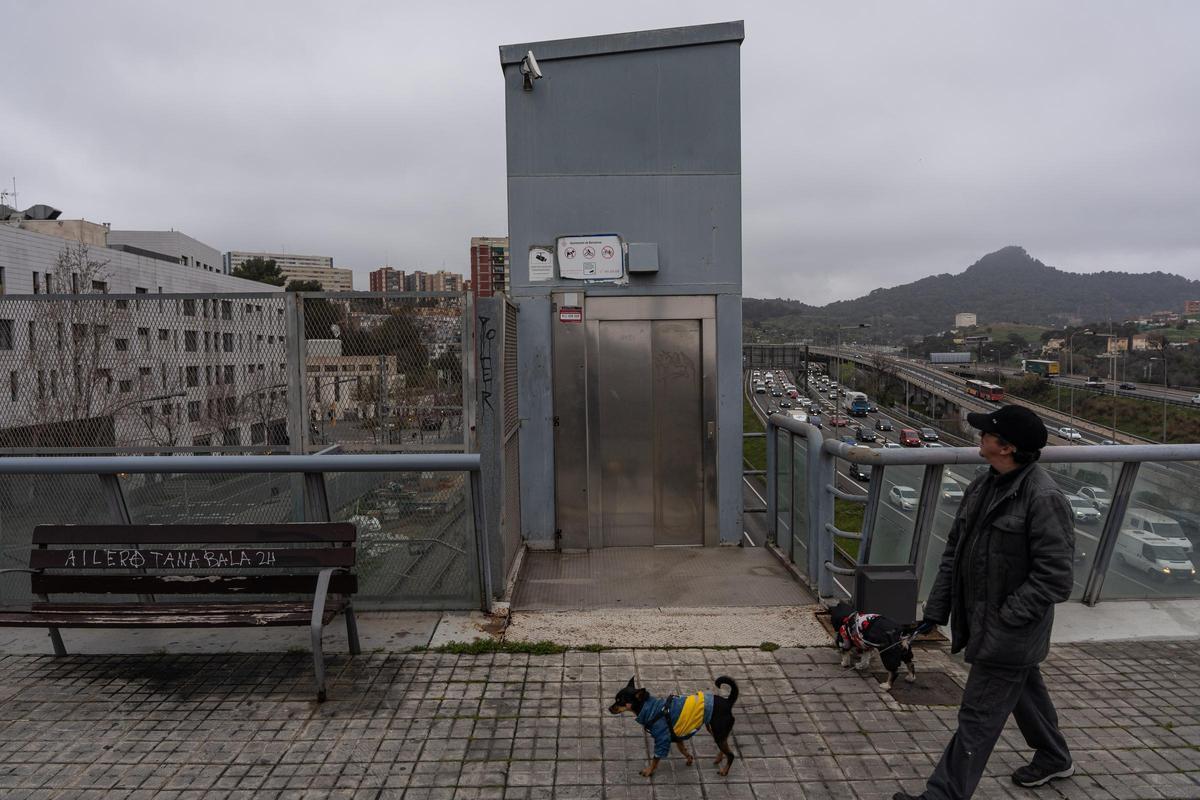
For residents in districts like Sarrià-Sant Gervasi, Horta-Guinardó, and Nou Barris, public elevators and escalators are essential transit links. Therefore, the Council has earmarked €18.4 million specifically to modernise this network.
The Barcelona Pla Endreça plan targets renovating 24 escalators and 13 elevators. Collboni established a clear operational standard: “We will conduct an ITV [technical inspection] to ensure no escalator is more than 20 years old and no elevator more than 15.”
This initiative represents a significant overhaul. It will renew 25% of all mechanical stairs and 50% of all public lifts in Barcelona. The Mayor underscored the urgency with a stark anecdote. When escalators in the Carmel neighbourhood recently failed, attendance at the local Primary Care Centre (CAP) dropped by 40%. “People couldn’t go to the doctor. This is the importance they have,” Collboni noted. Meanwhile, residents have also been dealing with recent power outages in the Guinardó district.
Preventative Maintenance and Logistics Strategy
Beyond immediate replacements, the Council is altering its maintenance contracts. The strategy includes increasing the stock of spare parts. Historically, this has been a bottleneck for quick repairs. Additionally, predictive maintenance protocols will be implemented in contracts from 2027 onwards.
Repair works are estimated to take between four and six months. Notable locations slated for upgrades include:
- Sarrià-Sant Gervasi: Carrer Claudi Sabadell and Carrer Roma.
- Horta-Guinardó (Carmel): Carrer Feijoo and Carrer Murtra.
- Nou Barris: Mina de la Ciutat.
Broad Urban Renewal Under the Pla Endreça
While vertical mobility is critical, the wider Barcelona Pla Endreça continues its sweep of general urban maintenance. The 2026 roadmap includes over 1,300 specific actions. These cover paving, lighting, parks, and signage. In addition, the push to improve the city’s physical assets comes as other parts of the public transport network show positive signs. For example, record ridership and reduced fare evasion on the metro have been reported.
A major component involves the sewerage system. Ten kilometres of piping are scheduled for renovation. This distance is equivalent to the entire length of Avinguda Diagonal. Furthermore, 36 comprehensive transformation projects will take place across 26 different neighbourhoods. Works at Plaza de Pablo Neruda near the Sagrada Família are included.
Mayor Collboni highlighted the financial scale of his administration’s commitment. The €435 million invested in public space maintenance during this mandate exceeds the combined total of the previous three terms (2011–2023), which stood at €430 million. This significant municipal spending occurs against a backdrop of chronic underinvestment in Catalan infrastructure from other government levels.
Apply to join our community of Entrepreneurs, Senior Executives and Founders at Bizcelona .
