Barcelona is at the centre of a new push by the Barcelona Provincial Council to reduce forest fire risk, after the authority launched its 30th Forest Fire Information and Surveillance Plan, known as PVI.
The plan was presented on Wednesday, 3 June, at the Can Bonastre estate in Masquefa, in the Anoia region. The council said more than 2,500 illegal waste dumps were detected in the metropolitan area last year, underlining the need for year-round prevention work, not just summer patrols. The plan is linked to the council’s wider forest fire work through the official Ecoisla 2030 site.
Jordi Fàbrega, deputy for fire prevention and forest management at the Barcelona Provincial Council, said the province faces a particular challenge because of its dense population and large forest areas. He also pointed to climate change and the Mediterranean climate as factors that make prevention more important.
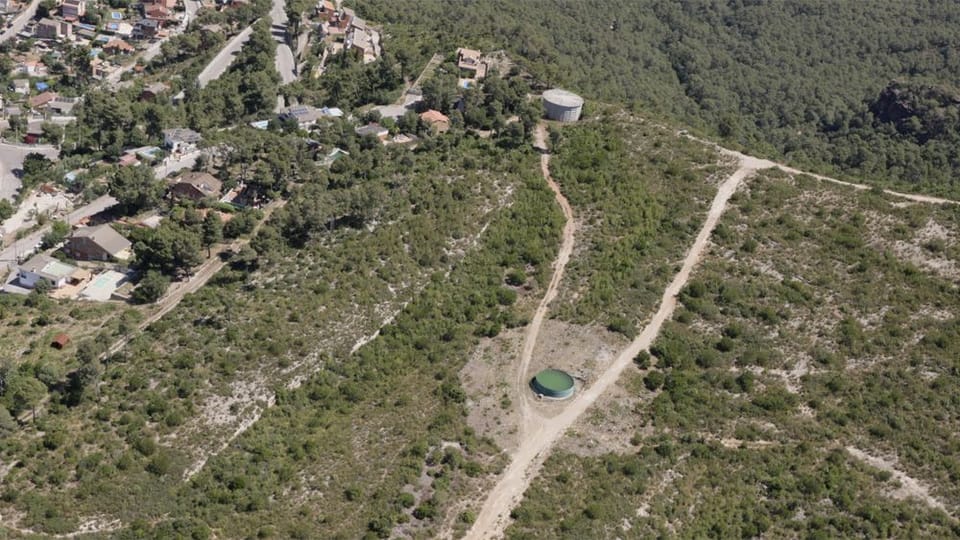
He said fires are tackled all year, mainly through forest management and preventive work, including water reservoirs, maintained paths and protection strips around urbanisations. The council said the rise in human activity in natural areas since the pandemic has also increased pressure, including illegal dumping. For more on local coverage around this issue, see our Community and Sport pages.
The summer campaign will run from 17 June to 31 August, with the Information and Awareness Plan for the Population on Forest Fires, or PICFOR, as its core operation. Eighty-nine professionals will work across 621,039 hectares of agroforestry land, which the council says represents 99% of the vulnerable areas in the province. They will work between 13:00 and 20:00, when risk and visitor numbers are highest.
The deployment is split into three sectors, North, Centre and South, covering areas including Vallès Occidental, Vallès Oriental, Maresme, Berguedà, Bages, Anoia, Alt Penedès, Garraf and Baix Llobregat. The council also said the distribution of units has been reconfigured this year to reflect municipal risk levels linked to the African swine fever alert, in coordination with other administrations. A team of five engineers will be on call from May to September to support councils during major fires.
The PVI has been running for 30 years, starting as a pilot in Alt Penedès in 1996. For 2026, it will work with 285 beneficiary councils and 129 Forest Defence Groups, or ADFs. Its budget is 1,809,000 euros, supporting civic agents, ADFs and their federations, waste removal, surveillance tasks and the video surveillance network.