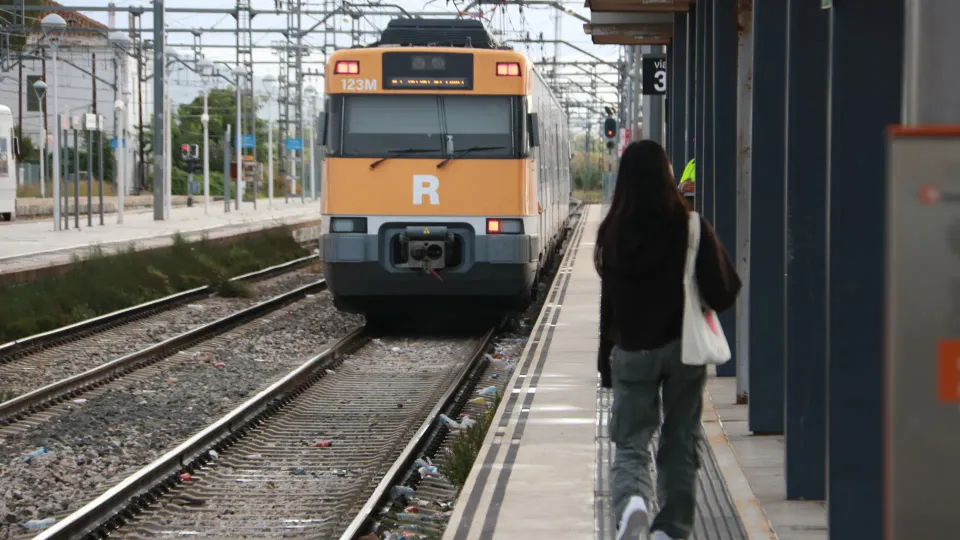
Barcelona’s Rodalies network has recovered 99% of its pre-crisis service, four months after the fatal accident in Gelida. Catalan transport minister Sílvia Paneque said the system is now in a different phase, with the focus shifting from emergency recovery to reliability and punctuality for passengers.
Paneque also rejected a request from the R11 user platform for free Rodalies tickets. She said that 100% fare discounts were used during what she described as a total system crisis, when service capacity sometimes fell below 40%.
Passenger numbers suggest the network is moving back towards normal use, with 9.2 million travellers recorded in March. The government says the recovery has come after extensive work on infrastructure and service restoration across the Barcelona area and wider Catalonia.
The Gelida accident, in Barcelona province, killed a trainee driver and triggered temporary speed limits across the 1,119.61-kilometre network. Secretary of State for Transport José Antonio Santano had initially said those limits would be removed by April, but a further review found what he called a thousand urgent incidents, pushing the timeline to June.
The Spanish government says it has put €186 million into Rodalies improvements over the past four months. That includes €170 million from Adif for emergency works and maintenance, €13 million from Renfe, and €3 million from the General Directorate of Roads to secure the AP-7 motorway section affected by the accident. For background on the network, see our community coverage and sport updates when travel disruption affects match days.
Even with most speed limits lifted, delays have continued to hit Barcelona commuters. Recent problems included more than 30-minute delays on the R2 Nord and R11 lines, cable theft, vandalism on the catenary in Montmeló, and an infrastructure fault between El Clot and Arc de Triomf that cut frequency on the R1 and R4 lines. The government says the remaining temporary speed limits should be gone by June.