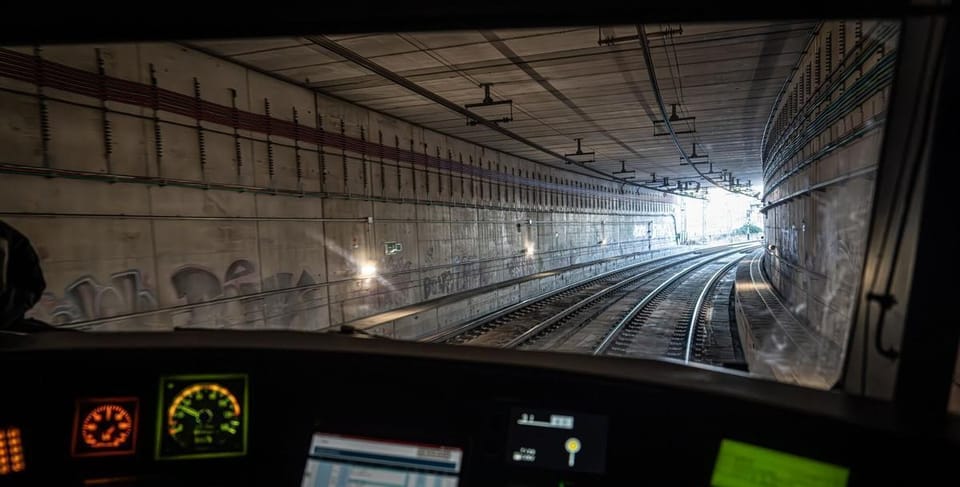
Barcelona’s transport planners are looking at a third Rodalies rail tunnel under Diagonal avenue, as the city’s two existing tunnels near capacity. The proposal comes from the Àrea Metropolitana de Barcelona (AMB) and is aimed at easing pressure on the network in the years ahead.
The current Rodalies tunnels under Passeig de Gràcia and Plaça Catalunya are already under strain, and demand is expected to rise further when the R-Aeroport line opens. The AMB says the city and its metropolitan area will need more rail capacity as the population grows.
Javier Ortigosa, head of mobility and urban structure for the AMB’s Plan Director Urbanístic Metropolità (PDUM), said Diagonal is a strong option because it is a major route with high demand. He also said there is broad agreement that the tunnel should follow the Diagonal axis. The AMB does not directly plan rail infrastructure, but it does forecast short, medium and long-term mobility needs for the Barcelona area.
The PDUM document, which has had initial approval and still needs more administrative steps, suggests the tunnel should run more than 50 metres underground, below existing metro lines and utility collectors. It sets out four indicative stops, Zona Universitària, Av. Sarrià - Francesc Macià, Passeig de Gràcia, linking with Diagonal metro station, and Monumental.
Several northern connection options are still on the table. One would extend the tunnel towards Poblenou and the 22@ district, then link with the R1 line at Sant Adrià. The PDUM says a direct link to La Sagrera - Meridiana station, or the future high-speed station, is essential for metropolitan mobility. Other options include a new R1 route via La Sagrera and El Clot, or a direct link to the R4, although that would mean complex excavation near Glòries.
The idea is not new. It has appeared in plans since 2010, including the Pla Territorial Metropolità de Barcelona, and the Ministry of Transport commissioned a study of alternatives in 2022 that also included the tunnel. The current Pla de Rodalies mentions it as a long-term study item, but without a specific budget. The PDUM now separates the so-called Delta Metro from the third tunnel so the two projects do not depend on each other. For more on local transport planning, see Community and Sport.
Ortigosa said the best case would still take around 20 years. The PTP, the public transport advocacy group Promoció del Transport Públic, says the project is technically possible and wants debate to start soon. Joan Carles Salmeron, director of the Centre d'Estudis del Transport Tèrminus, also says agreement is needed quickly if Barcelona wants a third tunnel by 2050. The PDUM’s own figures suggest a new tunnel could sharply reduce pressure on the Plaça Catalunya corridor and lift total daily Rodalies use well above current levels.