Barcelona’s bodegas are having a clear comeback, and the trend is strongest in neighbourhoods such as Sant Antoni, Gràcia, Poble Sec and Eixample. These places are pulling in residents and visitors with simple food, good wine and prices that still feel manageable.
One example is Bodega Gol in Poble Sec, which reopened after months closed. Chefs Roger Solé, a former hairdresser, and Rodrigo Castillo, an ex-industrial engineer, now run the kitchen, with support from Enric Rebordosa. They serve 27 fixed tapas, plus off-menu dishes, while trying to keep the spirit of the original business.
The same idea runs through Bodega Borràs, where Roger and Adrià Muñoz Borràs said: “We want to serve the food we like, traditional food, food and wines.” The kitchen there includes Álex Clavijo, an Ecuadorian former Top Chef contestant, who makes a plated gilda with cured horse mackerel and piparra cream.
Some of Barcelona’s best-known bodegas show how long this format has lasted. La Bodega d'en Rafel in Sant Antoni has been open since 1914 and is known for preserves and strong flavour combinations. Quimet & Quimet, another city favourite, shifted to tinned goods years ago and became known for its meatball sandwiches and steady stream of customers.
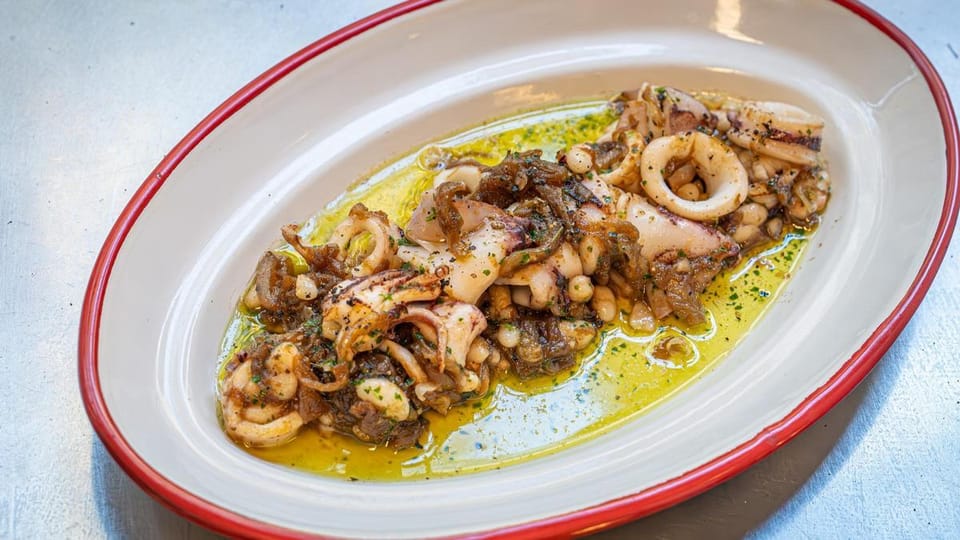
In Gràcia, Bodega Vidal has also returned to form, serving dishes such as onion-braised squid and esqueixada, the shredded salt cod salad. Bar Bodega Can Ros, also in Gràcia, keeps its walls covered with 3,000 keyrings and is known for torreznos. In Eixample, Bodega Manolo offers a bright room, sandwiches and a porchetta sandwich that has become a talking point.
The revival is not without pressure. Bodega Carol had to move, and Bodega Montferry also relocated because of rising property costs. Food critic Pau Arenós said one Montferry sandwich, made with mollete bread, capipota and tripe, should form part of Barcelona’s “ephemeral heritage”.
Newer places are also adapting the bodega idea. Bodega Josefa in Farró, led by Oriol Lagé and Santi Olivella, takes a modern approach to nova cuina catalana, while Bodega Bonay at Hotel Casa Bonay pairs smoky dishes with lively wines. Other spots, including Bar Chiqui / Grado Sushi, Celler Cal Marino and Bodega Sepúlveda, show how flexible the format has become across the city.
For more on Barcelona’s food scene, see our community coverage and sport updates. The wider picture is simple, Barcelona’s bodegas still matter because they offer food, drink and a sense of place that many people want to keep.