Barcelona's urban landscape will see significant changes after the Socialists' Party of Catalonia (PSC) and Together for Catalonia (Junts) formed an alliance on Tuesday. This political agreement allowed the provisional approval of three major urban development projects, despite strong opposition from Barcelona en Comú (BComú) and the Republican Left of Catalonia (ERC). The reforms include new commercial regulations for the historic Ciutat Vella district and a plan to reopen the iconic Capitol theatre.
During a city council urban planning commission meeting, PSC and Junts councillors combined their votes. They approved the new commercial use plan for Ciutat Vella. Additionally, they ratified an agreement linking the Capitol theatre's reopening as a public facility with permission for offices and shops in the former Telefónica building in Plaça Catalunya. Junts also avoided blocking a controversial 20-storey tower project on Carrer Tarragona, near Plaça Espanya, by deferring its vote until a full municipal plenary session.
Albert Batlle, the Ciutat Vella Councillor for the PSC, defended the new commercial plan. He stated, "Not doing anything would lead us to the situation prior to the suspension of licences in the district, where activities without added value proliferated." Councillor Batlle also dismissed claims from opposition parties and neighbourhood groups about seven new nightclubs opening. He added, "Whoever says this has either not read the plan or wants to generate alarm."
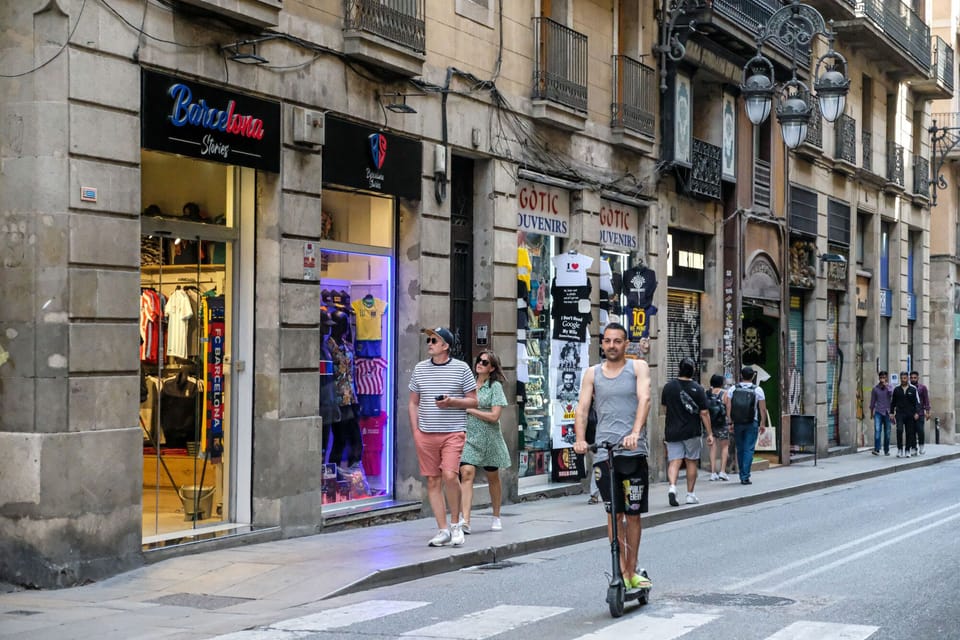
The Ciutat Vella commercial use plan aims to regulate new establishments in the district, home to over 100,000 residents and a major tourist hub. Former Mayor Ada Colau's administration implemented the previous plan in 2018. That plan faced criticism. Damià Calvet, a Junts councillor, agreed with Batlle, stating, "The 2018 agreement, full of prohibitions, failed." He noted the new plan "consolidates restrictions for tourist uses and nightclubs."
Opposition parties expressed significant concerns. Eva Baró, an ERC councillor, argued the new rule "will continue to allow low value-added activities aimed at tourist consumption." She estimated the plan could lead to 17 new clubs or cannabis shops, 200 24-hour supermarkets, and seven discotheques. Jordi Rabassa, a BComú councillor, predicted "four or five" new party rooms. He warned the changes "will accentuate residents' discomfort, inflate rents and open the door to establishments that will eat up neighbourhood commerce, which will never speak Catalan and will only offer services to tourists."
Regulating Ciutat Vella Commerce
The new Ciutat Vella plan specifically limits the opening of certain businesses. These include cannabis shops, nail salons, and mobile phone case shops. Councillor Batlle emphasised that the plan "does not increase tourist pressure" and will have "fewer general prohibitions." Sonia Devesa of the People's Party (PP) did not share the "alarmist narrative" of the left-wing opposition. However, she criticised the plan for not further restricting alcohol sales in 24-hour supermarkets. The plan received support only from PSC and Junts, sufficient to advance it to a full municipal plenary for final approval. The PP abstained, and Vox reserved its vote.
Capitol Theatre and Telefónica Building
The second major agreement involves the historic Capitol theatre on La Rambla, a prominent boulevard in the city centre. Under the plan, the theatre will become municipal property "at no cost" to Barcelona. The current owner, Torcalena, will pay five million euros to renovate the theatre. In exchange, Torcalena receives permission to develop offices and shops in the former Telefónica building in Plaça Catalunya. This central square is a key transport hub and commercial area for Barcelona.
Councillor Calvet of Junts called the operation "beneficial." He highlighted a pact with the government to secure space for popular culture entities within Ciutat Vella in return for Junts' approval. Conversely, Lucía Martín, a BComú councillor, labelled the exchange between the Capitol and Telefónica as "speculative." She warned it would generate "millions in profits" for Torcalena. ERC echoed this sentiment, stating it "generates private capital gains without a proportional return of public benefits."
Controversial Tarragona Tower Project
The third significant urban project concerns the construction of a fourth 20-storey tower on Carrer Tarragona. This street is located near Plaça Espanya, a major interchange and exhibition centre. Developer Núñez y Navarro has promoted this project since 1987. The plan allocates over 12,000 square metres for offices. It also allows 10% of the building's floor space for private housing. The developer is not obligated to build these homes.
Junts councillors noted the plan's "complexity." They decided to await further clarifications before making a definitive statement at the full council meeting. Their decision not to block the project allows its continued processing. BComú made allegations. Following these, the municipal government confirmed it will require the developer to reserve 30% of any built homes for the public housing stock. BComú and ERC opposed the tower project, while the PP voted in favour.
What Happens Next
These urban development proposals will now proceed to a full municipal plenary session for final approval. Debates are expected to continue. These will focus particularly on the Ciutat Vella commercial plan and the financial implications of the Capitol-Telefónica exchange. Residents across Barcelona, especially in Ciutat Vella and around Plaça Espanya, will closely watch these decisions. The outcomes will shape the city's commercial landscape, cultural offerings, and housing future. These changes will last for years to come.
Come and join our Barcelona English Speakers community on WhatsApp.
Originally published by El Periódico Barcelona. Read original article.