Barcelona province is facing a sewage problem that affects around 70,000 residents living in about 300 urbanisations with deficient or non-existent public sewer networks, according to a study by the Diputació de Barcelona (DIBA).
The report says this is the most serious service gap in these low-density residential areas. In many cases, households rely on septic tanks, and some wastewater is discharged directly onto public streets. DIBA says 84% of deficient urbanisations across the province are affected by this lack of proper sanitation.
Local leaders say the impact is both practical and financial. Joan Galiano, mayor of Bigues i Riells in Vallès Oriental, said residents in areas without a public network use their own septic tanks, and there have been cases of leaks onto the street with serious public health problems. He also said councils are being forced to treat some residents differently because many urbanisations have not been formally legalised, or recepcionadas.
The problem goes beyond sewage. DIBA says around 5,515 residents in Barcelona province have no potable water network, while 38,885 live with a water network in poor condition. Lorena Perona, an urban planning technician at DIBA, said these systems were often built by residents themselves. Marta Verdejo, mayor of Olivella in Garraf, said her council has spent 5.5 million euros on the water network in eight years, but still faces costs it cannot cover from a 5 million euro annual budget.
The report also links the lack of water infrastructure to fire risk, especially where urbanisations sit close to forest land. Perona said regulations require hydrants, but in practice councils cannot provide them without a proper water network. She also said the absence of a conventional sanitation network can stop councils from granting building licences, because a plot is not considered buildable without it.
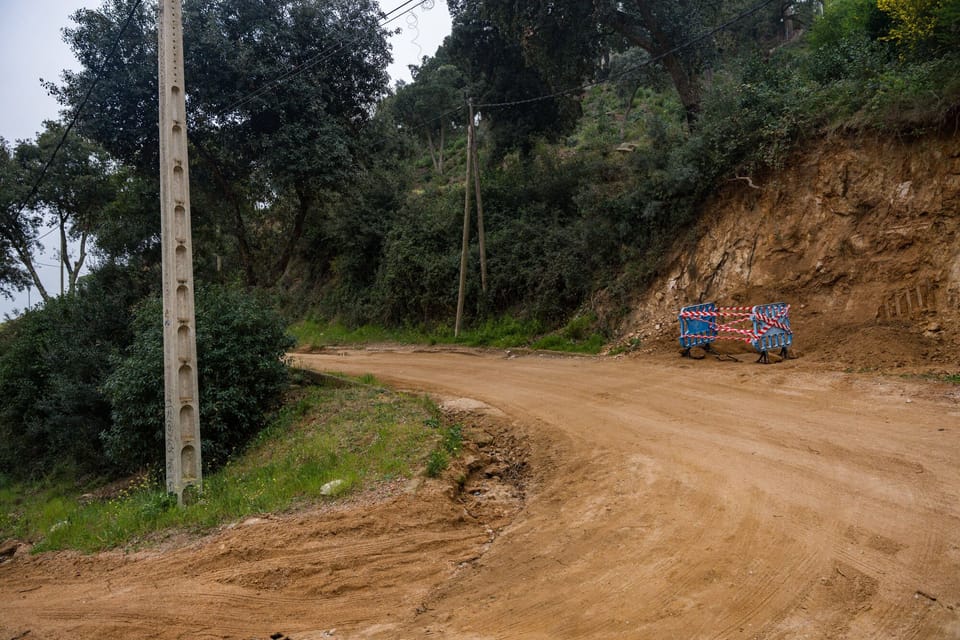
DIBA says other service gaps are widespread too. More than half of deficient urbanisations have poorly maintained paving, 26.2% have no paved roads, 32.2% have no public lighting, and 68.4% have a deficient electricity supply network. The study also says 55% of these urbanisations do not comply with the current urban planning instrument in the territory.
The biggest concentrations are in Vallès Oriental, with 58 affected urbanisations, Maresme with 53, and Baix Llobregat with 39. Across Catalonia, the issue affects 730 urbanisations and 120,000 citizens. Catalan municipal leaders agreed in late 2024 that action is needed, and the Govern is now considering legal changes. For more on local coverage, see our community and sport pages.