Barcelona is experiencing a significant rise in violent crime, including a dozen homicides and multiple shootings, despite official statistics showing a 6.1% decrease in overall criminal offences during 2025. This stark contrast between reported data and a growing sense of public insecurity has sparked debate across the city. Residents and authorities are grappling with this complex reality.
The Ministry of Interior and the Catalan police force, Mossos d'Esquadra, reported a 6.1% reduction in criminal offences for Barcelona in 2025. This figure compares to the previous year. Theft, the city's most common crime, fell by 7.6%. Property crimes also decreased by nearly 7%. However, other crime categories saw significant increases. Drug trafficking offences rose by 27%. Incidents involving knives increased by 23%. Sexual assaults went up by 4.4%. These more extreme and visible acts of violence are defining the start of 2026. Barcelona and its metropolitan area have recorded approximately 12 violent homicides in just the first few months of the year. This figure includes numerous knife fights, shootings, and incidents linked to organised crime.
Rising Violent Incidents
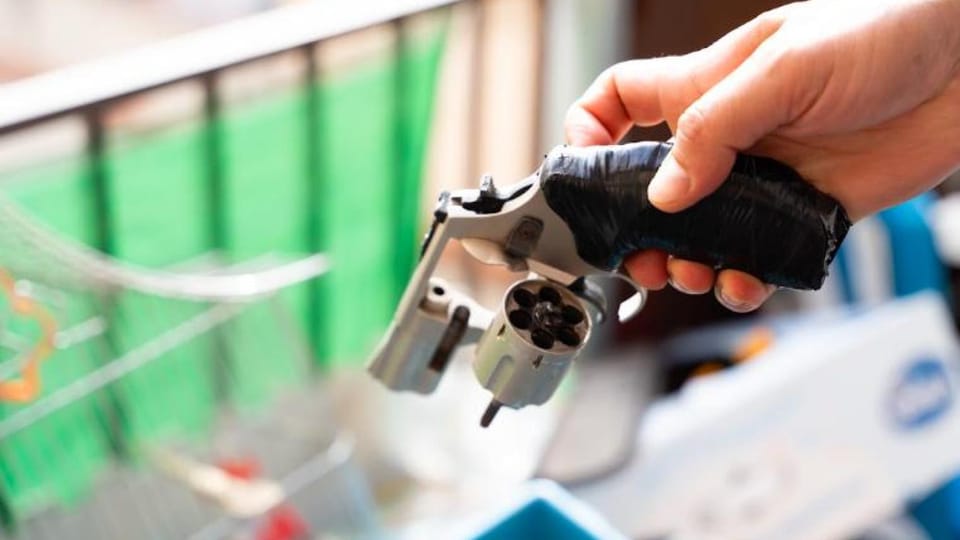
Several of these violent incidents involved firearms. They often occurred in broad daylight on public streets. This has increased their social and media impact. In March, two fatal shootings took place. One occurred on March 21 at a Chinese karaoke bar in Badalona, a city in the Barcelona metropolitan area. Metrópoli Abierta reported on this incident. The other, on March 28, resulted in the death of a 28-year-old Dominican man in L'Hospitalet de Llobregat.
April saw further gun violence. On April 15, assailants shot and killed a Montenegrin citizen. Police believe this was a settling of scores by the Balkan mafia. Days later, on April 24, another shooting targeted 'Robertico', a known criminal from the Dominican Republic, in the Sants neighbourhood of Barcelona. The most recent fatal shooting happened on May 16 in the Zona Franca industrial area. It claimed another life. Many of these incidents involve new youth groups. These groups attempt to emulate older Latin American gangs.
Organised Crime and Neighbourhood Hotspots
This growing perception of insecurity contrasts sharply with official crime figures. It generates debate even among experts and police forces. While administrations maintain that conventional criminality is decreasing, police unions warn of "criminal comfort zones" in Barcelona. They claim certain offenders operate with a sense of impunity in these areas. Neighbourhoods like Raval, known for its diverse population and nightlife, Sant Martí, a large district encompassing many areas including Diagonal Mar, Sant Andreu, a historic village now part of the city, Besòs, La Mina, and parts of L'Hospitalet de Llobregat have long concentrated issues. These include drug trafficking, repeat offending, and knife violence, according to union statements.
Police researchers also comment on the psychological impact of different crime types. They explain that the most psychologically impactful crimes are not always the most numerous. Instead, the most violent ones leave a lasting impression. "A mobile phone theft can become part of the urban routine," police agents told Metrópoli Abierta. However, a shooting or a homicide generates a much greater sense of losing control. This type of visible violence is increasingly shaping public opinion.
The Shifting Nature of Crime
The proliferation of knives and the increase in shootings across Catalonia particularly concern police investigators. Many of these episodes relate to disputes between criminal groups, drug trafficking, or personal conflicts. These situations often quickly escalate into extreme violence. The constant exposure to these events, amplified by social media and viral videos, solidifies a perception of insecurity. Global statistics do not neutralise this feeling.
The debate, therefore, extends beyond simply how many crimes occur in Barcelona. It now focuses on the type of violence becoming normalised in the city and its metropolitan area. This shift in the nature of crime presents a significant challenge for local authorities and residents alike. Addressing this will require more than just reducing overall crime numbers. It will demand specific strategies to tackle the root causes of extreme violence and restore public confidence in safety.
Sign up for our new entrepreneurs community Bizcelona, now accepting our second wave of applicants.
Originally published by Metrópoli Abierta - Urban Life. Read original article.