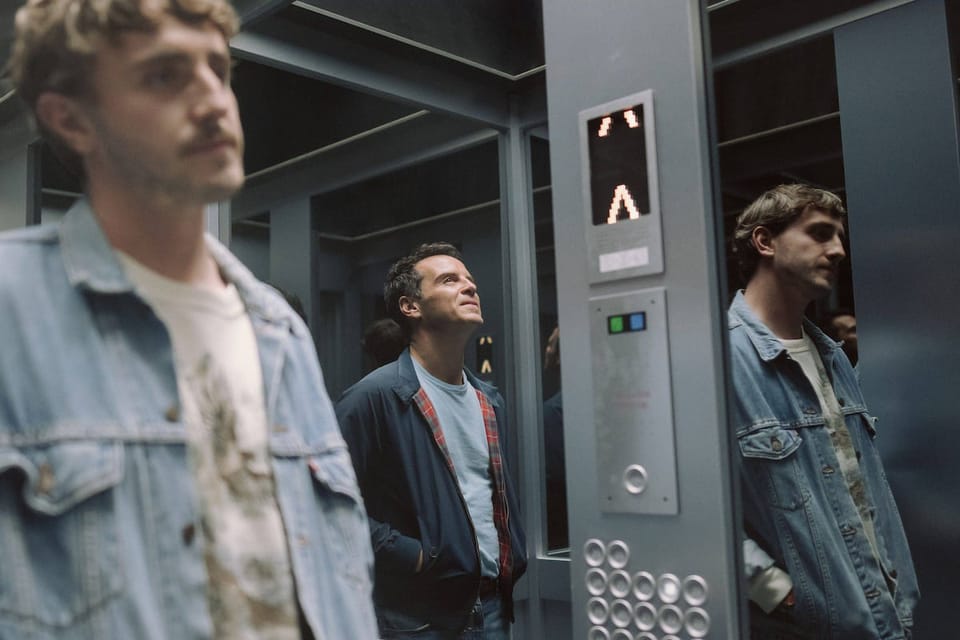
Barcelona residents often encounter "familiar strangers" during their daily routines. These individuals, seen repeatedly in public spaces without direct interaction, significantly contribute to the city's social fabric and a sense of security. Social psychologist Stanley Milgram first defined this phenomenon in 1972. It reveals how non-verbal recognition fosters an invisible network crucial for urban living.
Milgram's concept of the "familiar stranger" describes a person. People observe this individual repeatedly over time, yet no interaction occurs. He directly linked this form of recognition without contact to the information overload inherent in urban environments. Cities are saturated with constant stimuli. People recognise familiar strangers visually but avoid further interaction. This avoidance occurs because interaction demands more capacity. Miquel Fernández explains this urban dynamic. He is a sociology professor at the University of Valencia. He also belongs to the Grup de Recerca en Exclusió i Control Socials (GRECS) at the University of Barcelona. "Urban anthropology seeks to identify a new society. This society emerges in the urban, industrialised, or capitalist world," Fernández states. He adds that this research began in Chicago in the early 20th century. Researchers observed people with diverse backgrounds arriving in cities without connecting.
Fernández highlights the stark contrast between rural and urban settings. "In a village, when you see someone, practically no one is a stranger; everyone is more or less known," he explains. "In a city, with the rush and acceleration of recent decades, this would be completely disruptive. It would not work if we greeted everyone every day." Experts affirm that communication still occurs through gestures, despite the absence of verbal communication. "In this kind of anonymity, we always show ourselves and let ourselves be seen," Fernández notes. "By looking, we also give permission for others to look at us. This entire web of communication primarily occurs in cities."
Familiar Strangers in Barcelona Districts
Familiar strangers' presence varies across Barcelona's diverse neighbourhoods. Fernández, an expert on the Raval district, considers this area an example of "eminent flows of population and people who know each other by sight, as there is increasing movement of people and others who are passing through." Consequently, the Raval exhibits less persistence in urban life. This makes familiar stranger networks more challenging to form. The district is known for its high population turnover and vibrant, transient atmosphere. However, areas such as the Guinardó district, a more residential and stable neighbourhood, or, to a lesser extent, the Gràcia district, a popular area with a strong community feel, demonstrate the necessary minimum persistence for these networks to thrive.
Building Urban Familiarity and Security
The number of people present, along with population density and movement, are crucial factors. They help establish a network of familiar regulars. Repetition plays a fundamental role in building familiarity. You know a person by sight but have not interacted with them. This repetition transitions them from a total stranger to a familiar regular, without becoming known. Fernández emphasises the importance of density and frequent interactions in large cities. He notes that they foster a sense of commitment and attention. "Familiar regulars believe this network will activate if a problem arises," he asserts. This implies a direct link between familiar strangers and urban safety.
The Role of Familiar Strangers in Public Spaces
Security is a paramount factor. Experts state that a person feels more secure on an empty street if premises, shops, or a known passer-by are present. "To feel safe, the important thing is to have a street full of people," Fernández explains. "Even if you do not have an intimate relationship, being present in the same urban space will make the feeling of security more robust and comfortable." A study, "The Familiar Stranger: Anxiety, Comfort, and Play in Public Places," supports this view. It indicates familiar strangers directly influence how people perceive and inhabit public spaces. These repeatedly encountered individuals contribute to an initial sense of discomfort. This evolves into familiarity. They provide stability and recognition within dynamic urban environments, even without interaction.
Erosion of Urban Predictability
Another study on human mobility focuses on familiar strangers. It reveals these encounters are not random. Instead, they stem from collective mobility patterns. Analysis of mobile phone data demonstrated people systematically coincide with certain strangers in their daily routines. Furthermore, the research indicated more encounters between two individuals correlate with reduced social distance. This occurs even without direct interaction. However, modern economic pressures erode this invisible network. Fernández laments precarity undermines the sense of recognising someone who recognises you. It also undermines the resulting predictability. This is particularly true for acceleration and rotation within the labour market. "You have no control over your schedule, and this affects both workers and managers," he points out.
Impact of Changing Work Patterns
The loss of predictability in daily routines alters individual habits. It also changes how society inhabits shared spaces. This impacts the recognition of familiar strangers. This erosion can damage an invisible yet vital aspect of urban social life. In previous generations, individuals often remained in the same job until retirement. This fostered stable routines and consistent encounters. Today's increased job insecurity and flexible working arrangements disrupt these patterns. They make it harder to maintain the consistent presence required for familiar stranger networks to form. Understanding these dynamics is crucial for urban planners and community leaders in Barcelona. They seek to enhance social cohesion and safety within the city's bustling environment.
Come and join our Barcelona English Speakers community on WhatsApp.
Originally published by El País Barcelona. Read original article.