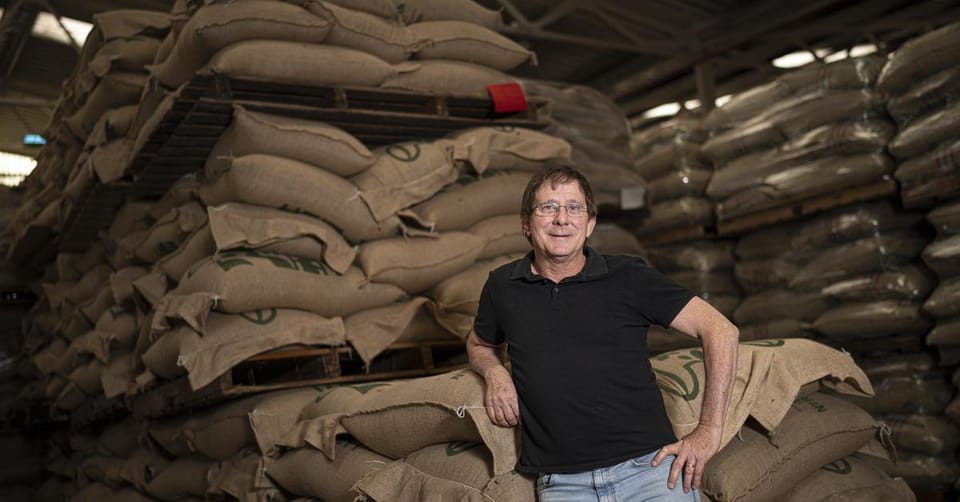
Barcelona coffee drinkers are paying more for their daily cup, and the reasons start far beyond the city. Across Catalonia, prices are rising as climate change, geopolitical instability and stronger global demand put pressure on supply, according to Manel Batet of Cafès Novell in Vilafranca del Penedès.
Batet says coffee has also changed in quality and in how people drink it. He recalls a time when coffee was seen as a strong, bitter drink that needed two sugar cubes. Today, many people take it with little or no sugar, and five grams is often enough.
That shift reflects better beans, better roasting and better equipment. It also reflects the decline of lower-quality coffee and torrefacto, the style that adds caramelised sugar during roasting. Over time, the industry has moved towards more traceable coffee and more precise preparation.
Coffee itself grows in tropical areas between the Tropics of Cancer and Capricorn. The two main varieties are Robusta and Arabica. Robusta grows at lower altitudes, usually between 300 and 600 metres, while Arabica grows higher up, from about 600 to 1,800 metres. Those growing conditions affect flavour, aroma and caffeine content.
Batet says Arabica is usually more aromatic and more acidic, while Robusta has more body and more caffeine. A cup that feels very strong, he says, often points to a higher Robusta blend. Arabica is not automatically more expensive, but higher-grown Arabica often commands a premium because of its aroma and lower caffeine content.
The market has also changed because of history. During Franco's dictatorship, coffee was not a free market product. After the post-war years, the state controlled supply, and that changed with the 1959 Stabilisation Plan. Before then, batches from different origins were allocated to roasting companies, and consumers mainly drank bitter Robusta from Spanish colonies, often softened with chicory or cereals.
Today, the pressure comes from elsewhere. Climate change has reduced production areas in Brazil and made coffee plants sicker. Geopolitical disruption, including conflict in Yemen and problems in the Suez Canal, has pushed shipping routes around South Africa and raised transport costs. Rising consumption, including in China, and labour shortages in countries such as Colombia are adding more strain. For more on the business side of the sector, see Community and Sport coverage on Barna.News.
Cafès Novell itself began in 1958 in a pastry shop in Vilafranca del Penedès, where the owner used the oven when it was already hot to roast other products. He started with nuts, then moved into coffee. Later, he bought Robusta from Africa and exchanged it for Arabica from Brazil, and the business grew into the company now run by his three children. Batet says a cup costing four or five euros can be justified if the coffee is certified, with social, environmental and economic standards and traceability back to a specific farm.