From Barcelona, a VilaWeb analysis uses a historian’s idea of “competition for consciousness” to frame the debate over Catalan identity. The piece argues that national belonging is shaped less by origin than by how people see themselves.
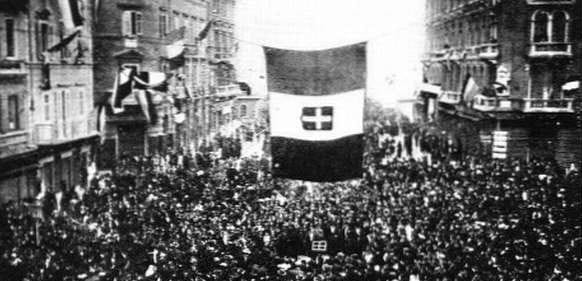
The commentary draws on Raoul Lupo, a historian from Trieste, and his work on Adriatic nation-building. His book, Italianità adriatica, looks at the eastern border of Italy, where mixed populations and shifting borders shaped identity over time.
In that setting, cities such as Trieste, now in Italy, and Rijeka, also known as Fiume and now in Croatia, could have ended up in different countries if history had turned out slightly differently. The article says Lupo’s central point is that identity was formed through a “competition to conquer the consciousness” of local people, regardless of ethnic background.
The VilaWeb commentary says the lesson for Catalonia is that the key issue is not simply being Catalan, but having the consciousness of being Catalan and not Spanish or French. It links that idea to the history of attempted Hispanisation and says the 1992 Barcelona Olympic Games marked a period when many Catalans felt comfortable within the Spanish state.
The piece then argues that the years between 2012 and 2019 brought a major shift, with a more confrontational Spanish nationalism helping to weaken that sense of ease. It presents this as progress in the wider struggle over consciousness, even if the change is not always easy to see in day-to-day politics.
The article is published by VilaWeb. For more local context, see our Community coverage and Sport stories from Barcelona.