Barcelona-area councils are among more than 100 municipalities across Catalonia preparing bids for the Generalitat’s second Pla de Barris call, which could put up to €400 million into neighbourhood regeneration.
A total of 106 municipalities have already told the Department of Territory they want to apply. The official application period opens in about a month, and Carles Martí, the Pla de Barris commissioner, expects around 120 bids.
The first call received 83 applications. This second round starts with a budget of €200 million, which could rise to €400 million if the Catalan budgets are approved as planned. Councils that have shown interest will meet Martí and his team soon to go through the technical requirements.
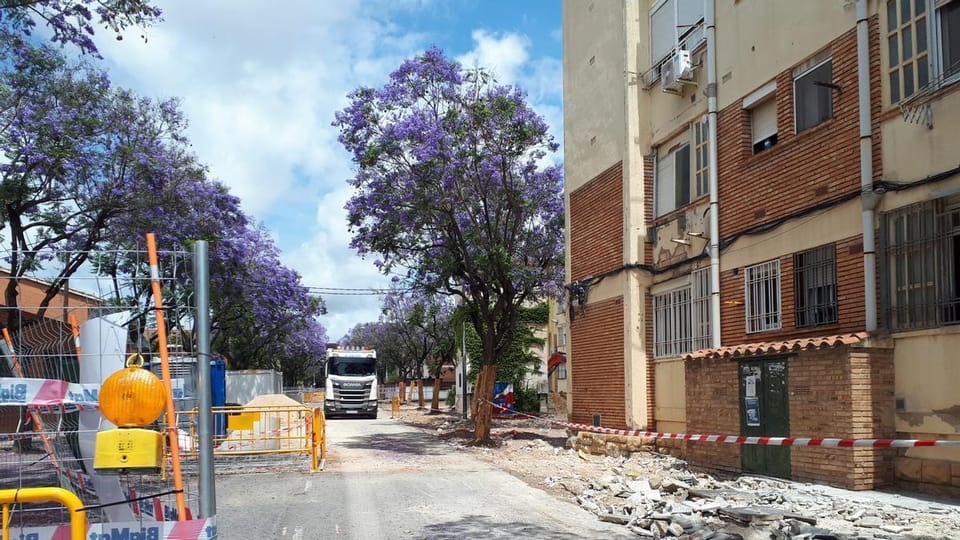
In the Barcelona metro area, Badalona and Sant Adrià de Besòs plan to apply together, while Santa Coloma de Gramenet is already working on housing rehabilitation in the southern neighbourhoods of Fondo, Raval, Santa Rosa, Safaretjos and part of Can Mariner. The city says the plan will support home repairs, street upgrades, school improvements and local economic activity. You can also follow our community coverage for more local updates.
Other Catalan cities are also moving ahead. Reus is already carrying out work on Astorga Street in its southern neighbourhoods, where the project will create a new civic axis, add cycle space and plant more than 3,000 trees and plants. Tarragona is backing 34 actions in its Part Baixa district, while Mataró is setting up its evaluation committee and preparing work in Cerdanyola. Calafell has secured €12.3 million for the Cal Bolavà area, with plans for greener streets, climate shelters and support for vulnerable residents.
The Pla de Barris programme was first launched under the tripartit governments led by Maragall and Montilla. Its aim is to tackle deep inequalities in degraded urban areas through integrated projects, not one-off fixes. For more on local regeneration and city policy, see our sport coverage, where we also track how neighbourhood facilities and public spaces are used across the city.
The next few months will show how many of these councils make it through the full process, and how much of the possible €400 million is finally awarded.