

The Generalitat de Catalunya has announced a significant easing of Catalonia livestock restrictions. Consequently, public access to forests will be restored in dozens of municipalities. Officials had previously signaled their intent toward easing African swine fever restrictions as part of a phased approach. Therefore, despite a continued rise in African swine fever (ASF) cases among wild boars, the Department of Agriculture is moving forward with a plan to normalise activities in the affected zones.
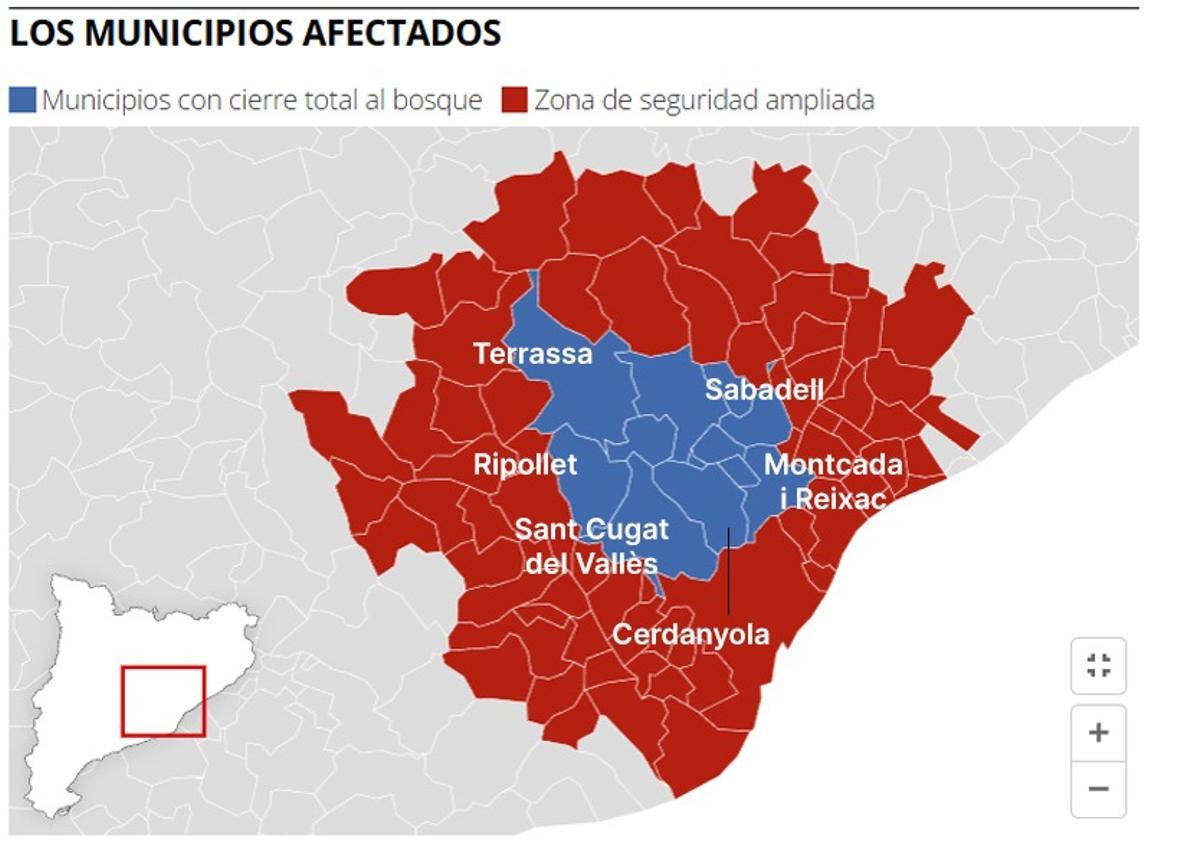
On Friday, Councillor for Agriculture Òscar Ordeig confirmed that while farm protocols remain strict, restrictions on entering the natural environment will be lifted for 79 municipalities. These towns are situated between six and 20 kilometres from the disease’s ‘ground zero’.
Your browser does not support the video tag.
Home » Catalonia Livestock Restrictions Eased as Forest Access Reopens
Catalonia Livestock Restrictions: Forest Access Restored
The decision comes even as the count of infected wild boars continues to climb. In the past week alone, 21 new positive cases of African swine fever were recorded, bringing the total to 85. However, officials noted that these new cases remain confined within a six-kilometre radius of the initial outbreak. This outbreak was first detected in November 2025 in Cerdanyola del Vallès.
The relaxation of rules means that residents in 79 towns across areas such as Barcelonès, Vallès Occidental, Baix Llobregat, and Maresme can resume normal access to woodlands. In addition, organised group activities in these areas, previously banned to prevent the spread of the virus via human movement, will now be permitted.
While the perimeter is opening up for the public, the Department of Agriculture plans to meet with local mayors to formalise the proposal. Conversely, biosecurity limitations on farms remain in force. This is supported by an operational team of approximately 300 people deployed in the area to manage the containment.
Relief for Cattle Farmers as Rules Ease
In addition to the measures regarding swine fever, the agricultural sector has received positive news regarding Contagious Nodular Dermatosis (CND), a skin disease affecting cattle. Following authorisation from the European Union, the Generalitat is easing restrictions that were triggered by an outbreak in France near the border.
This regulatory shift will allow 1,079 farms in Girona to resume operations, including the reintroduction of animals into facilities that have been inactive for over three months. Ordeig warned, however, that the full resumption of activity is contingent on reaching a 100% vaccination rate against the virus by 31 January. According to the Directorate General of Agriculture and Livestock, coverage currently stands at 99%.
Providing no new cases are detected, further limitations affecting 165 municipalities and over 1,000 farms—imposed after a specific outbreak in Capmany—are scheduled to be lifted on 26 February.
Avian Flu Restrictions to End Soon
Addressing the third crisis currently affecting Catalan livestock, Ordeig announced that restrictions related to avian flu are expected to be lifted on 11 February, provided the epidemiological situation remains stable. The region has also been contending with the effects of recent severe weather, which can impact agricultural conditions. Until that date, surveillance and prevention measures will continue.
The Councillor emphasised the necessity of caution during this transition, calling for ‘rigorous compliance’ with the remaining measures. He also requested continued collaboration from the farming sector to ensure the outbreaks are fully contained. This call for cooperation comes as the region also prepares for upcoming medical strikes, highlighting a period of significant pressure on public services.
Join Barcelona English Speakers WhatsApp Community .
