Women in Barcelona and across Catalonia are facing major delays in diagnosis for serious conditions, with doctors warning that gender bias still shapes how symptoms are taken seriously.
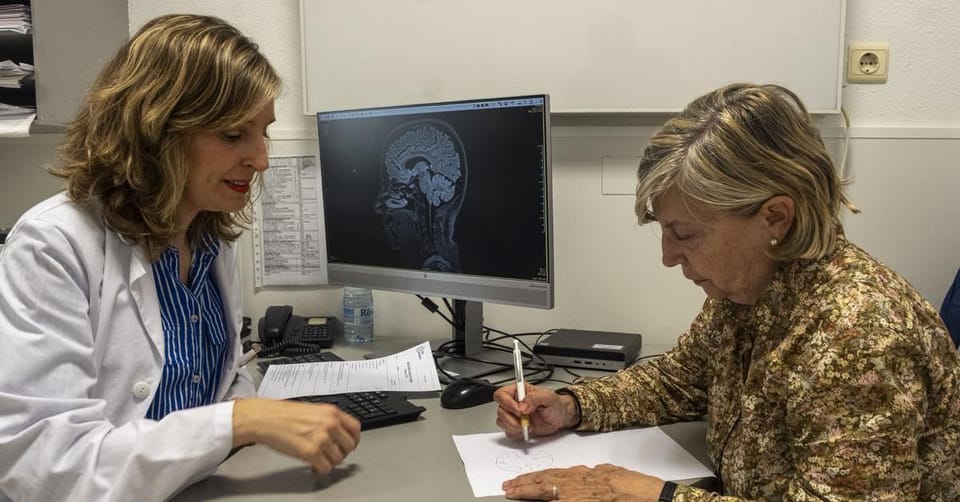
Pilar, a 70-year-old former shop owner from Sant Andreu, spent years with symptoms that were brushed off before she was diagnosed with Alzheimer’s. Her memory lapses began at 61, but her GP first linked them to anxiety and depression. Her daughter noticed she kept asking the same questions, while Pilar herself did not fully realise what was happening. At one point, she says the doctor told her, “It’s nothing, woman.”
Two and a half years later, Pilar saw neurologist Neus Falgàs at the Hospital Clínic de Barcelona. A lumbar puncture confirmed proteins linked to Alzheimer’s disease. Pilar said the diagnosis felt like “a bucket of cold water”, but also brought relief because she finally understood what was happening.
Alzheimer’s is the most common form of dementia, and more than 50,000 people aged over 59 in Catalonia live with it. Two out of three patients are women. Dr Falgàs said early symptoms in women are often underestimated and linked to mood problems, which can delay treatment and worsen outcomes.
That pattern also appears in cancer care. María José Ribal, head of the Uro-oncology Unit at Hospital Clínic, said women with bladder cancer are often treated for infection first, even when symptoms keep coming back. She said some patients consult five or six times before cancer is considered. In one recent case, a woman who went to primary care in October for urinary discomfort was later diagnosed with bladder cancer in April.
Elisa Llurba, a gynaecologist and coordinator of the Women’s Health Transversal Programme at the Sant Pau Research Institute, said sex and gender can affect disease risk, symptoms and how conditions progress. She said the medical system has not fully taken women, or diversity, into account. For readers following wider local health coverage, see our community coverage and related sport stories.
Research cited in the article points to the scale of the problem. A 2019 Danish study found women were diagnosed with hundreds of health problems, on average, four years later than men. A 2024 European Commission and OECD study found women live longer than men, but with poorer health, linked to diagnostic delays, pain bias, research gaps and limited access to care.