Barcelona Mayor Jaume Collboni addressed business leaders at Foment del Treball headquarters this Wednesday, defending the city’s housing strategy and highlighting its appeal for foreign investment. He acknowledged the ongoing debate surrounding the 30% social housing reserve, a key policy for affordable homes.
Mayor Collboni stated that international instability, particularly conflicts in the Middle East, presents an opportunity for Barcelona to attract foreign attention and investment. He noted a significant 20% increase in investors during the first months of this year compared to all of 2025. “Amidst the context of a truce with Iran but not with Lebanon, which also deserves peace, Barcelona emerges as a safe space with political stability,” Mayor Collboni said at the Catalan employers’ association event. He added, “These are two requirements that were not evident a few years ago and are now a necessary reality for medium and long-term horizons.”
He also stressed his primary concern for reducing inequality, particularly regarding housing affordability in the city. “My main concern remains reducing inequalities and ensuring fewer families struggle to make ends meet,” he stated, referring specifically to the difficulties of affording a flat in the capital. Collboni expressed his refusal to accept that Barcelona families cannot continue living in the city centre.
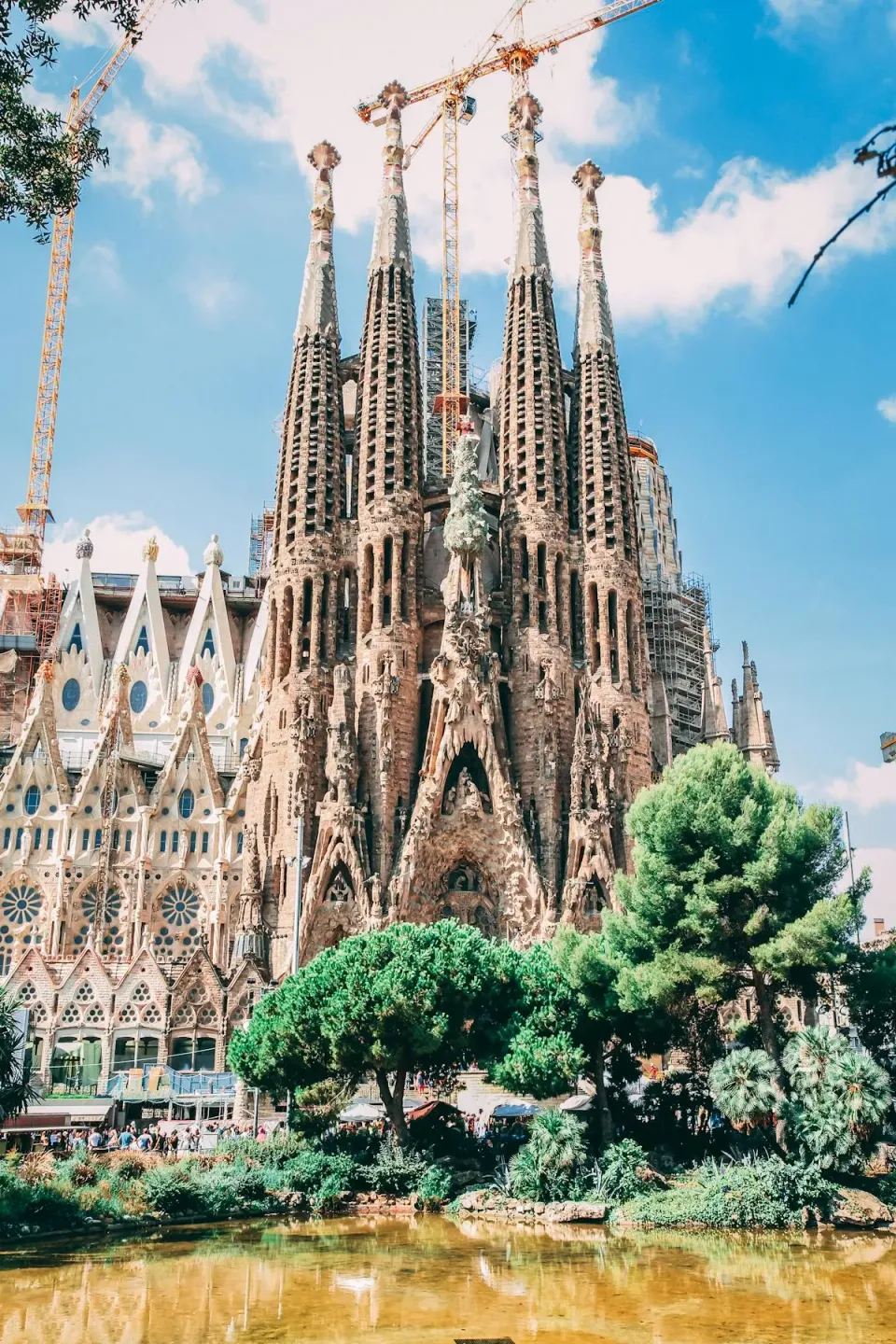
Josep Sánchez Llibre, President of Foment del Treball, urged the mayor to “eliminate” the 30% social housing reserve in new housing developments. “We cannot be satisfied,” Sánchez Llibre warned, lamenting a perceived lack of construction cranes in Barcelona’s skyline. This policy mandates that 30% of new housing developments and major renovations must be allocated for social housing.
Mayor Defends Housing Growth and Projects
Mayor Collboni countered Sánchez Llibre’s point about the absence of cranes, listing ongoing projects in areas such as La Marina del Prat Vermell, 22@, and La Sagrera. He asserted that Barcelona “again shows growth in housing and economic spaces.” He added that the city “again has growth projects in spaces to build protected and free housing,” a situation he said was previously considered impossible. Collboni compared these transformative measures to those of Olympic Barcelona or significant urban changes like extending Diagonal Avenue to the sea.
The 30% reserve, introduced during Ada Colau’s previous administration, aims to increase affordable housing stock in a city facing severe housing shortages. This regulation applies to all new residential developments and major renovations exceeding 600 square metres. The policy has been a point of contention between the City Council and the private construction sector.
Challenges to Reforming the 30% Reserve
Collboni admitted his government had not found a sufficient majority in the Ajuntament, the City Council, to reform the protected housing reserve “for now.” He recognised the policy’s impact on development, stating, “We have not been able to ensure private initiative flows.” The mayor clarified his position on construction, asserting, “I am not one of those who say we should not build more and stimulate supply.”
He emphasised the objective of rebalancing the market so that a family does not spend more than 30% of their income on rent or mortgage payments. Collboni proposed several remedies: regulation, increasing the creation of public housing, and stimulating private construction. He noted his administration began building 500 public flats annually and expects to exceed 1,000 per year by the end of his term, surpassing initial forecasts.
Addressing Tax Burden and Tourism Impact
Sánchez Llibre also criticised an increased “tax burden” under Collboni’s mandate, citing the tourist tax surcharge as an example. Mayor Collboni responded that the increased levy compensates for the effects Barcelona bears due to the influx of visitors. “We want to protect the city and its communities from the intensive use of space by mass tourism, which neither suits us nor do we want, and which tourists do not want either,” he observed.
The Foment del Treball president also highlighted unresolved issues in public-private mobility agreements. He urged the mayor to address these “before the end of the mandate,” which concludes after the municipal elections in May 2027. The ongoing debate over housing policy and urban development will continue to shape Barcelona’s future.
The debate over the 30% social housing reserve and broader housing policy will likely continue as the city grapples with affordability challenges. Mayor Collboni’s administration aims to balance attracting investment with ensuring equitable access to housing for Barcelona residents.
Sign up for our new entrepreneurs community Bizcelona, now accepting our second wave of applicants.
Originally published by El Periódico Barcelona. Read original article.