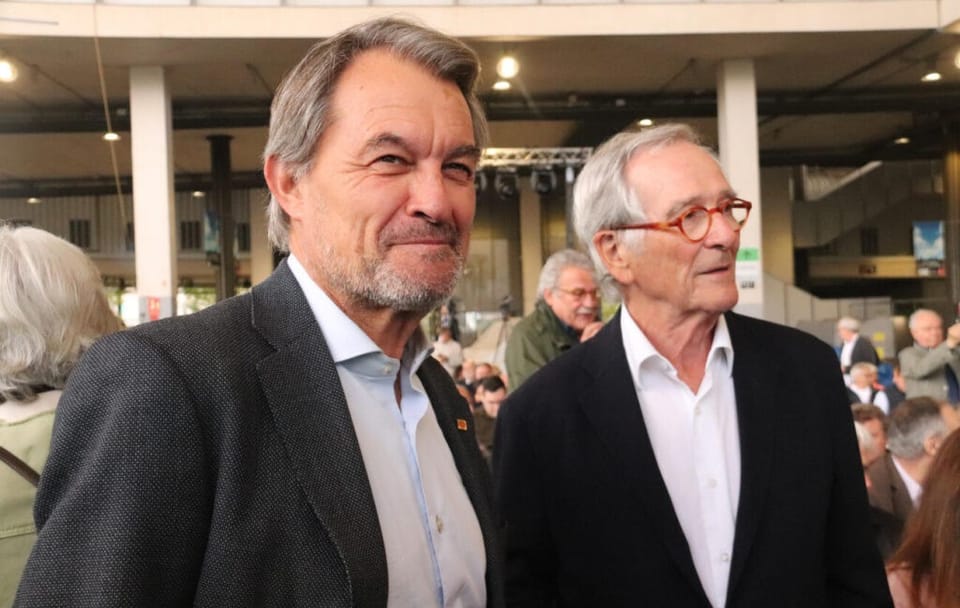
In Barcelona, former Catalan President Artur Mas, Junts secretary-general Jordi Turull and former Barcelona mayor Xavier Trias have questioned the 2016 dissolution of Convergència Democràtica de Catalunya (CDC). A decade on, they say the move left many party members feeling orphaned and disgusted.
Turull said he never supported ending the party, and argued the decision was shaped by short-term pressures, including spending cuts and corruption cases. He also criticised the Mas government’s austerity measures, saying they were not explained properly and damaged the project’s social base.
Mas, who was Catalan president from 2010 to 2016, linked the decision to the political climate at the time, including Jordi Pujol’s 2014 confession about undeclared funds in Andorra and CDC’s shift towards independence. He said the aim was to save the convergent project, even if that meant giving up the party’s name, although he now says perhaps it could have been avoided.
Trias also criticised how CDC disappeared, saying, “We got into a mess.” He noted that other parties have survived more serious scandals without dissolving. CDC, founded in 1974, governed Catalonia for 23 years under Jordi Pujol and later under Mas, and its end marked a major change in centre-right Catalan nationalism.
The three men define the “convergent spirit” as a political approach rooted in Catalanism, transversality and the aim of bringing different viewpoints together. They say Junts, the party formed from CDC’s remains, now comes closest to that tradition, although Mas said not everyone who felt convergent is in Junts today.
Trias spoke of a wish to reunite that space, especially at municipal level in Barcelona and other cities. For more on the wider political context, see our coverage of the Hard Rock deadlock and the ANC’s 1-O plans. The original report was published by VilaWeb.