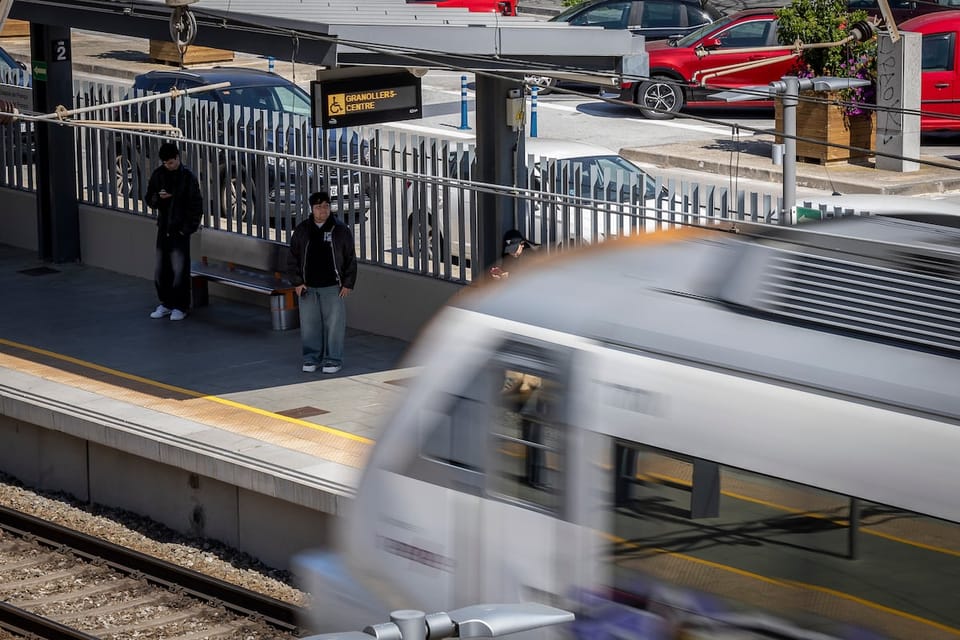
Trade unions UGT and CCOO have called for a strike across Catalonia's Rodalies commuter rail service on May 27 and June 5. They cite severe staff shortages and escalating safety concerns for both employees and passengers, warning of significant disruption for thousands of daily commuters.
The unions specifically highlight a critical lack of ticket inspectors, known as "interventores," who they say provide an essential layer of security on trains. Francisco Cárdenas, UGT's leader for Renfe Catalonia, stated, "Catalonia is the place with the most security problems in Spain. We are the most assaulted employees, the trains with the most vandalism, and even the lines where more suicides occur."
The planned industrial action involves partial stoppages during key commuting times. These will occur from 03:00 to 06:00, 06:00 to 09:00, and 17:00 to 20:00 on both strike days. These periods typically see high passenger volumes across the network, which serves Barcelona and its metropolitan area.
Mediation Efforts Underway
The unions formally announced the strike on Friday, May 17. Mediation talks will now start between the unions, the rail company Renfe, and the Catalan government (Generalitat) to seek an agreement before the strike dates. Notably, SMAF, the majority union for train drivers, has not yet joined the strike action, potentially limiting its overall impact.
Previous rail strikes, following serious accidents in Adamuz and Gelida, were called off after agreements were reached. These agreements included a requirement for every medium-distance train to have a ticket inspector on board. This precedent shows the importance placed on the role of these staff members.
Staff Shortages and Lost Bonuses
Mr Cárdenas explained the ongoing issue of understaffing. "Every short, medium, or long-distance train should have its inspector, but many are missing," he said. He added that staff mobility processes and promotions have left Catalonia without enough inspectors, and the company has not increased staffing levels to compensate.
In addition, the UGT leader warned that ticket office staff and inspectors have lost part of their salary bonuses due to the Rodalies crisis. Ticket office staff receive a percentage for each ticket sold, while inspectors earn a bonus for each fine issued to fare dodgers. This system directly links their earnings to ticket sales.
When the central government introduced free Renfe season tickets in July 2022 due to the energy crisis, these workers received compensation for their lost earnings. However, the current period of free travel, implemented after the Gelida accident from January 20 to May 9, does not include a similar supplement for these employee groups. This omission has caused significant financial strain for many.
"It is a small amount, 50 or 60 euros each month, but the company refuses to pay," Mr Cárdenas complained. He stressed that even these seemingly modest sums are important for workers facing rising living costs in Barcelona and Catalonia.
Rodalies Network Challenges
The Rodalies network, managed by Renfe and largely funded by the Generalitat, serves as a critical transport artery for the Barcelona metropolitan area and beyond. It connects major cities and towns across Catalonia, handling hundreds of thousands of journeys daily. The service has faced frequent criticism for delays, cancellations, and infrastructure issues over many years.
This latest strike action shows long-standing grievances regarding working conditions, staffing levels, and the perceived lack of investment in the network. Commuters often bear the brunt of these disputes, experiencing delays and overcrowding.
Potential Disruption for Commuters
If mediation efforts fail, Rodalies users face significant disruption from the planned industrial action. This strike highlights ongoing tensions over working conditions and safety within Catalonia's vital commuter rail network, potentially impacting travel plans for thousands.
Come and join our Barcelona English Speakers community on WhatsApp.
Originally published by El País Barcelona. Read original article.