

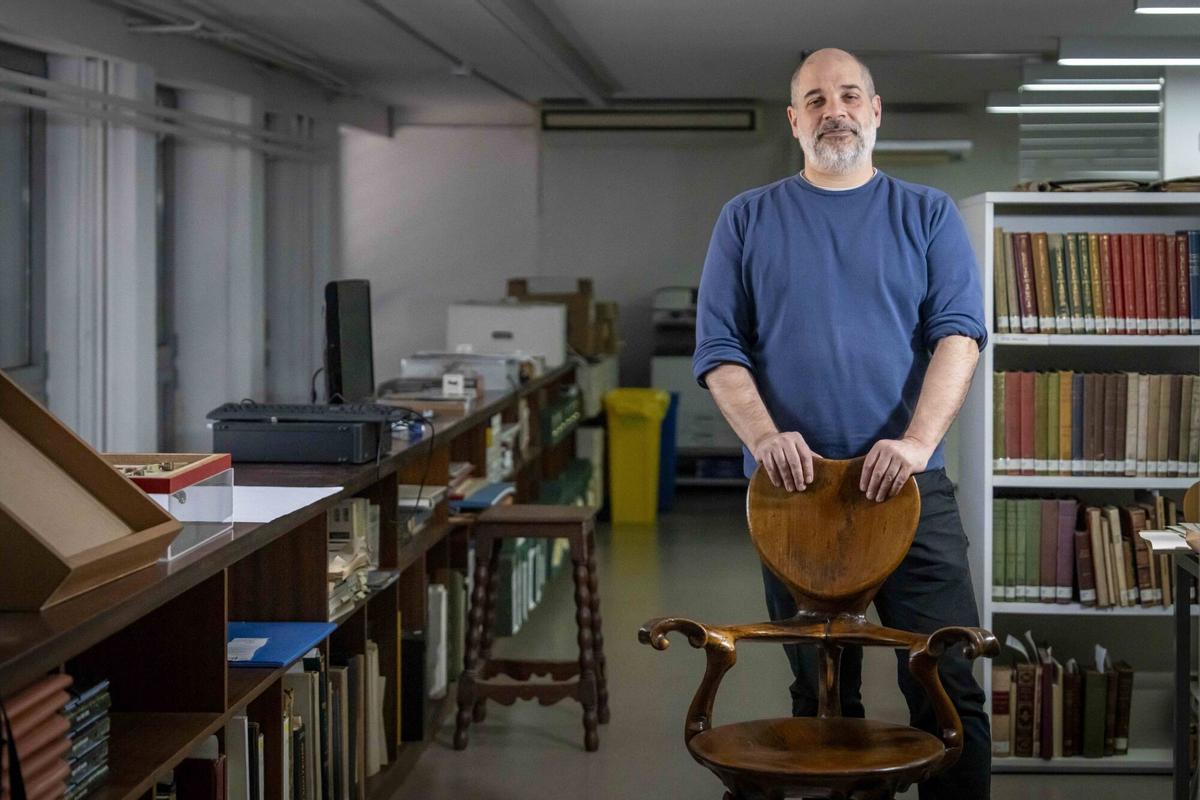
The Sagrada Família project remains faithful to Antoni Gaudí’s original vision, according to expert Galdric Santana. Therefore, critics claiming ongoing works betray the architect’s intentions ignore his specific instructions. Santana, an architect and modernist expert, argues Gaudí deliberately designed the basilica for completion by future generations.
Speaking in an interview marking the centenary of Gaudí’s death, Santana challenged debates about the basilica’s authenticity. He maintains the building’s structural logic was intended to guide successors. Consequently, the current construction represents a legitimate posthumous execution of Gaudí’s design.
Your browser does not support the video tag.
Home » Sagrada Família Project: Expert Defends Faithfulness to Gaudí’s Plans
The Sagrada Família Project: A Vertical Blueprint
Many critics argue construction has drifted from Gaudí’s methods. However, Santana insists the Sagrada Família project follows the architect’s vertical blueprint. Gaudí accepted he couldn’t finish the temple during his lifetime. Meanwhile, he employed a vertical construction system to leave completion instructions.
“He employed a construction system, not horizontal but vertical, precisely to leave instructions on how to finish the project,” Santana explained. He admits Gaudí “would surely change something” if alive today. Nevertheless, Santana maintains the Sagrada Família project stands as his definitive work.
Santana also dismissed the myth that Gaudí worked without plans. He described this idea as a “total fallacy.” In addition, he pointed to photographic evidence showing detailed documentation before much was lost during the Civil War.
Understanding the Sagrada Família Project’s Creator
Gaudí’s reputation wasn’t always secure. Santana recalled his university days, noting he wasn’t a traditional model student. His professor, Elies Rogent, remarked upon graduation: “We have given the title to a genius or a madman, time will tell.” Understanding his unique style benefits from examining other early 20th century architectural influences in Barcelona.
Tension with Rogent stemmed from Gaudí’s unconventional methods. On one occasion, Gaudí took a project home to finish because he lacked time. This violated rules requiring students to sleep at school to prove authorship. Despite being penalised, his final drawing for a monumental fountain in Plaça Catalunya proved extraordinary. Consequently, the faculty conceded his talent.
Political Context of the Sagrada Família Project
Beyond architecture, Santana highlighted Gaudí’s staunch Catalanism. This often put him at odds with authorities. Historical accounts document he refused to speak Spanish to visiting dignitaries. These included philosopher Miguel de Unamuno and potentially King Alfonso XIII.
This commitment led to legal trouble. Santana recounted an incident where police barricaded Sant Just i Pastor church to prevent a mass. When Gaudí attempted to enter, he was blocked and arrested. At the police station, he continued speaking only Catalan. A confused officer then asked how an architect could refuse to speak the state language.
Future of the Sagrada Família Project Legacy
As Barcelona marks Gaudí Year, Santana urged a shift from superficial interpretation. He expressed concern the architect has become a “brand” for tourism, stripped of historical context. The commemoration’s goal, he argued, must generate scientific content and rigorous analysis. This ensures Gaudí’s legacy is understood, not just consumed. Furthermore, this call aligns with Barcelona’s designation as World Capital of Architecture in 2026. The designation aims to highlight the city’s rich architectural heritage, including the ongoing Sagrada Família project.
Apply to join our community of Entrepreneurs, Senior Executives and Founders at Bizcelona .
