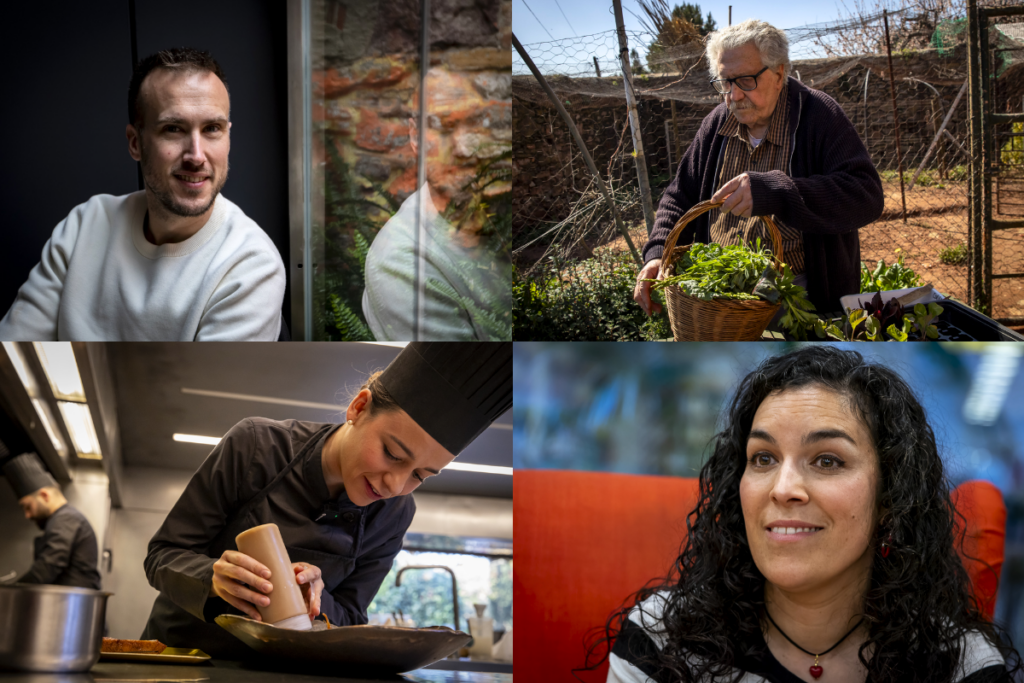
Barcelona prepares for Sant Jordi 2026 with a new selection of Catalan culinary books, offering insights into the region's rich gastronomic heritage, VilaWeb reported. These publications, ranging from historical recipes to chef biographies, highlight the deep connection between food and culture in Catalonia.
Sant Jordi, celebrated annually on 23 April, marks Catalonia's most romantic and literary day. Residents exchange books and roses, transforming streets into vibrant open-air book markets. This tradition underscores the importance of literature, including the growing genre of culinary writing, in Catalan society.
Exploring Catalan Flavours Through Literature
VilaWeb emphasised gastronomy as a fundamental part of Catalan culture, noting the increasing presence of cooking in literature. The editorial proposals for 2026 include a wide array of styles, featuring works by renowned chefs, food writers, academics, and journalists. These books aim to provide practical guides for gourmet readers and enrich culinary libraries, offering everything from detailed recipes to personal memoirs and anecdotal accounts of restaurants across the Catalan-speaking territories.
Spotlight on Barcelona's Culinary Voices
Several featured authors have strong connections to Barcelona's vibrant food scene. Ada Parellada Garrell, owner of the Semproniana restaurant in Esquerra de l'Eixample, presents "Els plats del dia" (The Daily Dishes). Her book compiles recipes, notes, and personal reflections from her three decades running the establishment. Parellada champions the daily menu as a symbol of resistance and community in an increasingly gentrified Barcelona, according to VilaWeb.
Arnau París Masip, a Barcelona native, also releases a new recipe book, "Cuina pim pam" (Quick and Easy Cooking). París gained prominence after winning the television programme MasterChef in 2021. He subsequently transitioned from a commercial role to a full-time culinary career. He will also become the new presenter for TV3's "Joc de cartes" (Card Game), a popular cooking competition show. Additionally, Josep Lluís Sabatés Ibáñez, known as Pep Salsetes, a Barcelona-born figure in traditional Catalan cuisine, publishes "Cuinem! Cuina catalana per a tota la família" (Let's Cook! Catalan Cuisine for the Whole Family). This illustrated volume encourages families to cook together, promoting seasonal produce and market culture.
Preserving and Innovating Culinary Heritage
The "Corpus de la cuina catalana" (Corpus of Catalan Cuisine) by the Institut del Patrimoni Culinari Català (Institute of Catalan Culinary Heritage) receives a new edition. First published in 2006, this comprehensive inventory details Catalan culinary heritage, explaining dishes and ingredients. The updated version incorporates over 300 new product entries, adding to nearly 1,200 existing recipes. Enric Herce, a chef and gastronomic writer, offers "Paisatge a la cassola" (Landscape in the Casserole), a sentimental journey through Catalonia's culinary memory, connecting food to identity and belonging. Martina Puigvert, head chef at the renowned les Cols restaurant in Olot, presents her first book, "Natura viva" (Living Nature), which reflects her restaurant's philosophy of deep connection to the land and seasonal products.
Diverse Approaches to Modern Cooking
Other notable releases include Clara Simó's "Amb dos fogons!" (With Two Hobs!), a recipe book promoting enjoyable, unpretentious home cooking. Jordi Roca Fontané, the youngest of the acclaimed Roca brothers from El Celler de Can Roca, publishes "Coses de casa" (Things from Home), offering inventive and playful recipes. Nutritionist Marina Ribas's "Fer brou per ser lliure" (Making Broth to Be Free) explores cooking as an act of love, memory, and resistance. Fra Valentí Serra's "Cuina vegetariana de sempre" (Traditional Vegetarian Cuisine) revives monastic culinary traditions, advocating for austerity and mindful eating, which resonate with contemporary vegetarianism.
These new literary offerings for Sant Jordi 2026 underscore the dynamic and evolving nature of Catalan gastronomy. They provide residents and visitors with opportunities to explore the region's rich food culture, from its historical roots to modern interpretations, further solidifying Catalonia's reputation as a culinary destination.
Come and join our Barcelona English Speakers community on WhatsApp.
Originally published by VilaWeb Feed. Read original article.