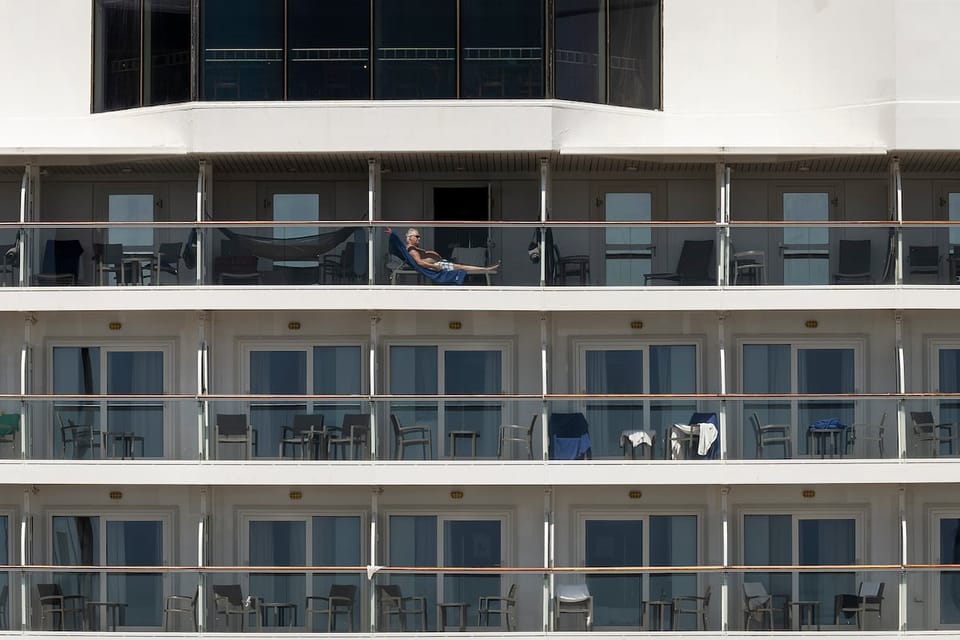
Barcelona is heading for another record summer of cruise tourism, even as the city council moves to limit growth and reduce pressure on the city centre. Large ships such as the MSC World Europa can carry up to 6,700 passengers, adding to concerns about overcrowding and pollution.
The council has agreed to cut the number of cruise terminals from seven to five. It has also proposed doubling the tourist tax for transit passengers, and Mayor Jaume Collboni has suggested stopping transit calls altogether, so only ships with Barcelona as their final destination or departure point would be allowed.
Collboni said transit tourism causes “tourist overcrowding and does not generate spending in the city”. He added that it “makes intensive use of public space and public services in the city, especially in the centre”. The Port of Barcelona says the agreement with the council is not a restriction on cruise arrivals, while campaigners from Stop Creuers Catalunya argue it does not go far enough. For more on the local debate, see our Community coverage and Sport updates.
The cruise sector has expanded sharply over the past 40 years. It carried 1.9 million transoceanic passengers in 1985, according to the article’s cited industry figures, and 37.2 million users last year, according to CLIA, the industry association. The sector was hit mainly by the COVID-19 pandemic, but demand has since recovered strongly.
Barcelona welcomes four million cruise passengers a year, including 1.7 million transit passengers who only stop briefly. The industry says cruises support 9,000 jobs and contribute €562 million to Catalonia’s GDP. It also says each passenger spends €230 a day in the city, and that tourist tax receipts could exceed €18 million this financial year and reach €26 million next year.
Those claims are disputed by other researchers. A University of Bergen report says tourists often spend less than official estimates because they stay on board for meals and only take short excursions. Arnau Carreño, a researcher at the University of Girona, said transit tourists are in the city for a maximum of 24 hours and tend to concentrate in a few areas. Environmental concerns remain central too, with Transport & Environment saying cruise fuel can contain sulphur at levels far above the European standard for cars and that European waters saw more than eight million tonnes of CO₂ from cruises in 2022. The Port of Barcelona says cruises account for 1.3% of the city’s total CO₂ emissions and points to cleaner fuels and shore-power readiness.