The European Investment Bank (EIB) and the Government of Catalonia signed a €300 million loan on Wednesday, 22 April, to finance the crucial extension of Barcelona's FGC L8 line. This significant investment will connect the city's two main Catalan Government Railways (FGC) networks, which have operated separately for decades.
This historic expansion addresses a long-standing challenge in Barcelona's public transport system. It will finally link the Llobregat-Anoia line with the Vallès line, creating a unified and more efficient rail network for residents and commuters.
The project involves constructing a new tunnel directly through the city centre. This strategic route will connect the existing Plaça Espanya station with Gràcia station, passing beneath the densely populated Esquerra de l'Eixample district.
Enhancing Urban Connectivity with New Stations
The extension will introduce two brand-new stations to the FGC network. These new stops, Hospital Clínic and Francesc Macià, will provide direct rail access to vital areas. These include major commercial zones, significant employment hubs, and the important Hospital Clínic medical complex.
Currently, these areas primarily rely on bus services or the tram network. The new FGC stations will offer a faster, more direct public transport option, significantly reducing travel times for thousands of daily users.
Furthermore, the existing Gràcia station will undergo extensive renovation and expansion. It will transform into a major intermodal interchange, seamlessly connecting the Llobregat and Vallès lines. This hub will facilitate easier transfers across different transport modes.
Project Funding and Revised Timeline
The total cost for this ambitious engineering project amounts to €412 million. The €300 million loan from the European Investment Bank covers the majority of this investment. It comes with favourable financial terms for the Catalan administration.
These terms include a maximum repayment period of 30 years and a six-year grace period. The agreement also offers flexibility for payments, allowing for either semi-annual or annual instalments.
Initially, the Government of Catalonia announced the new section would open in 2029. However, the latest projections now anticipate the definitive inauguration of the extension in 2030.
Current Progress on Construction Works
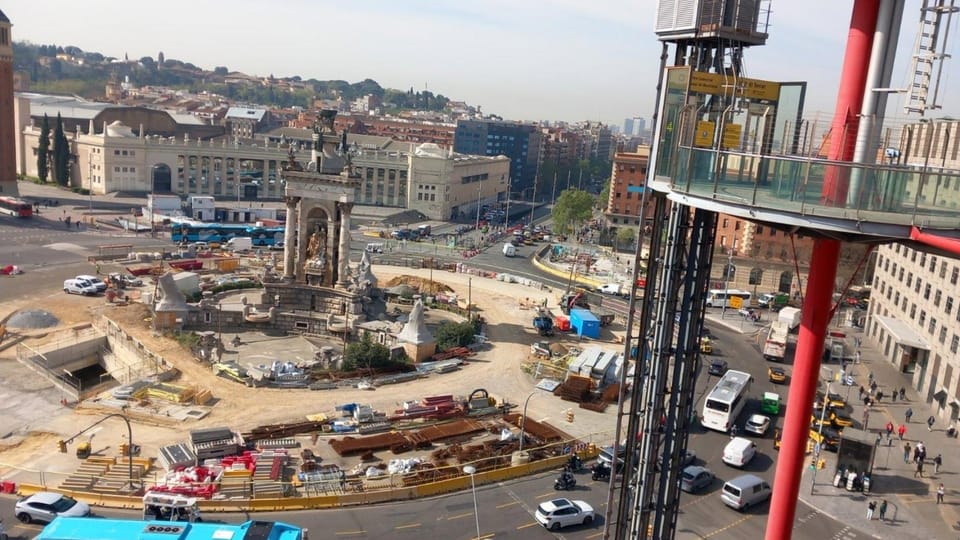
Construction work is already visible at several locations across the city. Contractors are currently undertaking preparatory tasks before the introduction of the tunnel boring machine. This heavy machinery will excavate the underground route.
Concurrently, crews are advancing with the excavation of shafts for the future stations. They are also preparing a dedicated gallery. This gallery will extract and transport the soil generated by the new tunnel to a logistics area established in Parc Joan Miró.
This significant infrastructure upgrade will profoundly reshape Barcelona's public transport landscape. It promises enhanced connectivity and improved daily commutes for countless residents and visitors, solidifying the city's commitment to sustainable urban mobility.
Sign up for our new entrepreneurs community Bizcelona, now accepting our second wave of applicants.
Originally published by Metrópoli Abierta - Urban Life. Read original article.