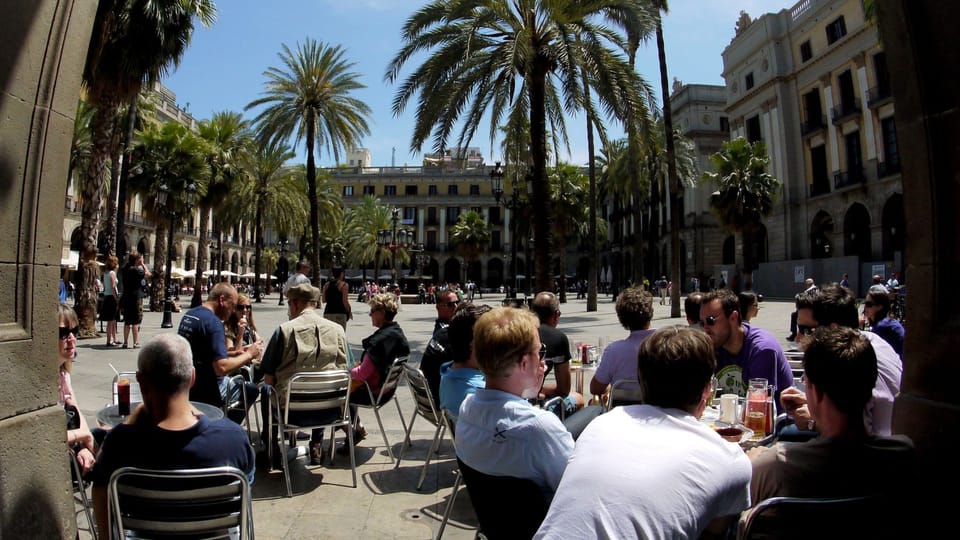
Barcelona City Council expects to collect €5.9 million in terrace taxes by 2026 from nearly 7,000 restaurateurs across the city. The forecast follows the rollout of a variable tax system that was one of the main political issues for Mayor Jaume Collboni’s administration.
The tax model, approved two years ago, sets fees according to location and the number of tables and chairs. It was agreed through a pact between the Socialist Party of Catalonia (PSC) and TriasxBCN, now Junts. The council’s 2026 income estimate is higher than earlier forecasts, showing how much these charges matter for local businesses.
In Barcelona’s Ciutat Vella district, the Rambla is also set for major changes once renovation works finish. Under the new rules, terraces will be placed between tree pits and along the sides of the central promenade, according to the city’s Rambla renovation works page. The aim is to leave more room for pedestrians on the busy street.
The Rambla will also have a single visual code for all terraces. The number of tables will fall by about 60, which will reduce the City Council’s income from the area. In 2025, the Rambla brought in €276,000 in terrace taxes. From 2026, that figure is expected to drop to €241,000, a fall of €35,000.
For Barcelona’s restaurateurs, the wider tax system means prime locations, such as the Rambla, pay more. The changes also show how planning decisions affect both business operations and city revenue. For more local coverage, see our Community and Sport pages.
The council says it will keep monitoring the impact of the terrace rules and the income they generate. The Rambla changes are part of a broader effort to reclaim public space and standardise the look of terraces in Barcelona.
Originally published by betevé. Read original article.