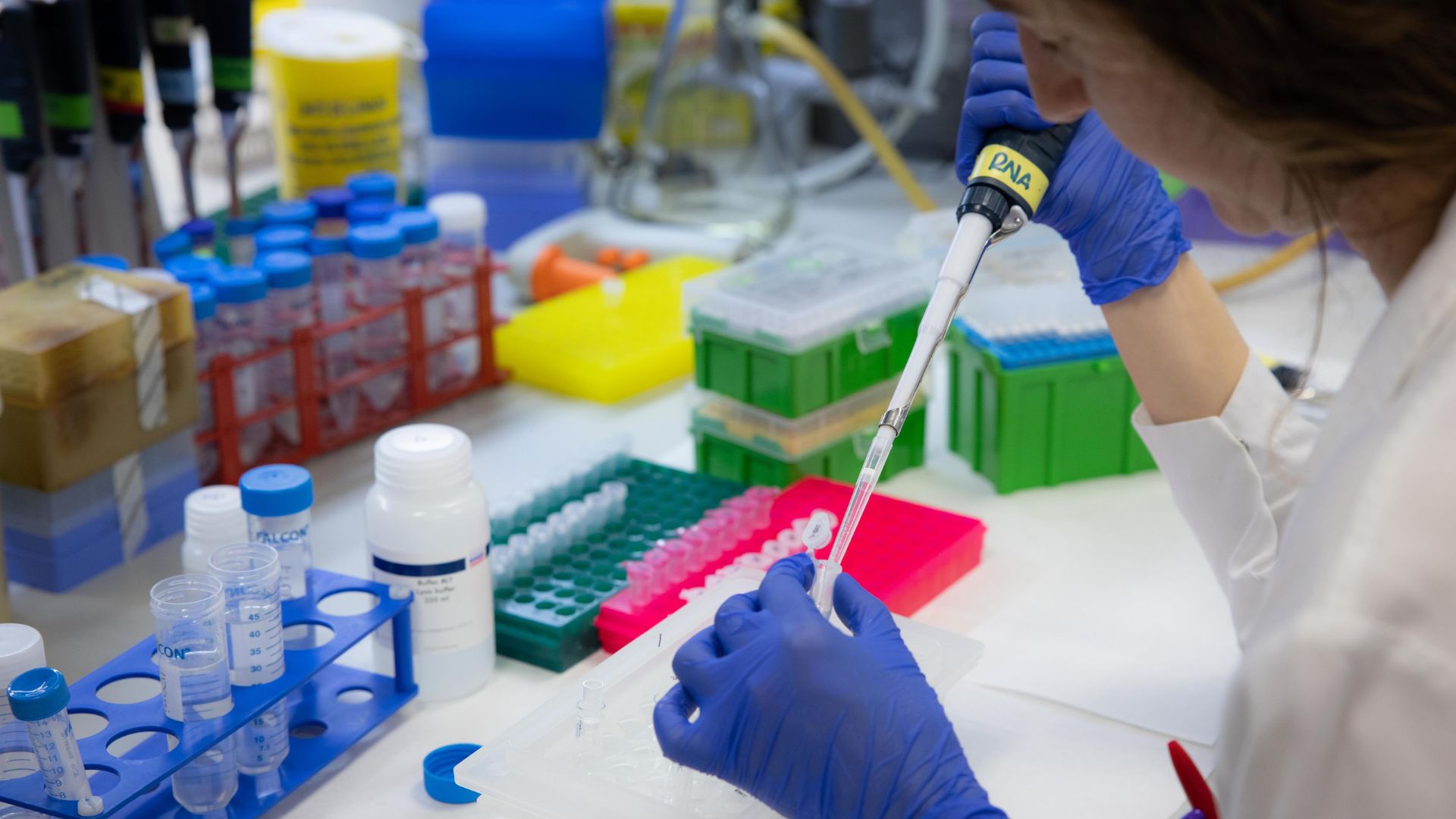
Vall d'Hebron Institut d'Oncologia (VHIO) has launched a clinical trial of advanced CAR-T therapy, a treatment that genetically modifies cells to attack cancer. The therapy will be tested in patients with solid tumours that are positive for the HER2 protein, which is present in approximately 20 per cent of breast cancers, one in five gastrohepatric cancers, and one in 20 colon cancers.
CAR-T therapy selectively targets cancerous cells whilst leaving healthy tissue untouched. The treatment is already approved and shows strong results for blood cancers such as leukaemias in relapsed patients, but remains largely undeveloped for solid tumours.
Laboratory Results Promise
Joaquín Arribas, head of the Growth Factors Group at VHIO and director of Mar Hospital's Research Institute, said: "Laboratory experiments in mice have been very positive; we have seen complete responses with tumours disappearing and no side effects; we now hope to confirm this in humans."
The clinical trial will initially enrol approximately 15 patients, with results expected within two years. Researchers anticipate the data will confirm whether this strategy is effective for solid tumour treatment.
Treatment Requirements
Irene Braña, senior researcher at VHIO's Molecular Cancer Therapy Research Unit (UITM-CaixaResearch), explained to EFE that the advanced therapy is indicated only for patients who have exhausted conventional approved treatments without achieving improvement. Patients must also be capable of tolerating the therapy, as chemotherapy must be administered before CAR-T treatment begins.
The trial represents a significant step towards expanding CAR-T applications beyond blood cancers, potentially offering hope to patients with solid tumours where conventional treatments have failed.