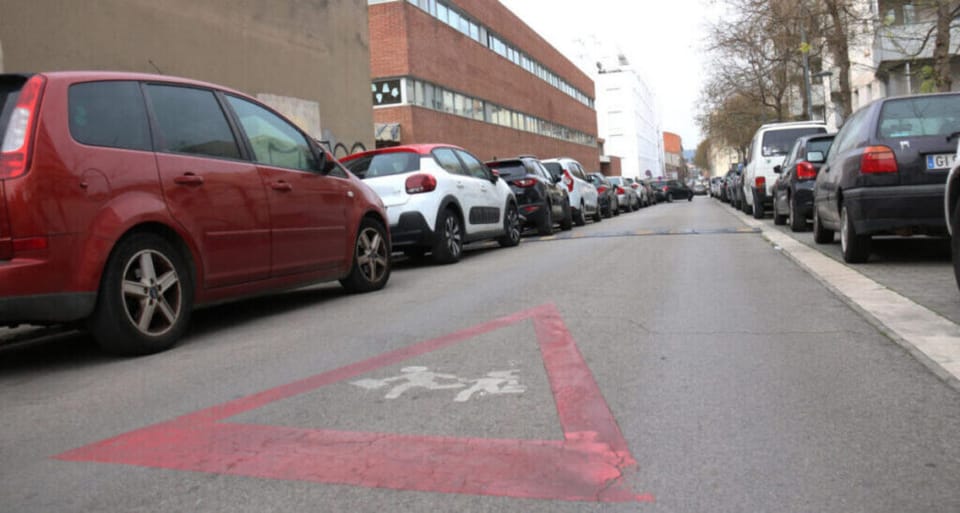
Children attending schools across Catalonia are breathing air with pollution levels that significantly exceed recommended and legal limits, a new study by Ecologistes en Acció has found. This toxic air, primarily from vehicle emissions, poses serious health risks to young students, including respiratory illnesses and developmental issues.
The report analysed nitrogen dioxide (NO₂) emissions in school environments throughout Catalonia, confirming long-held public concerns about air quality in busy urban areas. It highlights that nearly half of childhood asthma and bronchitis cases stem from traffic pollution, directly impacting children's health and cognitive development.
Ecologistes en Acció's findings indicate that many schools, especially those near major roads, expose children to dangerous levels of pollutants. The study attributes the main origin of this pollutant to motor vehicle combustion gas emissions. It states, "Schools with higher levels stand near urban motorways or major roads, according to European air pollution and child health. In contrast, school environments with better air quality correspond to pedestrian spaces or with low car circulation, which shows that the margin for improvement is very high."
Health Risks for Children
The health implications for children are particularly severe. Exposure to high levels of nitrogen dioxide can lead to chronic respiratory diseases like asthma and bronchitis. Additionally, it can hinder cognitive development, affecting a significant number of children in Catalonia. The World Health Organisation (WHO) recommends a maximum annual average of 10 micrograms per cubic metre (µg/m³) for nitrogen dioxide.
However, many school zones in Catalonia surpass this guideline. The European Union aims for a 20 µg/m³ limit by 2030, while the current legal limit stands at 40 µg/m³. The Ecologistes en Acció study found that some schools even exceed this legal threshold, putting children at constant risk during their school day.
Sabadell's High Pollution Levels
The Vallès region, north of Barcelona, contains almost 40% of the most polluted school environments identified in the report. Sabadell, a city in the Vallès Occidental comarca, hosts the school with the highest recorded pollution levels in the entire study. Escola Mare de Déu de la Salut, located on Sabadell's Gran Via, a primary traffic artery, registers levels above the legal limit.
This situation means children attending this school are exposed to air pollution that is four times higher than the WHO recommendation and exceeds current EU legal standards. The Gran Via acts as a barrier, emitting excessive noise and nitrogen dioxide, despite existing pedestrian crossings and speed limits. Effective remedies for this specific location remain absent.
Urgent Call for Policy Change
The Ecologistes en Acció report proposes several common-sense measures to address the issue. These include expanding Low Emission Zones (ZBE), halting and discarding large-scale road infrastructure projects like the Quart Cinturó, and significantly improving public transport. These actions are interdependent; better public transport is essential for reducing reliance on private vehicles.
Further recommendations involve creating safe school paths, prioritising public transport, car-sharing, cycling, and walking. Transforming streets around schools into play areas or green spaces instead of car parks is also suggested. Real traffic calming measures, such as restricting traffic during school drop-off and pick-up times, limiting speeds, and adding more green infrastructure like trees and vertical gardens, are critical.
These changes would not only benefit children but also improve the quality of life for all residents. Cities still build around vehicles, with cars often dominating streets and pavements. This inertia must change urgently to prioritise public health and create healthier urban environments for everyone.
Sign up for our new entrepreneurs community Bizcelona, now accepting our second wave of applicants.
Originally published by VilaWeb Feed. Read original article.