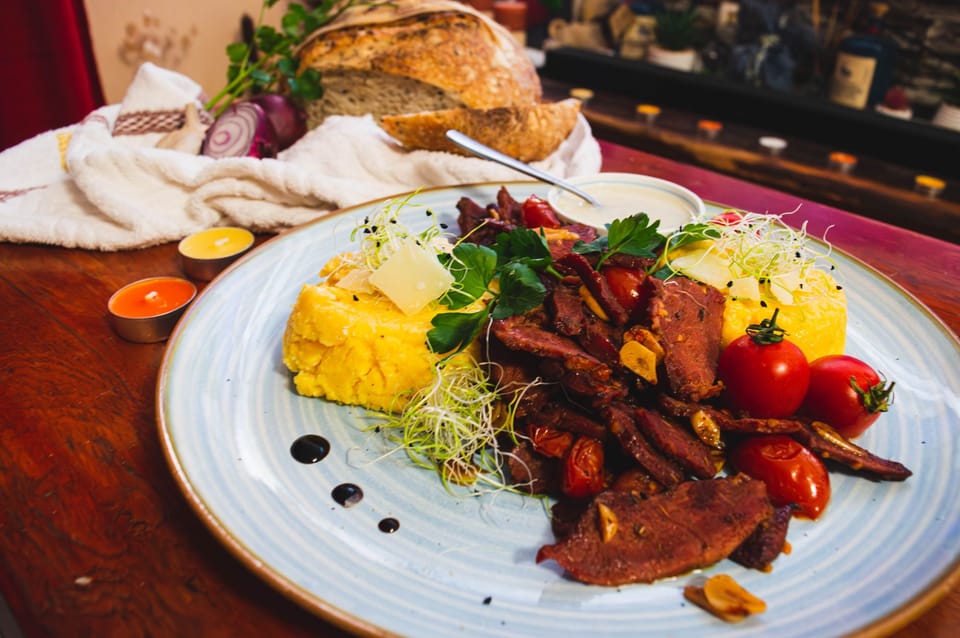
In Sants, La Mama Acasa has spent 10 years serving Romanian food at Guitard, 41, and that makes it a useful stop for anyone who wants a hearty lunch, a familiar taste of home, or a meal that feels different from the usual Barcelona menu. By the end of this guide, you will know what the restaurant is known for, which dishes are the safest first order, and why its style of cooking fits Barcelona better than you might expect.
Key takeaways
La Mama Acasa is best for people who want traditional Romanian dishes, especially soups, sarmale, mici and papanasi. It is less about light eating and more about food built around meat, corn and slow, filling recipes. If you are choosing where to eat in Sants, think of it as a place for a proper sit-down meal rather than a quick snack.
What makes the menu different in Barcelona?
Owner Vladimir Anghel describes Romanian food as “caloric, very powerful, designed for the cold”, and that is the clearest way to understand the kitchen. Meat and vegetables sit at the centre of the menu, with corn also playing a major role. In Barcelona terms, that means the food is substantial enough for a long lunch, especially if you are eating after work, with family, or on a day when you want something more filling than tapas.
The restaurant’s soups are a good example. Midday bowls such as tripe, meatballs and smoked rib are still popular even in August, which tells you something important about the place: this is not a seasonal novelty, but a steady neighbourhood restaurant with a loyal audience. For readers who live in Barcelona year-round, that matters, because many places thin out in mid-summer, while a menu built on regulars can stay consistent.
Which dishes should you order first?
If you are new to Romanian food, start with sarmale, the cabbage rolls filled with meat and rice, and mici, grilled minced meat rolls made from beef, pork or lamb. Both are classic dishes and both give you a clear read on the kitchen without needing to know the whole cuisine first.
Ask for mamaliga alongside them. It is a polenta-like dish made from corn flour and is treated as a national symbol in Romania. The article’s historical note matters here too: corn became a staple after the 1989 regime of Nicolae Ceausescu, when grain reserves were used to pay off external debt and wheat was left in short supply. In practical terms, that means mamaliga is not just a side dish, it is part of how the cuisine adapted to scarcity and stayed rooted in everyday life.
| If you want... | Order this |
|---|---|
| A first taste of the kitchen | Sarmale with mamaliga |
| Something grilled and direct | Mici |
| A sweet finish | Papanasi |
| A stronger drink | Visinata or palinca |
Is it a good fit for Barcelona routines?
Yes, especially if you live or work near Sants and want a lunch that feels like a proper meal rather than a rushed stop. Barcelona’s neighbourhood rhythm still matters here: many places are quieter in the middle of the day outside the main lunch window, and a restaurant with a clear identity can be easier to choose than a broad, all-purpose menu.
La Mama Acasa also makes its desserts by hand, including papanasi, doughnut-shaped pastries made with fresh cheese, flour and egg, then fried and served warm with sour cream and jam. That makes it a better choice for people who want to stay for dessert, not just pass through. The drinks list follows the same logic, with visinata, a sweet cherry liqueur, and palinca, a plum spirit that can reach up to 60 per cent alcohol.
What should you know before you go?
The most useful thing to know is that this is a restaurant with a clear culinary identity, not a place trying to please everyone. That is a strength if you want Romanian food done in a traditional way, but it also means the menu is built around richer dishes and stronger flavours. If you are eating with a mixed group, it helps to agree in advance whether you want a full meal, a shared lunch, or just dessert and drinks.
For Barcelona readers, the local lesson is simple: Sants has more than transit and commuter traffic. It also has long-running neighbourhood businesses that serve specific communities well, and La Mama Acasa is one of them. Originally reported by betevé, with the source article available here. For more Barcelona neighbourhood coverage, see our Community tag.