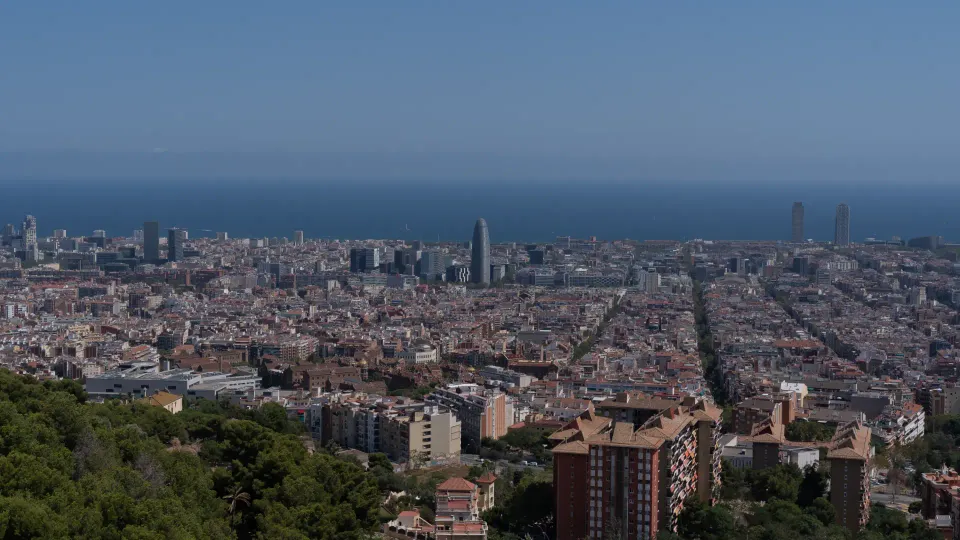
Les Tres Torres, a discreet enclave within Barcelona's Sarrià-Sant Gervasi district, holds the distinction of being the city's wealthiest neighbourhood. Its residents earn an average annual income exceeding €32,900, placing it consistently at the top of economic indicators.
This figure, reported by the Statistical Institute of Catalonia (Idescat), positions Les Tres Torres ahead of other areas traditionally associated with luxury. The neighbourhood maintains an exclusive residential model, characterised by tranquil streets and high-level services. This quiet affluence contrasts with more publicly known upscale districts.
A Century of Exclusive Development
Les Tres Torres began as a peripheral area between 1901 and 1903. It developed on land then distant from the urban core of Sant Gervasi, near the border with Sarrià. Three neighbours, the Romaní and Climent Mas brothers, drove its initial urbanisation. They constructed three towers, one for each, on the former Nena Cases estate. These original buildings not only started the neighbourhood but also gave it its enduring name. This replaced an earlier late 19th-century place name.
Over time, the area expanded with new stately towers. However, the initial landscape changed significantly during the second half of the 20th century. Many of these original homes gave way to high-standing residential buildings. This transformation shaped the neighbourhood's current profile. One of the original towers, though modified, still stands at the corner of Via Augusta and Doctor Roux. This detail offers a glimpse into the area's historical identity.
Connectivity and Community Growth
The neighbourhood's growth was not solely residential. Railway stations arrived between 1906 and 1916. First came the Sarrià train, followed by the Les Planes line, now part of Ferrocarrils de la Generalitat de Catalunya (FGC). This improved connection was critical in establishing Les Tres Torres as a well-communicated residential zone. It allowed residents easier access to other parts of Barcelona.
The area also fostered social and sporting life. During the first half of the 20th century, several vacant plots became improvised football fields. The most notable was the Club Tres Torres, based on Milanesat street. This club marked a period before intensive urbanisation took hold. These community spaces helped build a strong local identity.
Modern Urban Structure and Discreet Luxury
Today, the urban structure combines an older core around the market and streets like Vergós or Escoles Pies. It also features more modern areas with open buildings and taller blocks. The Can Ràbia sector, redeveloped after the former Espanyol football field disappeared, adds to this mix. This blend creates a unique residential environment.
The luxury in Les Tres Torres is not ostentatious; it is structural. The neighbourhood offers quiet streets, ample green spaces, large homes, and high-level services. This model explains why Les Tres Torres continues to lead Barcelona in income. It does so without attracting significant media attention.
Les Tres Torres exemplifies a distinct type of urban affluence in Barcelona. Its blend of historical roots, strong connectivity, and a focus on quality of life ensures its continued status. The neighbourhood remains a prime example of exclusive residential living within the city.
Come and join our Barcelona English Speakers community on WhatsApp.
Originally published by 20 Minutos Barcelona. Read original article.