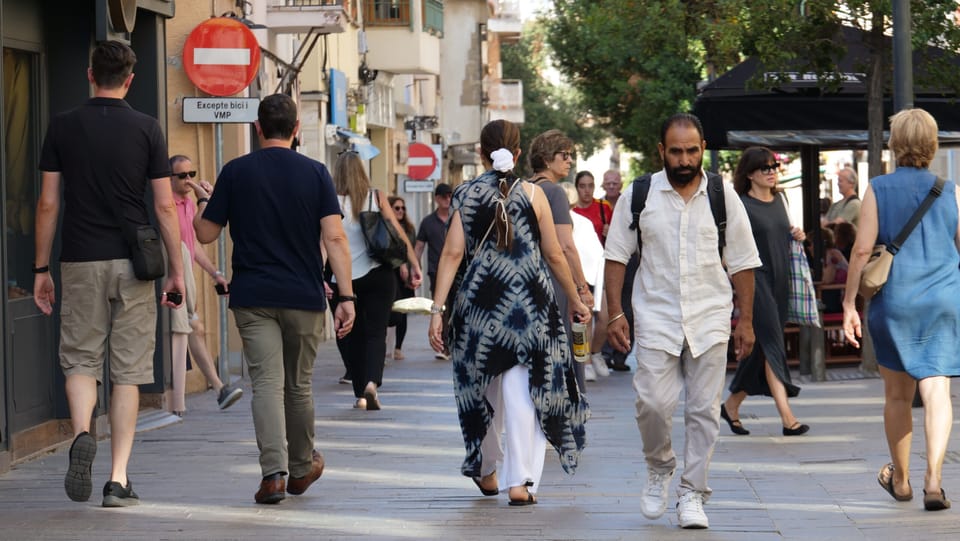
Catalonia's major cities, including Barcelona and L'Hospitalet de Llobregat, are experiencing a significant exodus of residents. The region recorded 282,739 internal changes of residence in 2024, marking the highest figure since 2006. This substantial population shift sees residents moving from larger urban centres to intermediate cities and smaller municipalities across Catalonia, primarily driven by housing accessibility.
Sant Cugat Leads Internal Migration Losses
Sant Cugat del Vallès registered a net internal migration loss of 824 people in 2024. This figure ranks among the most negative balances in Catalonia, behind only Barcelona and L'Hospitalet de Llobregat. This trend highlights a broader redistribution of population across the territory. Municipalities with over 50,000 inhabitants collectively lost 15,785 residents through internal migration, according to data from the Institut d'Estadística de Catalunya (Idescat). Meanwhile, smaller towns gained population.
Foreign nationals accounted for nearly one-third of all inter-municipal residence changes in Catalonia during 2024. This demographic group represented 32.7% of movements, despite comprising only 18.7% of the total population. This indicates a high degree of mobility within this community. The majority of these shifts, 57.3%, occurred between different comarcas, while 42.7% took place within the same comarca.
Intermediate Cities Attract New Residents
Several intermediate cities recorded positive internal migration balances, successfully attracting residents from more densely populated areas. Terrassa saw the largest gain with 1,470 people. Vilanova i la Geltrú followed with 691 new residents, Badalona with 601, and Sabadell with 554. Other municipalities like Cunit and Sant Joan Despí also experienced positive growth. These areas generally offer less residential pressure compared to major urban centres. This pattern suggests that housing affordability plays a crucial role in these migration decisions.
Barcelona and Barcelonès Experience Outflow
The Barcelonès comarca, which encompasses Barcelona city, registered significant population losses to other parts of Catalonia. This contributes to a broader pattern where major cities struggle to retain residents. Younger adults, in particular, often seek more accessible living conditions elsewhere. Sant Cugat, for instance, exhibits a relatively lower proportion of young adults compared to other age groups. This demographic structure aligns with the outward migration dynamic observed in the region.
This negative balance in Sant Cugat is not an isolated incident. Demographic data shows the municipality has a relatively smaller proportion of young adults. Conversely, it has a high proportion of residents aged 0 to 15 years, at 18.65%. This indicates a significant presence of family households. This demographic makeup contributes to a city model with a substantial presence of families with children and middle-aged residents. Other age groups tend to relocate to municipalities offering different conditions.
Catalonia's Overall Population Growth
Despite these internal shifts, Catalonia's overall population continues to grow. International migration primarily drives this growth. In 2024, the total migration balance reached 122,593 people, marking the second-highest figure in 17 years. Arrivals from abroad largely fuel this increase. This external growth coexists with the internal territorial redistribution, reflecting varying residential opportunities across Catalonia's municipalities. This ongoing dynamic will likely continue to reshape the demographic landscape of Barcelona and its surrounding areas.
Sign up for our new entrepreneurs community Bizcelona, now accepting our second wave of applicants.
Originally published by Sant Cugat del Vallès. Read original article.