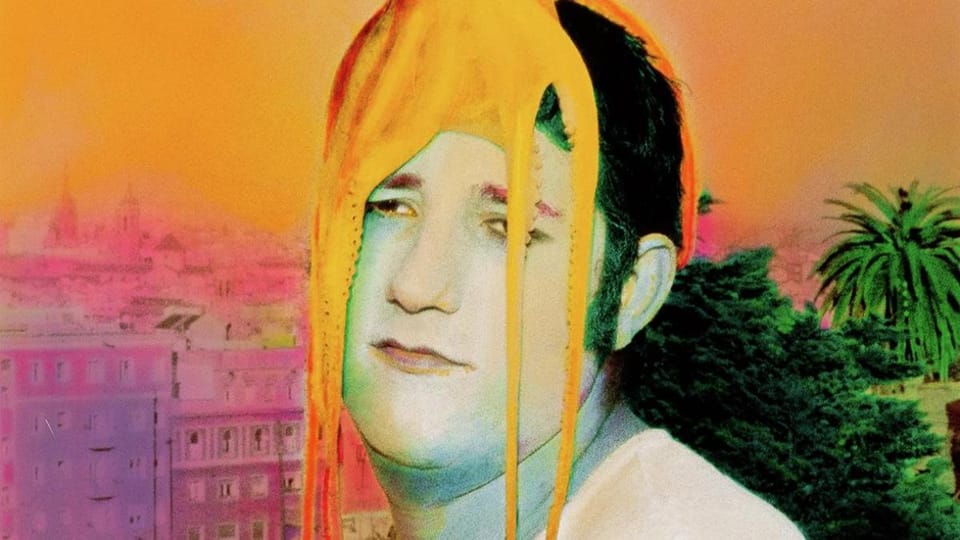
A new exhibition at the RocíoSantaCruz gallery in Barcelona is exploring the formative years of Ouka Leele, the celebrated artist known for her role in the Movida madrileña. Titled 'Ouka Leele. Barcelona 1978, 1980', the display traces her artistic beginnings in the city where she developed her distinctive style of painted photographs.
Born Bárbara Allende Gil de Biedma in 1957, she adopted the name Ouka Leele shortly after arriving in Barcelona in August 1978. She took the name from an invented star in a comic by her then-partner, the painter and illustrator El Hortelano. This period marked a significant personal and artistic transformation for the 21-year-old.
Forging a Unique Artistic Style
Barcelona provided Ouka Leele with a space of freedom and creativity, allowing her to find her personal artistic signature. Here, she created her first series of painted photographs, 'Peluquería' (Hairdressing). The exhibition features portraits of her friends, their heads adorned with surreal objects like octopuses, syringes, lemons, bottles, records, hairdryers, or turtles, resembling saintly images.
Pepe Ribas, a key figure from the cultural magazine Ajoblanco, recalls the vibrant atmosphere. "It was cosmopolitan, creative, free, independent Barcelona, where everyone was together," Ribas stated. He added, "Pep Rigol, a photographer and art critic from the Ajoblanco team, even cut wood in the garden so they could light a fire because they had no money." The exhibition draws material from the personal archive of María Rosenfeldt, Ouka Leele's daughter, and previously unpublished documents from Ribas's archive.
Iconic Works and Unseen Moments
The exhibition includes the story behind one of Ouka Leele's most celebrated photographs, 'Fellini with an octopus on his head'. She explained in a written account how she photographed a friend, a puppeteer who crafted his figures from found objects. The session took place at a tower in Pasaje Martras on Montjuïc, behind the Grec Theatre, where she lived with El Hortelano and Ceesepe.
During the 'Fellini' photo shoot, Ouka Leele also filmed a Super 8 movie. This film shows the model posing sensually in underwear, then cutting his hair, which resembles the octopus's tentacles, and watching them fall. He then eats the octopus. This performance inspired a full-length film, sharing the series' title, which also features in the gallery. Rocío Santa Cruz, the gallery owner, marvels at the era's freedom. "Incredible, today something like that would be very difficult," she remarked. The exhibition also shows contact sheets, hinting at the making of these pre-Photoshop images.
Barcelona's Cultural Legacy
Ouka Leele herself confessed to her daughter in an interview that coming to Barcelona felt like going abroad, a more modern and free world. She met many influential figures here, including Mariscal, Nazario, Juanjo Fernández (editor of STAR magazine), Peret, María Espeus, Pepichek, and Pàmies. She even attended an exhibition opening for El Hortelano at René Metrás in 1980, arriving dressed as a nurse in a blaring ambulance.
However, a personal tragedy, the death of El Hortelano's brother on the Rambla, contributed to their eventual departure from Barcelona. Ouka Leele left the city permanently in April 1980 after doctors diagnosed her with cancer. Pepe Ribas stresses the importance of recognising Barcelona's role as a school for Spanish culture. "This is an important chapter of that Barcelona, a school for all Spanish culture, and we must reclaim it if we do not want it to end up in Madrid or the Archivo Lafuente," he urged.
The 'Ouka Leele. Barcelona 1978, 1980' exhibition offers a vital look into the origins of a unique artistic voice. It highlights Barcelona's significant contribution to a pivotal period in Spanish cultural history, ensuring her formative years in the city receive due recognition.
Sign up for our new entrepreneurs community Bizcelona, now accepting our second wave of applicants.
Originally published by La Vanguardia Catalonia. Read original article.