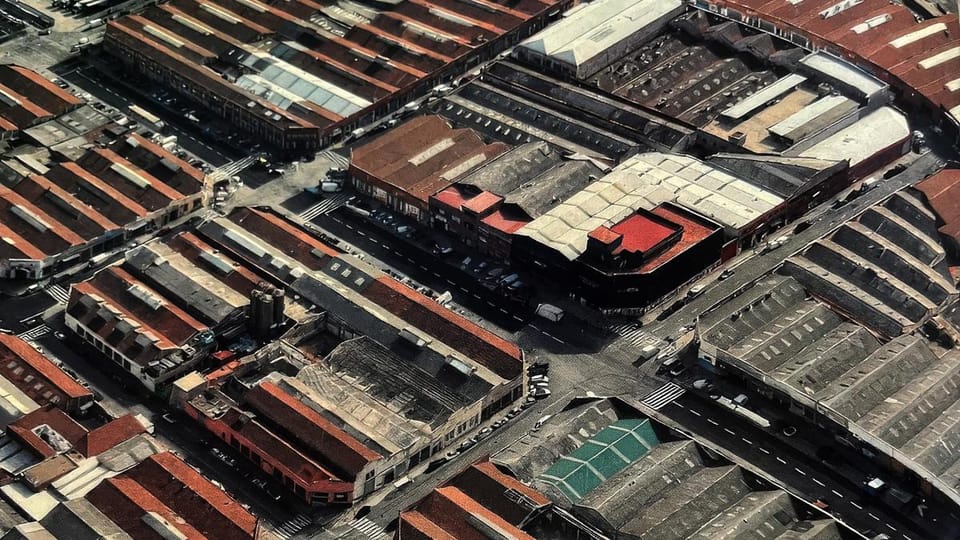
Sant Adrià de Besòs has unveiled a strategic "Agenda for Economic Activity Estates" document. This plan outlines the transformation of its three industrial zones, Montsolís, La Verneda, and El Sot. The initiative aims to integrate the 56-hectare area into the urban fabric. It will drive economic and social development across the wider Barcelona metropolitan area.
Mayor Filo Cañete highlighted the project's broad appeal, stating it represents "a new metropolitan centrality around the Besòs river with territorial leadership capacity." The plan seeks to revitalise these estates, which currently comprise 305 cadastral plots and maintain a nearly 90% occupancy rate despite their degraded appearance. Víctor Álvarez, a business competitiveness technician from the Àrea Metropolitana de Barcelona (AMB), noted these are the only industrial estates in the zone with a metro stop. He emphasised that the planned transformation will combine urban planning, economic promotion, and housing into an integrated model.
The estates boast a strategic location, offering direct connections to major transport routes such as the C-31 motorway and the Ronda Litoral ring road. Additionally, residents and businesses benefit from excellent public transport access. All areas lie within a 500-metre radius of a metro station, tram stop, or several bus lines. This connectivity positions Sant Adrià's industrial zones favourably within the Barcelona metropolitan region.
Driving Economic Growth and Innovation
Councillor Jose Gras, Deputy Mayor for Sustainable Territory and the official responsible for drafting the document, explained the agenda's conceptual framework. It centres on an innovation triangle formed by the Campus Diagonal Besòs, the Verneda-Bon Pastor Production Hub, and the Catalunya Media City Digital Audiovisual Hub. This last project, Catalunya Media City, acts as a significant draw, already attracting other facilities like a new data centre to the area.
Gras issued a warning, stating that if the municipality cannot manage the ongoing transformation effectively, "market dynamics will end up imposing themselves before planning does." This could lead to a loss of control over the types of economic activities established in the area. The agenda addresses this risk by deploying six strategic axes designed to guide the changes.
Key Strategic Axes and Actions
These axes cover a range of critical areas, from necessary urban planning modifications to accommodate new production methods, to energy transition and improved mobility. Urbanistically, the plan proposes promoting urban industry with active facades, new public facilities, and community meeting spaces. For mobility, the plan aims to resolve problematic areas. These include the connection across the railway barrier and heavy lorry traffic affecting the La Catalana neighbourhood.
In terms of energy, the agenda plans to expand photovoltaic panel installations and use the phreatic water network for industrial purposes. It also includes relocating the Tres Chimeneas substation to a better-integrated site within the industrial estate. Local economic development efforts include creating a business support office and promoting public industrial land. This strategy aims to prevent the gentrification of economic activities and boost the ARIE programme for retaining and attracting investments.
Future Outlook and European Funding
The governance axis proposes establishing a supramunicipal board for the Baix Besòs industrial estates, reinstating the role of a mobility manager, and fostering an energy community. The action plan details 16 specific initiatives distributed across these six axes. This document also serves as a critical tool for securing European funds and resources. Sant Adrià already has a reputation in Europe for its urban transformation projects.
Sign up for our new entrepreneurs community Bizcelona, now accepting our second wave of applicants.
Originally published by La Vanguardia Catalonia. Read original article.