Barcelona's annual Sant Jordi celebrations will undergo significant changes this year, with traditional book and rose stalls relocating from La Rambla due to ongoing renovation works. This beloved cultural event, a cornerstone of Catalan identity, which combines literature and romance, will adapt its footprint across the city.
New Locations and Increased Stalls
Stalls typically found on the iconic promenade, currently undergoing a multi-year transformation, will now occupy new central locations, including Portal de l'Àngel, Plaça Nova, and Plaça de la Catedral. The city will host over 6,000 book and rose stalls across 12 designated areas in seven districts, marking a two per cent increase from last year. These new arrangements aim to maintain the festive atmosphere despite the absence of La Rambla, a historic hub for the celebration and a major tourist thoroughfare.
Combating Unlicensed Vendors
The Barcelona City Police (Guàrdia Urbana) will deploy 227 officers and 207 private security assistants to manage the event. Their primary focus includes combating unlicensed street vendors, with three to four patrols dedicated to this task each morning and afternoon. Fines for illegal street vending, considered a civic offence under the new civic ordinance, stand at €360. This robust enforcement aims to protect legitimate businesses and ensure fair competition during the busy day, particularly for professional florists and booksellers.
Florists Express Concerns
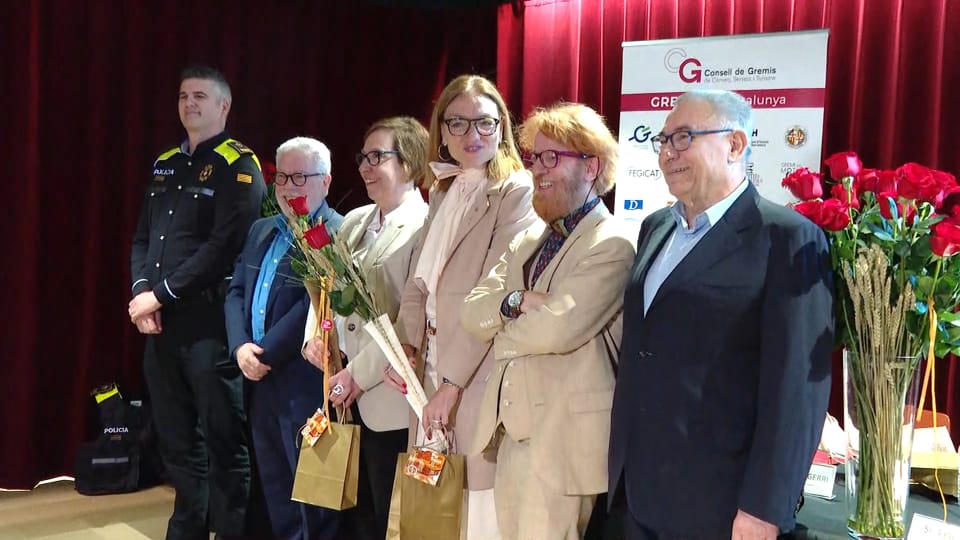
Joan Guillén, President of the Florists' Guild (Gremi de Floristes), expressed significant concerns about the impact on professional vendors. "Not having La Rambla is killing us, and we have done what we could," he lamented, highlighting a challenging year for florists. The Guild has urged the Barcelona City Council to revise the current licensing system for rose stalls, advocating for stricter, clearer criteria. They also propose eliminating individual vendor stalls, while still allowing those operated by entities, NGOs, associations, and schools.
Professional florists argue that the current system poses a "real risk of floristry closures." Sant Jordi represents a crucial economic period, often accounting for a substantial portion of their annual income. Guild representatives claim individual vendors account for over 70 per cent of all stalls. They also state that individuals sell seven out of every ten million roses supplied by wholesalers for Sant Jordi. The Guild notes that Sant Jordi sales typically represent 10 to 15 per cent of a florist's annual revenue, ideally needing to be "at least around 20 per cent" for financial stability.
Traffic Restrictions and Future Outlook
The closure of La Rambla has led to a surge in demand for spaces on Passeig de Gràcia, a prominent shopping street in the Eixample district. Consequently, organisers have distributed stalls to transversal streets, Gran de Gràcia, and new areas within the Ciutat Vella district. Additionally, the City Council prohibits motorised vehicles, bicycles, and scooters within the literary super-block, with the Guàrdia Urbana planning signage. The Aerobús stop at Plaça de Catalunya will also be temporarily suspended to manage pedestrian flow and ensure public safety. These adjustments reflect the city's efforts to manage a beloved tradition amidst ongoing urban development and commercial pressures. The effectiveness of new enforcement measures and the revised stall distribution will shape future Sant Jordi celebrations.
Come and join our Barcelona English Speakers community on WhatsApp.
Originally published by betevé. Read original article.