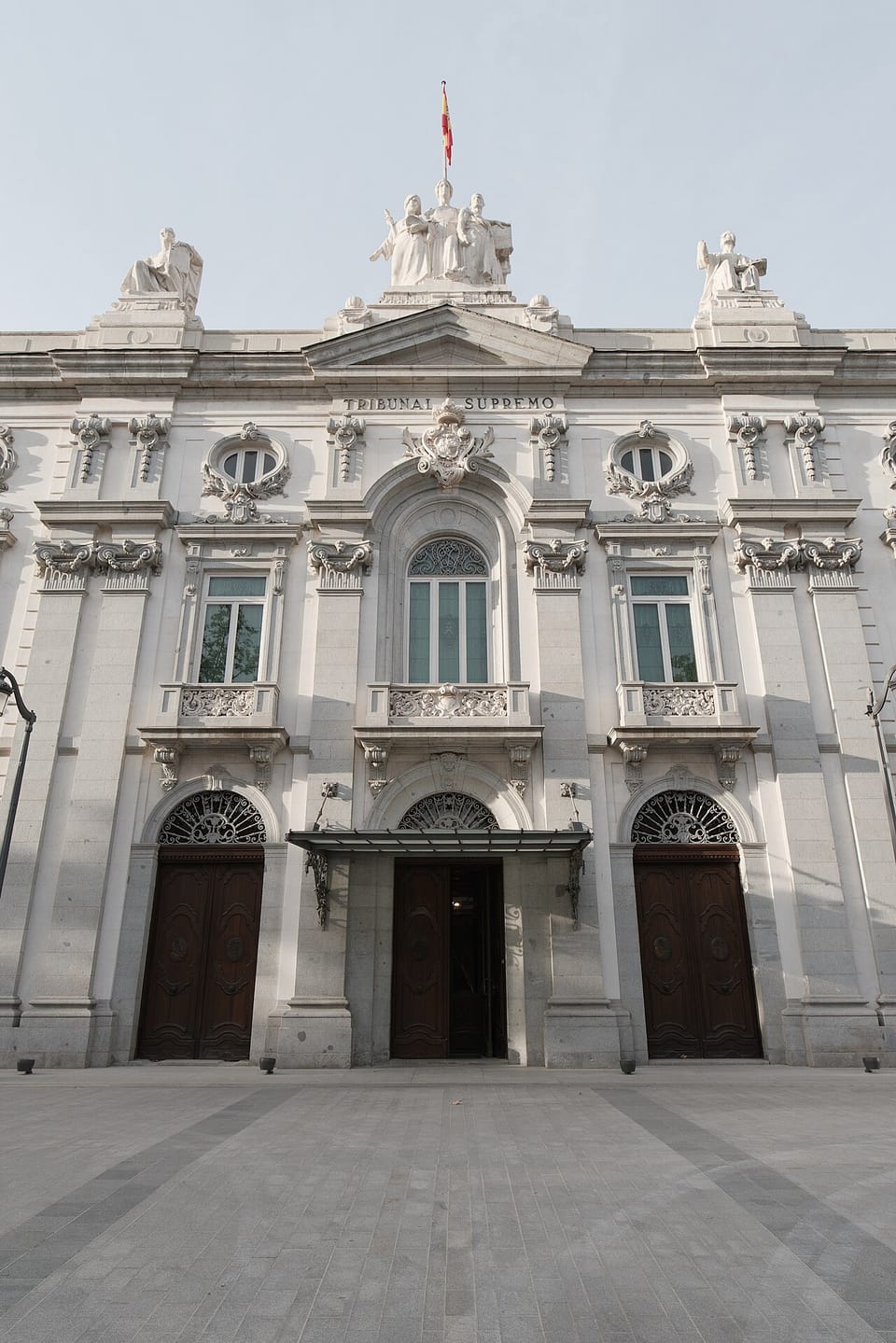
Barcelona readers following Spain’s corruption cases should note a Supreme Court ruling in Madrid that says internal anti-corruption controls “clearly failed” in the case against former transport minister José Luis Ábalos, Koldo García and businessman Víctor de Aldama.
The court links that failure to a “situation of colonisation of institutions and public companies”. The judgment matters beyond national politics because it sets out, in the court’s own words, why safeguards inside the state did not stop a corruption scheme tied to public contracting.
According to the Supreme Court’s official press note and the ruling published by the court and reflected in the BOE, Ábalos was sentenced to 24 years and 3 months in prison for leading a criminal organisation tied to the masks procurement case. The official ruling is the primary legal source for the conviction and the court’s reasoning.
“La lucha contra la corrupción y la delincuencia organizada, como preocupación esencial de todo Estado democrático y de derecho, debe articularse, en primer lugar, a través de la activación de los mecanismos de control de la propia Administración.”
In plain terms, the judges say the first line of defence against corruption should be the administration’s own oversight systems. The same ruling says those controls failed and ties that failure to the “colonisation” of institutions and public companies.
“Controles que, a todas luces, fracasaron en nuestro caso; lo que, por otro lado, bien parece obedecer a esa situación de colonización de las instituciones y empresas públicas.”
The court also describes the offences as an attack not only on public money and official duties, but on the democratic system itself. It says the acts were “sumamente graves” and that they “atacan la misma legitimidad del sistema democrático” because they were committed through a criminal organisation.
For Barcelona readers, the practical point is clear. The ruling says the administration’s own checks did not prevent criminal conduct, while Transparency International’s recent data shows Spain has lost ground in perceived corruption over the past two years. For related coverage, see our Community page and Sport page.
Anyone who wants to verify the legal findings can look up Supreme Court judgment 418/2026 and the BOE resolution referenced in this article. The source material provided for this article does not establish any pending appeal against the decision, so any change in legal status should be checked through the court and BOE publications rather than political statements.