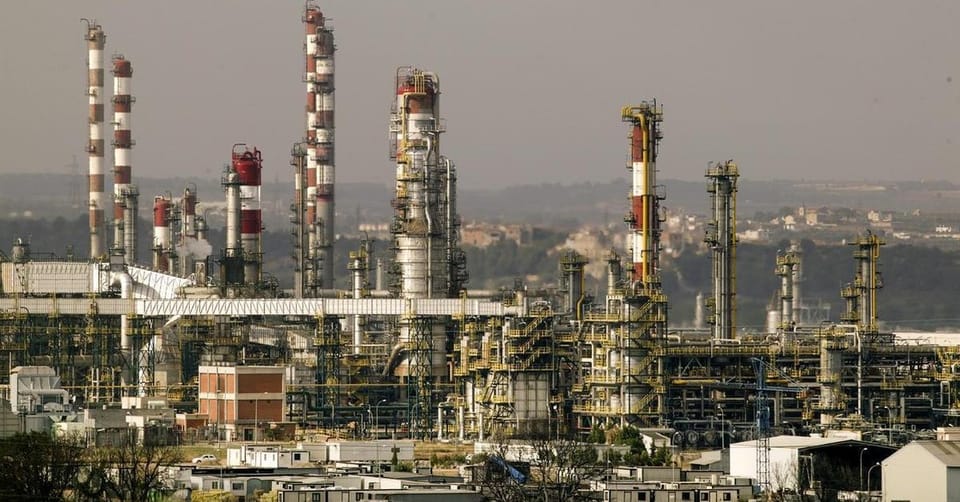
Spain's domestic oil refineries, including the significant Repsol facility in Tarragona, are playing a critical role in securing the nation's supply of jet fuel and diesel. This comes as global tensions, particularly in the Strait of Hormuz, raise concerns about the availability of oil derivatives across Europe.
Spain's energy resilience stems from two key factors. Firstly, the country's refineries source 60% of their crude oil from the Americas, including the United States, Brazil, and Mexico. Another 30% arrives from African nations such as Nigeria and Libya. Only 7% of Spain's crude oil imports originate from the Middle East, significantly reducing the impact of potential blockades in the Persian Gulf. For instance, the Tarragona refinery primarily processes crude from Libya, not the Middle East.
Strategic Investment in Refining Capacity
The second crucial factor is Spain's sustained investment in maintaining and updating its refining infrastructure. Many other European countries have closed their refineries over the past 15 years. Repsol Chairman, Antoni Brufau, highlighted this point on Thursday during a general shareholders' meeting. He noted that 35 refineries have ceased operations across Europe in just 15 years.
This strategic approach ensures Spain's capacity to convert crude oil into essential fuels. Crude oil arrives by sea at these refineries. A distillation process then transforms it into various derivatives. Kerosene, the fuel that powers aircraft, is among the most important of these products. It is a major concern for the continent.
Domestic Production Secures Fuel Supply
Spanish refineries produce 80% of the kerosene consumed in Spain, according to sources from the Association of the Fuel Industry in Spain. They also produce 76% of the diesel used within the country's borders. Spain even exports petrol, demonstrating a strong domestic production capability.
From one barrel of oil, Repsol estimates approximately 40% becomes diesel. Kerosene accounts for just over 16%, while petrol makes up 15%. Fuel oil represents 7%, liquefied gases 2%, and other products nearly 20%. This breakdown shows the importance of refining for a diverse range of petroleum products.
Tarragona's Role in Boosting Output
Jesús Sancho, Repsol's Director in Tarragona, confirmed the company's proactive measures. "Right now, at Repsol we are implementing measures to increase the production of diesel and kerosene given the current international context," he stated. Mr Sancho also emphasised the "high degree of conversion" in Repsol's refineries. This allows them to adapt quickly to market demand.
In 2025, Repsol refined 37.3 million tonnes of oil in Spain. This represents over 60% of Spain's total refining output. The Tarragona refinery alone can process up to 9 million tonnes of crude oil in years without scheduled maintenance shutdowns. This volume can yield up to 1.4 million tonnes of kerosene. This amount would allow an aircraft to fly 16,200 times between Barcelona and New York. Additionally, the processed crude can produce up to 4.1 million tonnes of diesel, according to company sources.
This robust domestic refining capacity, particularly at facilities like the Tarragona petrochemical complex, positions Spain strongly. It helps the country navigate potential global energy disruptions. Repsol's ongoing efforts to increase production of key fuels will continue to support Spain's energy independence and keep essential transport sectors operating smoothly.
Sign up for our new entrepreneurs community Bizcelona, now accepting our second wave of applicants.
Originally published by Ara Cat. Read original article.