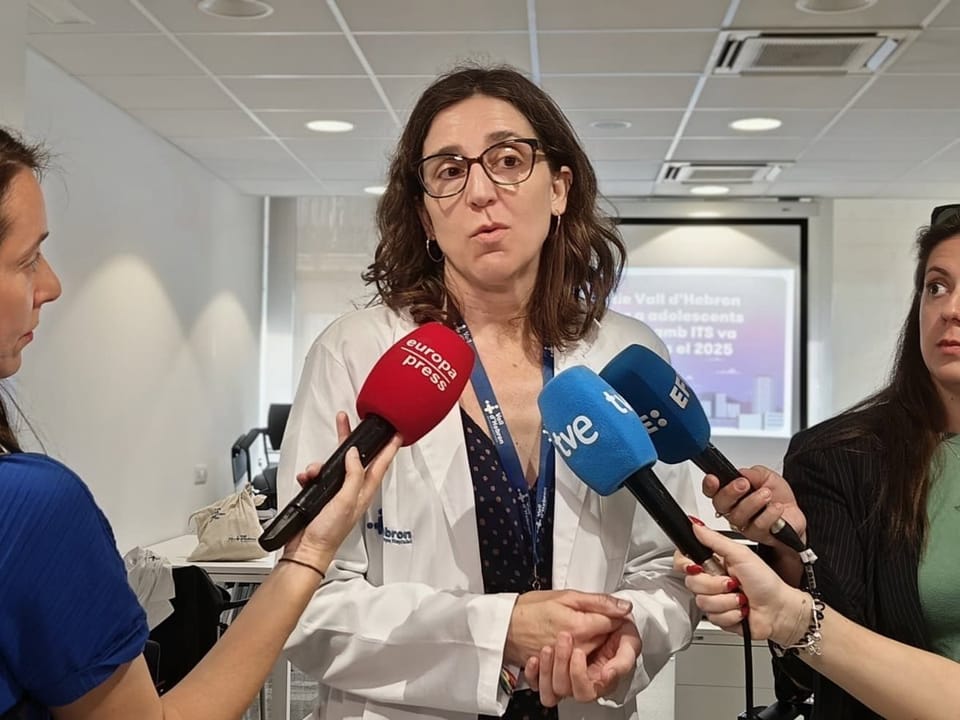
Barcelona's Vall d'Hebron Hospital clinic for adolescent Sexually Transmitted Infections (STIs) treated 41 patients aged 13 to 17 in 2025. This specialised service, located at the Drassanes-Vall d'Hebron International Health and Transmissible Diseases Centre, identified chlamydia and gonorrhoea as the most common infections among young people seeking care. The clinic provides a vital resource for youth sexual health in the city.
Paediatrician Maria Espiau from the Hospital Vall d'Hebron's Paediatric Infectious Pathology and Immunodeficiencies Unit confirmed these findings on Tuesday. She stated that chlamydia and gonorrhoea are the most frequent STIs, "just like in other age groups." Espiau also explained that treatment is "relatively simple and easy to do." For chlamydia, patients typically take oral antibiotics over a week. Gonorrhoea, a bacterial infection, requires a single injectable dose for effective treatment.
The average age of adolescents attending the clinic in 2025 was 16 years. Many patients sought screening for STIs without showing symptoms, accounting for 16 cases. Another nine patients presented with symptoms consistent with an STI, prompting their visit. Other reasons for attendance included contact with infected individuals or experiences of sexual violence. Of the 41 adolescents seen, 22 received an STI diagnosis, highlighting the prevalence of these infections. Some patients had more than one infection. Diagnoses included Neisseria gonorrhoeae in six patients and Chlamydia trachomatis in 12. Additionally, doctors identified two cases of scabies, two of syphilis, one of Trichomonas vaginalis, and one of Molluscum contagiosum. One adolescent patient also started pre-exposure prophylaxis (PrEP), a medication that helps prevent HIV infection but does not protect against other STIs.
Expanding Access to Rapid STI Testing
In 2025, Vall d'Hebron Hospital expanded its Drassanes Exprés programme to include the 13 to 17 age group. This initiative offers rapid STI screening and diagnosis, previously only available to adults. The programme provides test results within three hours, allowing for quick intervention and treatment. Through Drassanes Exprés, doctors detected eight STIs among 23 adolescent users. These included six cases of chlamydia and two of gonorrhoea, demonstrating the programme's effectiveness in early detection. This expansion improves accessibility for young people across Barcelona.
Trends in Adolescent Sexual Health
The incidence of STIs among adolescents has generally increased since the clinic started in 2019, according to Maria Espiau. She attributes this rise partly to the earlier age at which young people begin sexual relationships. However, the last two years have shown a slight decrease in cases, offering a glimmer of hope. Espiau also observed a decline in condom use recently, a concerning trend for public health officials. She stressed the critical importance of using condoms consistently and correctly. Additionally, she highlighted other prevention methods, including vaccines, pre-exposure prophylaxis (PrEP), and routine screenings. These measures are essential for protecting young people's sexual health.
Encouraging Testing and Open Dialogue
Espiau highlighted that many more individuals could benefit from STI testing, especially those who may be asymptomatic. She emphasised the need for contact tracing studies to prevent reinfections within the community. The paediatrician also praised adolescents who attend the clinic with friends or parents, or after discussing their concerns at home. This open communication helps reduce stigma. She encourages more young people to have these important conversations with trusted adults and peers. Early detection and treatment remain key to managing STIs effectively.
Sign up for our new entrepreneurs community Bizcelona, now accepting our second wave of applicants.
Originally published by Europa Press Barcelona. Read original article.