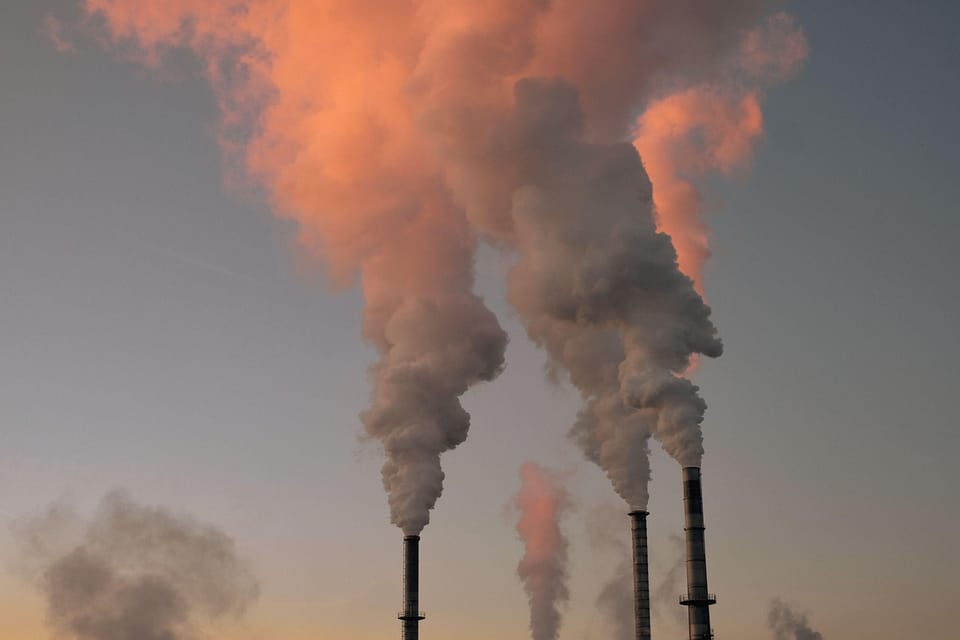
Nearly 60% of Catalonia's population, including residents of Barcelona, breathed air exceeding future European Union pollution limits last year, according to a new report. The study by Ecologistes en Acció highlights Barcelona, the Vallès-Baix Llobregat, and the Vic plain as the areas with the highest concentrations of harmful particulate matter.
The report, titled 'Air Quality in Spain during 2025', found that 4.8 million Catalans, or 58.6% of the population, were exposed to air pollution above the new EU thresholds. These limits, set for 2030, are 20 µg/m³ for PM10 particles and 10 µg/m³ for PM2.5 particles. By contrast, only 2.3% of the population, or 186,684 people, exceeded the current, less stringent legal limits.
Key Pollution Hotspots Identified
The analysis identified Vic as the city with the most days exceeding the current PM10 limit of 50 µg/m³ per day, recording nine such days last year. Current legislation allows a maximum of 35 days annually above this threshold. The Barcelona area and Central Catalonia followed with seven days each, according to Spain Breached EU Air Pollution Limits. Terres de Ponent registered five days, and the Vallès-Baix Llobregat area recorded three days.
Particulate matter, specifically PM10 and PM2.5, is closely linked to road traffic emissions. These microscopic particles pose significant health risks when inhaled, according to Catalonia Air Pollution Exceeds Future EU Limits. The findings show a clear challenge for urban centres across Catalonia to reduce these pollutants.
Rising Ozone Levels Across Catalonia
Ozone, a gas harmful to human health and ecosystems, also presented a significant problem. The Pre-Pyrenees and the Vic plain both exceeded the current annual limit of 25 days with ozone levels above 120 µg/m³. They recorded 36 and 35 days respectively. These figures were double those observed in other regions, such as Central Catalonia, Terres de Ponent, and the Girona counties.
The report additionally noted an alert threshold breach at the Alcover station in Alt Camp. This station recorded an hourly ozone concentration of 241 µg/m³, which was the fourth highest in Spain during 2025. Such high ozone levels can cause respiratory problems and damage vegetation.
Port Emissions and Environmental Demands
The ports of Tarragona and Barcelona also exceeded the daily legal limit for PM10. Current legislation sets this limit at 35 days per year. Tarragona port recorded 75 days above the limit, while Barcelona port registered 70 days. Ecologistes en Acció attributes this situation to cargo and unloading operations, alongside cruise ship activity.
As a result, Ecologistes en Acció demands a reduction in cruise ships arriving in Barcelona. They also oppose any expansion of port infrastructure or airports. These measures aim to mitigate the environmental impact of maritime and air transport.
Broader Regional Pollution Challenges
The report concludes that Catalonia faces two primary zones of high contamination. One is Barcelona and its metropolitan area, extending into the Vallès-Baix Llobregat. This zone suffers from high vehicle intensity, emissions from El Prat airport, maritime transport from the Port of Barcelona, and industrial activity. The second zone is the Camp de Tarragona, primarily affected by its petrochemical complex and port. Addressing these diverse sources of pollution remains a critical task for public health and environmental policy in the coming years.
Sign up for our new entrepreneurs community Bizcelona, now accepting our second wave of applicants.
Originally published by Ara Cat. Read original article.