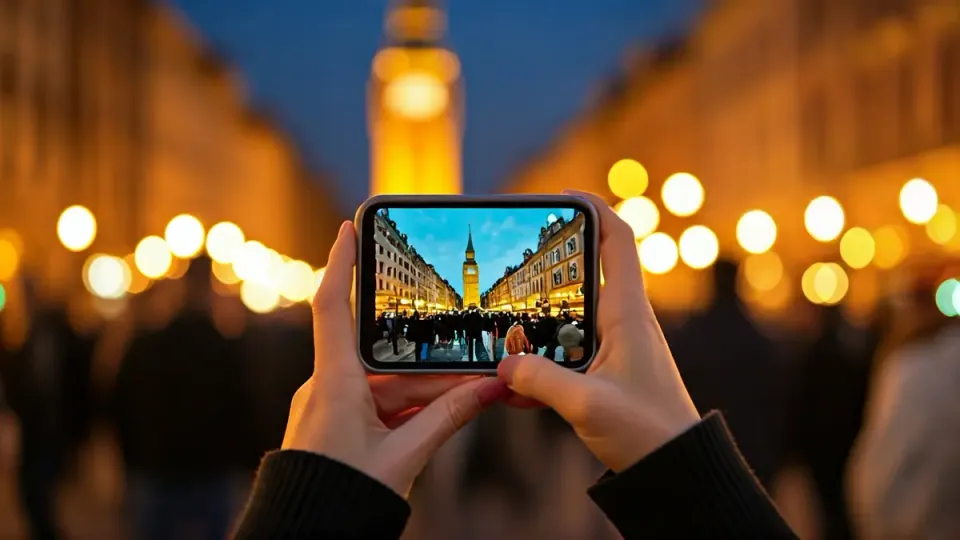
A recent debate at the Centre of Contemporary Culture of Barcelona (CCCB) explored the evolving tourism model. It highlighted a shift from traditional travellers to “fast look” visitors. This transformation, characterised by quick photo opportunities, challenges Barcelona’s urban fabric and residents’ daily lives.
The Rise of ‘Fast Look’ Tourism
The discussion, featuring expert José Antonio Donaire, focused on how this new trend impacts the city. Donaire stated, “Tourism is a desire for new horizons. For a long time, tourism was seen positively. It now emerges as a defeat for the city.”
He emphasised the need for citizens to feel ownership of their urban environment. Donaire added, “Tourism will always exist in the city. Our job is to harmonise it with the lives of its residents.”
Harmonising Tourism with Resident Life
Barcelona is home to 1.6 million residents. It attracts millions of tourists annually. The city has long grappled with the effects of mass tourism. This impact is particularly noticeable in popular areas like the Gothic Quarter and the Eixample district.
The “fast look” phenomenon adds another layer of complexity. It features brief visits focused on iconic landmarks for social media content. This trend often leads to overcrowding and a perceived commodification of public spaces.
Barcelona’s Ongoing Tourism Challenge
The city council frequently implements measures to manage tourist flow. These efforts aim to mitigate its impact on local life. They also balance the economic benefits of tourism. The city must balance this with the well-being and quality of life for residents.
Addressing this evolving tourism landscape requires ongoing dialogue and policy adjustments. City officials and urban planners continue to seek strategies. These strategies ensure a sustainable future for Barcelona’s tourism sector.
Come and join our Barcelona English Speakers community on WhatsApp.
Originally published by Diari Catalunya. Read original article.