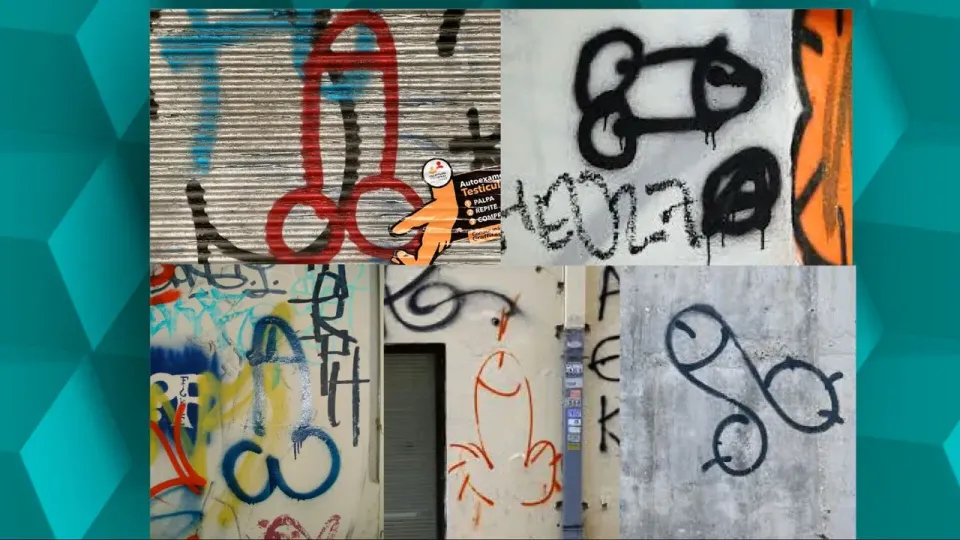
The Erotic Museum of Barcelona is challenging long-standing cultural taboos surrounding the representation of the penis, highlighting its consistent presence in art and human expression across millennia. This initiative aims to foster a more open dialogue about human sexuality and its historical depiction.
Historical Depictions and Evolving Perceptions
Humans have depicted the penis for at least 6,000 years before Christ, a pattern evident from prehistoric cave walls to famous artworks and even modern-day graffiti. Despite its pervasive presence, viewing external genitals often evokes a sense of modesty. This occurs even with iconic sculptures like Michelangelo’s David, prompting questions about socially acceptable viewing times. Sigrid Cerveza, a sexologist at the Erotic Museum of Barcelona, explains this historical shift in perception. She notes, “In classical Greek sculptures, one can also see penises, and moreover, not of exaggerated sizes. Large sizes were seen as uncivilised.” This perspective forms the origin of classical phallocracy, a concept that now carries a vastly different meaning in contemporary society.
From Sacred Symbol to Modern Taboo
Cerveza adds, “We moved from a ritual or sacred phallus to a sinful phallus.” This transition reflects a profound change in cultural attitudes towards sexuality. Historically, the phallus held significant ritualistic and sacred meanings in many ancient civilisations. However, modern Western cultures often associate its public display with transgression. Showing a penis intentionally challenges a cultural taboo that dictates keeping sexuality hidden. The Erotic Museum of Barcelona, located in the city’s vibrant Gothic Quarter, actively engages with these complex themes. It provides a platform for exploring the evolution of sexual representation.
Challenging Cultural Modesty
Exhibitions at the museum directly challenge this authority and the prevailing sense of prudishness. They remind visitors that genital representations have always existed across cultures, in all formats, and throughout all epochs. The only constant change has been “the meanings that we have projected” onto them. The museum emphasises the critical importance of educational contextualisation in understanding these evolving perceptions. It seeks to demystify the human body and its artistic representations. This approach encourages a more informed and less inhibited understanding of our shared cultural history.
The Erotic Museum of Barcelona continues to advocate for open dialogue about human sexuality and its artistic expression. It aims to break down barriers to discussing topics that remain largely unspoken in everyday conversation. The museum’s work encourages a broader appreciation for the diverse ways humanity has represented and understood the penis throughout history.
Sign up for our new entrepreneurs community Bizcelona, now accepting our second wave of applicants.
Originally published by La Sexta Barcelona. Read original article.