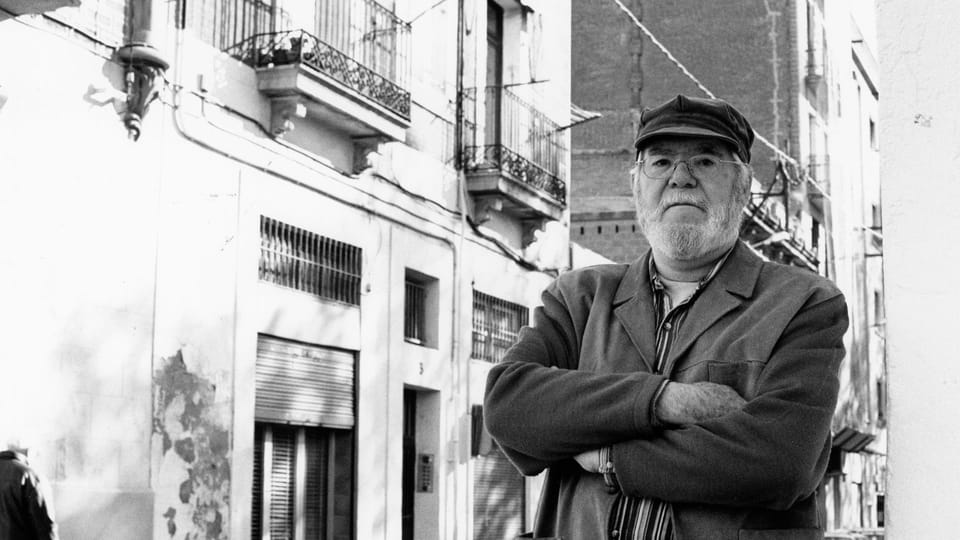
A new initiative seeks to rescue the forgotten works of Barcelona post-war writer Antonio Rabinad, whose novels vividly captured life in El Clot and other city districts.
The 'Centenari d’Antonio Rabinad' campaign, launched by his family and followers, aims to reintroduce his literary contributions ahead of his birth centenary in 2027. Rabinad, born in the El Clot district, lived through the Spanish Civil War and its aftermath. These experiences became the raw material for his early novels, such as El niño asombrado (The Astonished Child) and Contactos furtivos (Furtive Contacts). El Clot, a historic working-class neighbourhood in the Sant Martí district, is home to over 30,000 residents.
Vicky Rico, spokesperson for the Centenari d’Antonio Rabinad, explained, "Memory is a theme very present throughout his literature, not only personal memory but also social memory." Rabinad was an introverted individual, sharing his life primarily through his books. His son, David Rabinad Vall, stated, "He was a generation that never spoke about personal things, according to film Libertarias. I know more about his life by reading his work than because he told me directly."
Reviving a Post-War Voice
Rabinad was a contemporary of the 'Generación de los 50' (Generation of '50) and had strong ties to the 'Escola de Barcelona' (Barcelona School). He pioneered the 'social realism' movement alongside authors like Paco Candelo and Ana María Matute, a style later adopted by Juan Marsé. Despite achieving some recognition during his lifetime, Rabinad remains largely unknown today.
Few people also know that Rabinad wrote the screenplay for the film Libertarias, directed by his friend Vicente Aranda. Ana Belén and Ariadna Gil starred in the movie. This work later became a novel titled La monja libertaria (The Libertarian Nun).
Currently, almost all of Antonio Rabinad’s novels are out of print. Readers can only find them in second-hand markets or libraries. The most recent edition of Los contactos furtivos is an exception, available in some bookshops. This edition includes notes from the Francoist censorship.
Censorship and Obscurity
Chema Falconetti, responsible for this edition, highlighted an example of censorship. "The notes are almost amusing now," Falconetti said. "For example, one character does not kneel when a procession passes," he explained. Considering the time it was written, this gains much strength in the novel. The censors understood this clearly and rejected it.
Barcelona Through Rabinad's Eyes
The Centenari d’Antonio Rabinad initiative actively seeks publishers willing to re-edit his books. They are also preparing various activities to promote his work. Beyond El Clot, the campaign champions Rabinad's broader connection to Barcelona. Vicky Rico added, "The city of Barcelona can be read through the pages of Antonio Rabinad’s books." He spoke about El Clot, but also about other districts, creating a vital journey for his characters and the city. She believes his work offers "a good way to approach the city with different eyes," providing a unique historical lens for both residents and visitors.
Sign up for our new entrepreneurs community Bizcelona, now accepting our second wave of applicants.
Originally published by betevé. Read original article.