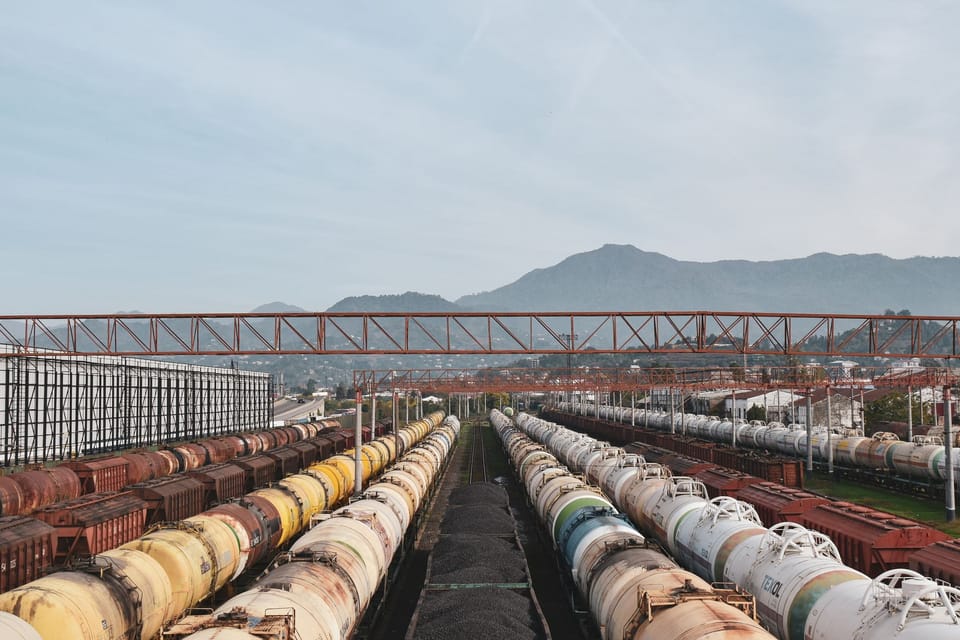
Barcelona is at the centre of a new warning from Ferrmed, which said on Monday 29 June that the Mediterranean Corridor could overload rail capacity in south Catalonia unless the network is upgraded. The group says the pressure would be felt around Barcelona and Tarragona, where passenger and freight traffic already share busy lines.
Ferrmed is calling for three main measures: duplicating rail infrastructure in southern Catalonia, adapting Catalan tracks to international gauge, and building around 10 freight terminals across the territory. The warning was reported by El Periódico Barcelona and matches Ferrmed's long-standing position on freight capacity and cross-border rail standards.
International gauge is the standard track width used across most of Europe, which helps trains move more easily across borders without technical changes. The Mediterranean Corridor is part of the European Union's TEN-T transport network, designed to connect ports, industrial areas and logistics routes along the Mediterranean axis. For background on how rail projects affect the city, see our Community coverage and Sport updates, where transport disruption often affects match-day travel too.
Ferrmed's proposal is about capacity. Its argument is that bringing the corridor into fuller operation without extra tracks and terminals would push too many freight movements onto a network that already carries dense passenger traffic in and around Barcelona and Tarragona.
- Duplicate rail infrastructure in southern Catalonia, especially on routes linked to Barcelona and Tarragona.
- Adapt all rail tracks in Catalonia to international gauge.
- Build about 10 railway freight terminals across Catalonia.
Those proposals remain Ferrmed's plan, not a confirmed public works programme. No formal commitment by the relevant authorities is set out in the source material provided. Readers can also check the official EU transport pages on the corridor, including the TEN-T network and the European Commission's Mediterranean Corridor page.
The pressure point identified in the reporting is the southern part of Catalonia, where freight traffic linked to ports, industry and onward European connections converges with local and regional passenger services. That matters directly for commuters using rail in the Barcelona and Tarragona areas, because mixed-use lines have limited room for extra trains unless capacity is added.
The immediate development is Ferrmed's warning, issued in reporting published on Monday 29 June, not an announced construction timetable. Readers who want to track how BARNA handles source use and verification can consult our Source Transparency and Editorial Policy pages.