In Barcelona, a judge has refused an immediate second eviction from a public flat in La Mina, Sant Adrià de Besòs, after a 21-year-old mother returned to the property hours after being removed and the court found she had shown she lacked alternative housing.
The ruling affects one of the public homes caught up in an ongoing eviction process in La Mina. For Barcelona readers, it shows the clearance of occupied public housing in the neighbourhood is still being handled case by case, with courts weighing vulnerability and whether a realistic housing alternative exists.
According to the official account from the Ajuntament de Sant Adrià de Besòs, evictions and rehousing measures are under way in La Mina as part of the management of public housing in the area. The homes belong to the Consorci del Barri de la Mina, a public body made up of the Catalan government, Barcelona Provincial Council, and the councils of Barcelona and Sant Adrià de Besòs.
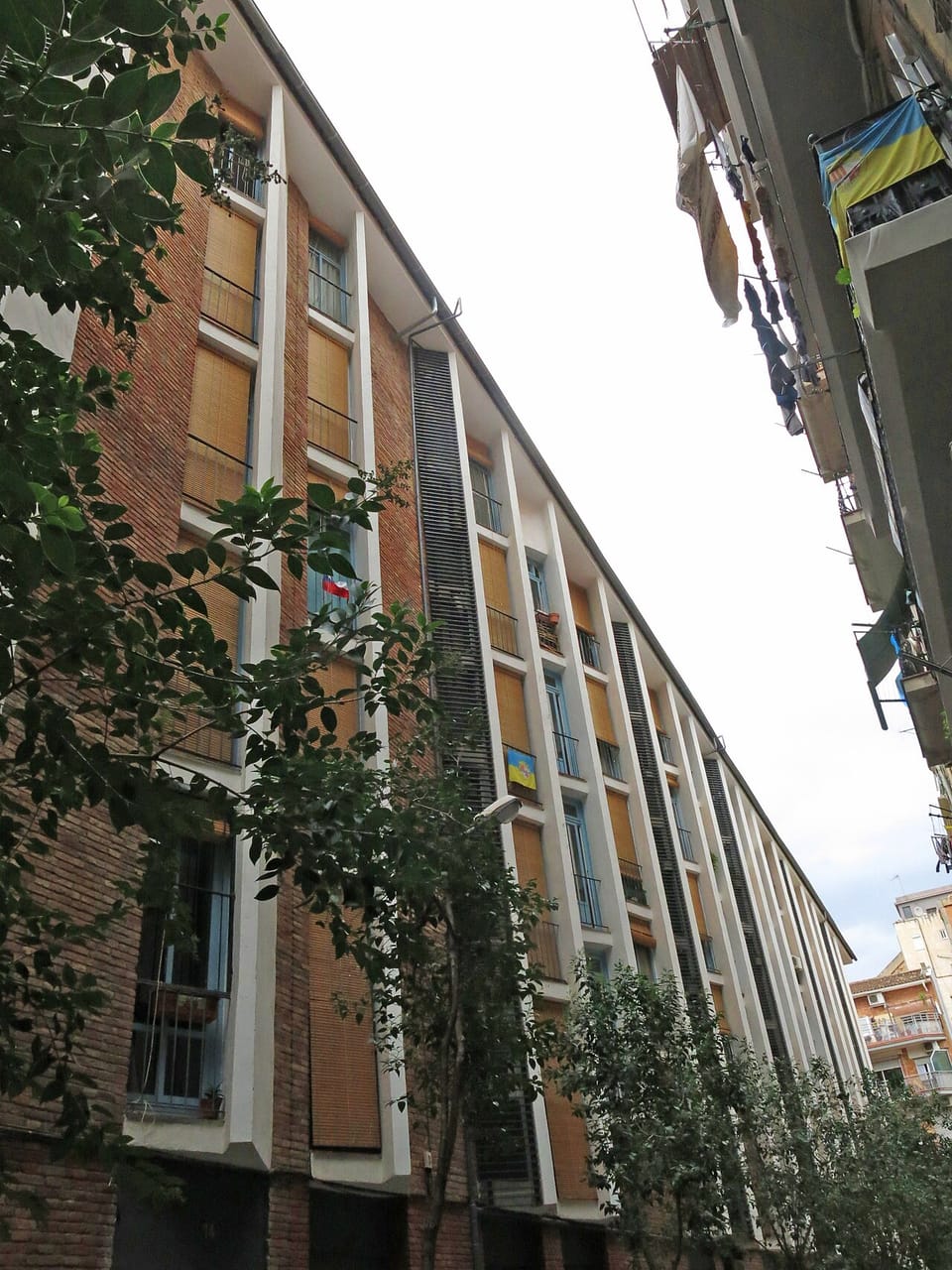
In recent days, authorities cleared three flats last week and a further seven this week, including three on Thursday morning, all in the same building on Rambla de la Mina. Two of the three families removed last week later re-entered the homes, prompting complaints from the Consorci. The source material also says 58 public flats in La Mina have been occupied since 2017.
The court refused the fast-track removal in one case after finding the occupant had shown she had no other place to be rehoused. Spain’s Constitutional Court has ruled in decisions including Sentencia 113/2021 and Sentencia 126/2024 that courts must weigh the circumstances of vulnerable occupants and the availability of a housing alternative before carrying out forced removals in some cases.
La Mina residents have been living for years with the effects of the long-running dispute over public housing, occupation, demolition and rehousing. The Consorci’s Plan Venus forms part of the wider redevelopment and rehousing strategy in the neighbourhood. For more Barcelona coverage, see our Community tag page.