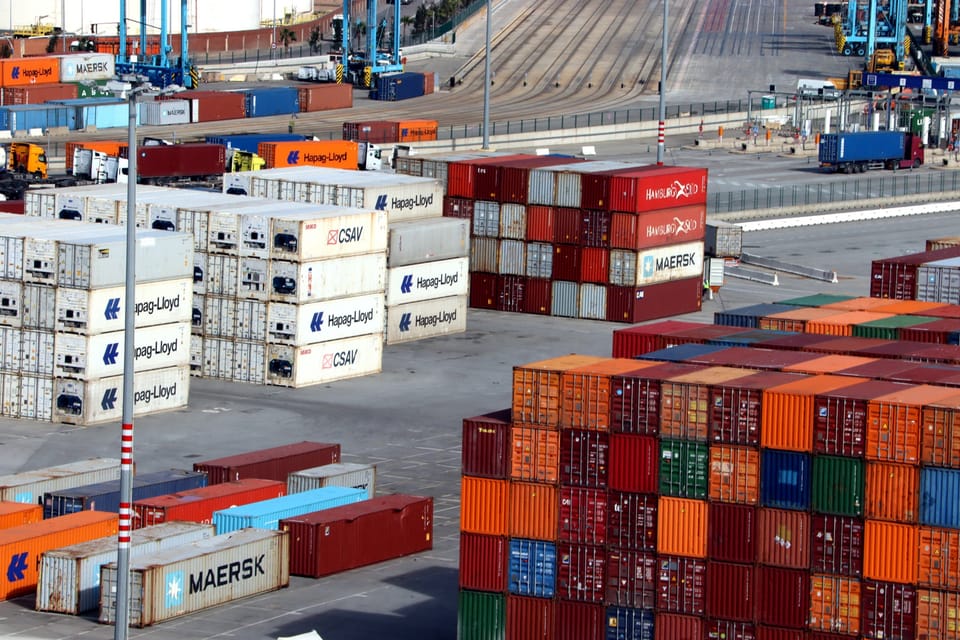
The Port of Barcelona has unveiled its most ambitious strategic plan to date, committing to its largest ever investment cycle for the 2026-2030 period. This comprehensive roadmap outlines over 100 specific actions, primarily focused on infrastructure improvements and a significant transition towards green energy.
Port President José Alberto Carbonell stated the plan aims to adapt to "unforeseen situations of the last five years, which had never occurred in the port and maritime sector." He highlighted disruptions from the pandemic, the closure of the Strait of Hormuz, and the US-China trade war. "We must be capable of facing all these situations," Mr Carbonell asserted, emphasising the need for increased resilience.
Strategic Director Jordi Torrent noted this 2026-2030 plan is the first to integrate commercial activity, the Logistics Activities Zone (ZAL), and Port Vell into its medium-term objectives. These areas are crucial for the Port's diverse operations, from cargo handling to leisure and urban integration.
While the plan does not specify a fixed total investment figure, Mr Carbonell detailed expectations to maintain the pace of new works tenders initiated in 2025. This saw projects valued at €300 million activated in a single year. This estimated annual expenditure significantly exceeds the Port's cash generation capacity, which stood at €114 million during the same period.
Consequently, the Port will finance a substantial portion of these new investments through debt issuance. The Port of Barcelona currently holds zero net liabilities, meaning it possesses more cash than active debt. This favourable financial position allows it to access external funding effectively.
However, the President stressed the importance of various tools to improve short-term cash flow. This strategy aims to enable the Port to cover a significant part of upcoming expenses with its own resources.
Major Infrastructure Upgrades Planned
Among the key projects planned for the coming years is the reorganisation of the southern area of the port. This includes the construction of the Jaume I and Catalunya docks and the expansion of the Adossat dock. These developments will enhance the Port's capacity to handle larger vessels and increased cargo volumes.
The plan also incorporates new railway reception lines along the Llobregat riverbed, a vital industrial area. Additionally, a dedicated railway highway terminal and an intermodal port terminal are included. These railway improvements aim to boost efficiency and reduce road congestion for cargo transport.
Mr Torrent also highlighted plans to expand capacity across multiple business segments. These include roll-on/roll-off (ro-ro) services and increased mooring capacity for specialised liquid bulk vessels, such as those handling oil or liquefied natural gas. Beyond the immediate port area, the authority will undertake improvements and expansions at railway terminals where it holds shares. These include facilities in La Llagosta, Perpignan, and Zaragoza, extending the Port's logistical reach.
Boosting Green Energy and Resilience
In addition to infrastructure investments, the Port will allocate resources to enhance its energy generation capacity. This involves installing solar panel parks on various rooftops within the port complex. These initiatives align with the broader goal of transitioning towards more sustainable operations and reducing the Port's carbon footprint.
When asked about the logistical disruptions caused by the conflict in Iran and the subsequent closure of the Strait of Hormuz, Mr Torrent downplayed the overall impact. He stated that traffic, both oil and general merchandise, originating from the affected zones represents "a very small" proportion, between 2% and 3% of the Port of Barcelona's total activity. However, he acknowledged that "specific sectors do suffer," particularly those with extensive commercial ties to the Middle East.
Adapting to Global Challenges
President Carbonell also expressed regret over disruptions caused by the African swine fever crisis. He noted its impact on the "high value-added" pork meat sector. These global challenges underscore the Port's strategic shift towards greater resilience and adaptability in its operations.
The Port of Barcelona, a vital economic engine for Catalonia, handles millions of tonnes of cargo and passengers annually. Its strategic plan directly impacts the region's trade, logistics, and environmental goals. The planned investments aim to secure its competitive position as a major Mediterranean hub.
The implementation of these projects will unfold over the next decade, with the Port actively seeking external financing to complement its own resources. This significant investment cycle is expected to strengthen Barcelona's role in global trade and logistics, while also advancing its environmental commitments for a more sustainable future.
Come and join our Barcelona English Speakers community on WhatsApp.
Originally published by Tot Barcelona. Read original article.